

Pine trees are the unsung heroes of landscaping, standing tall and proud while adding character to any yard. With their evergreen charm and diverse shapes, they’re like the Swiss Army knives of the plant world—perfect for creating a cozy retreat or a majestic backdrop. Who wouldn’t want a tree that’s not just a pretty face but also a year-round air purifier?
Types of Pine Trees for Landscaping
Various types of pine trees excel in landscaping, each offering unique characteristics for design.
Eastern White Pine (Pinus strobus) features long, soft needles and can reach heights of up to 80 feet. This tree works well as a privacy screen or windbreak, making it ideal for large yards.
Scotch Pine (Pinus sylvestris) boasts a distinctive orange-brown bark and can reach up to 60 feet tall. This adaptable species tolerates various soil types and enhances garden aesthetics with its irregular form.
Loblolly Pine (Pinus taeda) grows rapidly and reaches heights of 60 to 100 feet. It thrives in moist areas and provides shade, making it a great choice for larger landscapes.
Mugo Pine (Pinus mugo) is a compact option, typically growing to 3 to 20 feet tall. Due to its dense branches and low growth habit, it suits smaller gardens, serving as an excellent ground cover.
Ponderosa Pine (Pinus ponderosa) can achieve heights of 60 to 200 feet and is appreciated for its long, straight trunk. It adds grandeur to park-like settings, demanding ample space for growth.
Sugar Pine (Pinus lambertiana) holds the title for the tallest pine tree species, reaching up to 250 feet. It features long, slender needles and is perfect for adding vertical interest to expansive properties.
Whitebark Pine (Pinus albicaulis) thrives in mountainous regions and showcases a unique shrubby form that enhances rocky landscapes. Its ability to withstand harsh conditions makes it a resilient choice for challenging environments.
Choosing the right type of pine tree contributes significantly to the overall landscaping plan. Given their varied forms and environmental needs, selecting the appropriate species aligns better with specific site conditions and aesthetic goals.
Characteristics of Pine Trees
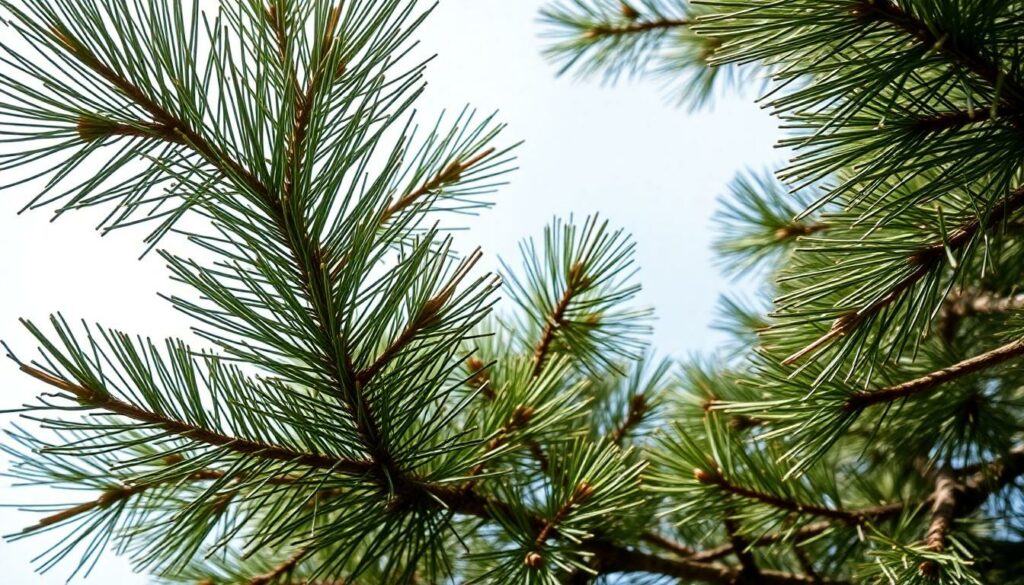
Pine trees possess distinct features that contribute to their popularity in landscaping. Their unique needle structures and growth habits play significant roles in their aesthetic and functional appeal.
Needle Structure
Needles vary considerably among pine tree species. Eastern White Pine showcases long, soft needles grouped in clusters of five. Scotch Pine features twisted, shorter needles that offer a unique texture. Mugo Pine has dark green, stiff needles grouped in pairs, making it ideal for compact gardens. In contrast, Loblolly Pine boasts long, flexible needles, providing a lush appearance. The needle structure impacts both visual appeal and the tree’s ability to withstand different environmental conditions.
Growth Habit
Growth habits differ significantly across pine tree varieties. Eastern White Pine grows tall and straight, reaching heights of up to 80 feet, perfect for creating vertical interest. Scotch Pine develops a more irregular shape, making it a striking focal point in landscapes. The compact Mugo Pine stays low to the ground, reaching about 3 to 4 feet, suitable for smaller spaces. Loblolly Pine exhibits rapid growth and can reach over 100 feet, serving as an effective shade tree. Each tree’s growth habit influences its use in various landscaping scenarios.
Popular Pine Trees for Landscaping
Various pine trees contribute significantly to landscaping aesthetics and functionality. Each type offers unique benefits suited to different environments.
Eastern White Pine
Eastern White Pine is recognized for its tall, straight growth and soft, long needles. This species thrives in well-drained, acidic soils and reaches heights up to 80 feet. Ideal for creating privacy screens, it adds structure and vertical interest to landscapes. Its graceful appearance complements traditional and modern designs alike. Environmental benefits include serving as a habitat for wildlife and enhancing air quality.
Scots Pine
Scots Pine stands out with its irregular, often picturesque form. This tree features twists and turns in its trunk, displaying rugged charm. Preferred for both reforestation and landscaping, it grows to about 60 feet and adapts well to various soil types. Landscaping designs often incorporate Scots Pine for windbreaks or casual settings due to its inviting look. The tree provides valuable pine nuts that support local wildlife, further enhancing its appeal.
Loblolly Pine
Loblolly Pine is favored for its rapid growth, reaching heights of 100 feet in optimal conditions. Commonly used in larger landscapes, this species creates ample shade and adds considerable greenery. It thrives in wetter soils, making it an excellent choice for low-lying areas. Its sturdy structure withstands storms and elements, providing resilience in changing climates. Loblolly Pine also supports diverse ecosystems, making it a responsible landscaping choice.
Unique Uses of Pine Trees in Landscaping
Pine trees play a crucial role in enhancing outdoor spaces, serving a variety of functions beyond aesthetics. Their versatility adds value to any landscape design.
Privacy Screens
Eastern White Pines are excellent for creating privacy screens. Their tall, upright growth promotes dense foliage, forming an effective barrier against neighboring properties. In addition, the Scotch Pine offers a unique option with its irregular form, which provides both seclusion and visual interest. These trees thrive in various soil conditions, making them adaptable for different landscapes. Achieving privacy in residential areas becomes effortless when incorporating these pine species.
Shade Providers
Loblolly Pines excel in providing shade due to their rapid growth and expansive canopy. They thrive in wet soils, making them ideal for areas with higher moisture levels. Similarly, Eastern White Pines create a cooler environment under their tall and graceful branches. Their soft needles contribute to a serene atmosphere. Larger properties benefit from these shade providers, creating comfortable outdoor spaces for relaxation or entertainment. Choosing the right pine species not only enhances comfort but also adds beauty to the landscape.
Maintenance Tips for Pine Trees
Pine trees require specific care to thrive in landscaping settings. Regular watering helps maintain moist soil, especially during dry spells. Fertilize these trees annually using a balanced fertilizer to promote healthy growth. Pruning enhances airflow and removes dead branches, improving overall structure.
Monitor for pests and diseases, as pine trees can be susceptible to certain issues. Inspect tree trunks and needles regularly for signs of infestation. Applying an appropriate pesticide early can prevent serious problems from developing.
Mulching around the base of the trees provides several benefits. It retains moisture, suppresses weeds, and regulates soil temperature. Use organic materials, such as wood chips, to improve soil quality as they decompose.
During winter months, protect young pine trees from harsh conditions. Wrapping trunks with burlap shields them from heavy snow and ice damage. Additionally, keeping the surrounding area clear of heavy snow reduces stress on the branches.
Be aware of soil conditions when planting. Well-drained, acidic soils support optimal growth for many pine species. In areas with poor drainage, raised beds or planting mounds can improve water flow and promote healthy root systems.
Regular inspection and immediate action can prevent minor issues from escalating. Establishing a maintenance schedule helps ensure consistent care. Using these strategies encourages long-term health and beauty of pine trees in any landscape.
Pine trees offer a remarkable blend of beauty and functionality that enhances any landscape. Their diverse species cater to various needs from providing privacy to adding shade and visual interest. By selecting the right type of pine tree, homeowners can create inviting outdoor spaces that thrive year-round.
Proper care and maintenance ensure these trees remain healthy and vibrant, contributing to the overall aesthetic and ecological balance of the environment. With their evergreen presence and unique characteristics, pine trees stand as a testament to the value of thoughtful landscaping choices. Embracing these trees can transform any yard into a serene and stunning retreat.