
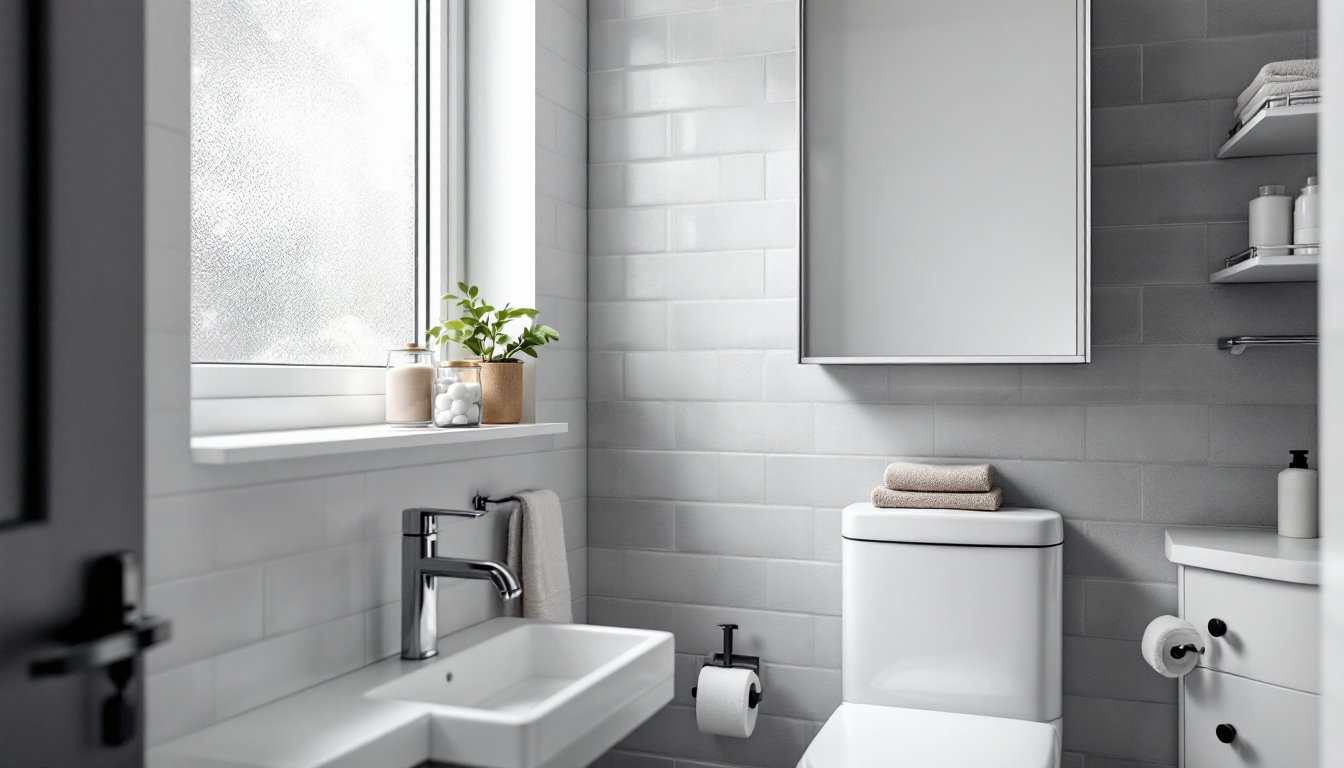
Bathroom clutter sneaks up fast. Towels pile up, bottles multiply, and suddenly you’re squeezing past a stack of half-empty containers just to reach the sink. The difference between a chaotic bathroom and a functional one often comes down to one thing: smart storage. Whether you’re working with a tiny powder room or a sprawling master bath, the right cabinet strategy can reclaim precious inches and make your daily routine smoother. We’ve put together seven practical bathroom storage cabinet ideas that solve real space problems without requiring a major renovation.
Table of Contents
ToggleKey Takeaways
- Over-the-toilet and under-sink storage cabinets are the fastest, highest-impact bathroom storage solutions that require minimal installation effort.
- Wall-mounted cabinets maximize small bathroom spaces by saving floor room and must be anchored securely to studs or heavy-duty toggle bolts rated for 25+ pounds.
- Corner storage solutions, including wall-mounted cabinets and rotating lazy susans, transform unused spaces into functional storage without eating into your floor plan.
- Open shelving and floating shelves work best when items are organized in matching containers and baskets to maintain a clean, magazine-quality appearance.
- Bathroom storage cabinet ideas should prioritize frequently used items in front zones for easy access while reserving deep areas for backup supplies and keeping chemicals safely locked away.
- A well-organized bathroom with smart storage strategies reduces morning frustration, saves time, and transforms daily routines by reclaiming precious inches of space.
Over-The-Toilet Storage Cabinets
The space above your toilet is prime real estate that most bathrooms leave empty. An over-the-toilet cabinet is one of the quickest wins you can install, often requiring nothing more than a drill and a level.
These units come in two basic styles: freestanding frames that sit behind the toilet, or wall-mounted cabinets that bolt directly to studs. Freestanding models are rental-friendly and rearrangeable, but wall-mounted versions give you more stability and a cleaner look.
Measure your wall from the toilet tank to the wall behind it, you’ll typically have 8 to 12 inches of usable depth. Height matters too: aim for units that don’t block your sightline when you’re washing hands, usually 24 to 30 inches tall. Use wood shims to keep the unit level: even a slight tilt makes doors hang crooked.
Fill the cabinet with items you don’t grab daily, extra toilet paper rolls, cleaning supplies, guest towels, or medications in a child-proof container. Avoid heavy items: these cabinets carry less load than vanities.
Wall-Mounted Bathroom Cabinets
Wall-mounted cabinets give you storage without eating floor space, making them essential for small bathrooms. They also let you position shelves at whatever height suits your needs.
Before you hang anything, locate your studs with a stud finder. Wall cabinets must be anchored to studs or heavy-duty toggle bolts to safely support weight. Studs are typically 16 inches apart: most bathroom cabinets span two or three studs. Use lag bolts rated for your cabinet’s weight, a good rule of thumb is 25 pounds per bolt for typical studs.
Consider mounting height: cabinets above the toilet or side walls can sit lower (12 to 18 inches from the floor), while units around the vanity should allow clearance for your daily wash-up. Leave at least 18 inches of counter space free.
Mirror-front cabinets double as functional décor and have become standard in most surface-mount mirrored medicine cabinets. Open shelving above the toilet works too if you’re willing to keep items tidy and dusted, baskets or small bins help maintain order.
Corner Storage Solutions
Corners are awkward spaces that often go unused. A corner cabinet or shelf system transforms that dead zone into functional storage.
Two main approaches: wall-mounted corner cabinets (bolted at two perpendicular studs) or freestanding corner shelving that tucks neatly into the angle. Wall-mounted units are more stable and give a finished look. Measure both walls from the corner outward to ensure your cabinet fits.
Narrow corner shelves work well for small items, travel bottles, hair products, or decorative containers. If you’re handy with carpentry, a simple three-shelf unit built from 1×8 lumber and lag bolts gives you a custom fit and costs far less than buying finished cabinets.
Rotating lazy susans mounted inside corner cabinets solve the classic problem of items disappearing to the back. Pair this with clear plastic bins so you can see what you’ve stored without reaching. For tight spaces, swing-out shelving (hinged to swing out from the corner) maximizes access without requiring door swing clearance in front.
Under-Sink Vanity Cabinets
Most people leave the space under the sink as a jumbled mess of pipes and spilled product bottles. A simple cabinet insert, drawer, or pull-out organizer transforms it into organized storage.
Start by measuring the rough opening, typical vanities are 30 to 48 inches wide and 20 to 22 inches deep (inside dimensions). Check clearance around the P-trap and hot-water supply line: you’ll need about 6 to 8 inches of headroom above the trap for most organizers.
Pull-out sliding drawers and tiered shelving units let you use vertical space without reaching into the back blindly. Undersink cabinet liners (adhesive-backed waterproof material) protect the wood base from leaks and spills, a worthwhile $15 investment that prevents rot. Keep a small towel underneath items prone to dripping, like the spray bottle under the sink.
Put frequently used items, dish soap, sponges, cleaning rags, in the front zones where they’re easy to grab. Reserve deep back areas for backup supplies or items you use less often. If you have little ones, keep chemicals in a locked cabinet or on an upper shelf entirely out of reach.
Floating Shelves and Open Cabinets
Floating shelves and open storage offer flexibility and visual lightness in tight bathrooms. They work well when you’re intentional about what you display and willing to keep items clean and dust-free.
Mounting floating shelves requires solid anchors: locate studs and use lag bolts, or use heavy-duty toggle anchors rated for 25+ pounds per anchor. Space anchors no more than 16 inches apart to support the shelf and its contents without sagging. Ceramic tile or plaster walls need special anchors: don’t skip this step or your shelf will fail.
Open shelves look best when items are contained in small baskets, bins, or jars. Mismatched bottles and cans create visual clutter fast. Use uniform containers in white, natural wood, or neutral colors to keep the look clean. Rolled towels in a basket or tall glass jars filled with cotton balls give that magazine-quality finish.
Interior design platforms like Homify showcase countless examples of open bathroom shelving done right. The key: fewer items, intentional placement, and regular tidying. Open storage works against you if you’re naturally disorganized, choose closed cabinets instead.
Vertical Medicine Cabinet Storage
A tall, narrow medicine cabinet uses vertical wall space efficiently, perfect for bathrooms where floor space is at a premium. These run from floor-mounted bases to wall-hung units that clear the toilet tank completely.
Wall-hung vertical cabinets are lighter and easier to install than large vanities. A 6 to 9-inch-wide cabinet mounted beside the vanity or in an unused corner gives surprising storage for a small footprint. Mount it 36 to 42 inches from the floor for comfortable access to eye-level shelves.
Inside, use sliding baskets, pull-out drawers, or simple shelves divided with small dividers. Group similar items together: hair care in one zone, skincare in another, first-aid supplies in a dedicated box. Clear plastic drawers let you identify contents without opening.
For medications, a locked cabinet is often wise if children or guests use your bathroom. Real Simple’s home organization guides offer solid strategies for medicine storage that keep items safe, organized, and easy to locate. Medications should be stored in a cool, dry place, bathrooms with high humidity can damage pills, so consider a hallway linen closet as an alternative to bathroom storage for long-term medication supplies.
Conclusion
Smart bathroom storage doesn’t require a full renovation. Start with one high-impact cabinet idea, over-the-toilet units and under-sink organizers deliver the fastest wins for most bathrooms. As you see what works, layer in additional solutions. A well-organized bathroom saves time, reduces morning frustration, and makes your daily routine feel more intentional. Visit home storage cabinet solutions to explore tailored options that match your space and style.