
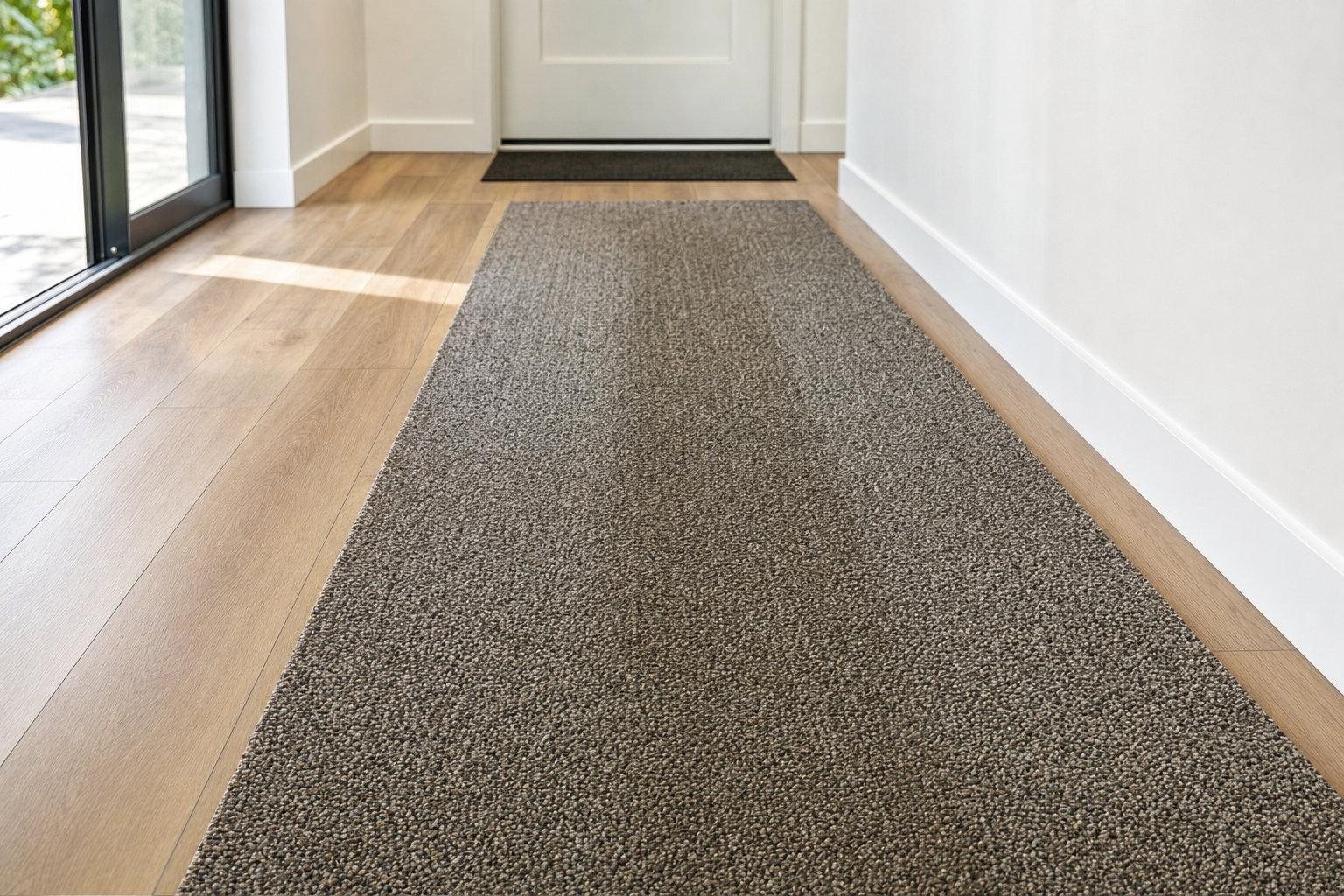
Choosing carpet for high traffic areas requires different priorities than selecting floor coverings for quieter rooms. Durability, easy maintenance, and long-term appearance are key in these busy spaces. Understanding how fibres, construction, and finishes affect performance can help ensure your carpet withstands daily demands.
High traffic areas in your home or workplace experience constant footfall, making them vulnerable to premature wear and visible soiling. These spaces, such as hallways, stairs, and living rooms, are subject to more pressure and need flooring that retains its appearance and withstands daily use. In local supply and fitting contexts such as St Helens Carpets, maintaining longevity in environments exposed to regular passage depends heavily on consistent carpet quality. By knowing what matters most for high traffic carpet, you can balance durability, comfort, and style without frequent costly replacements.
Table of Contents
TogglePinpointing high traffic areas in daily life
Recognising which spaces experience the heaviest use sets the stage for making informed carpet choices. Entryways, landings, hallways, and main rooms connecting different parts of a property all see frequent movement that impacts flooring longevity.
Stairs are particularly challenging due to concentrated force and consistent treading along the same lines. Routes between popular rooms, such as living and dining areas, typically develop visible traffic lanes faster than private zones like bedrooms.
Fibre types and performance under pressure
Different fibre materials react uniquely when placed in high traffic situations. Synthetic fibres such as nylon and polypropylene are known for their crush resistance, helping maintain texture and resilience even with frequent use.
Wool offers a naturally springy structure and recovers well from compression, though it is usually more costly. In high-activity locations, durability means resisting visible flattening, maintaining colour, and allowing marks and soil to be cleaned without lasting stains.
Pile construction, density, and long-term appearance
The style and tightness of a carpet’s pile influence how it ages under constant passage. Twist piles reduce tracking and flattening, while loop piles can mask wear but may snag from pet claws or sharp shoes.
Carpet density and weight are critical: a denser construction means fibres are packed closely together, helping resist matting even if the carpet is not especially thick. Choices with higher density often uphold appearance better than those with just a deep, loose pile.
You will also notice that detailed specification sheets frequently list both face weight and pile density, but density often matters more for high traffic durability. This can vary by material and construction, so it is typically one factor among several when comparing options.
Colour strategies, finishes, and ongoing maintenance
Carpet colour and pattern selection influence how well the flooring hides everyday soil and wear. Mid-tone shades, blends, and flecked patterns help disguise dirt between cleanings, while solid pale or dark hues typically show more marks and traffic lanes over time.
Modern stain protection finishes can add an extra layer of defence, causing spills to bead on the surface and allowing for easier blotting. However, these treatments have limits, especially with recurring heavy soiling or delayed cleaning.
Maintaining high traffic carpet means vacuuming frequently to remove abrasive grit, using entryway mats to trap debris, and targeting spots quickly. Planning for professional cleaning at regular intervals also helps preserve both appearance and hygiene over time.
Underlay, safety, and practical installation points
Underlay supports carpet comfort, noise reduction, and insulation, but in high traffic areas it also contributes to wear resistance. Quality underlay cushions the pile against impact and can extend carpet life, making it an important consideration for halls and stairs.
Safety on stairs is a key consideration where grip and edge stability are essential. Selecting carpets and underlays suited to stair use, and ensuring professional installation to prevent shifting or rucking, helps minimise premature wear and potential accidents.
When balancing durability, comfort, and style for high traffic carpet, use a simple checklist: prioritise density over thickness, select fibres with proven resilience, opt for concealing colours or patterns, confirm quality underlay, and establish regular maintenance routines. Attention to these factors can help ensure your flooring maintains its appearance and withstands demands for years to come.