
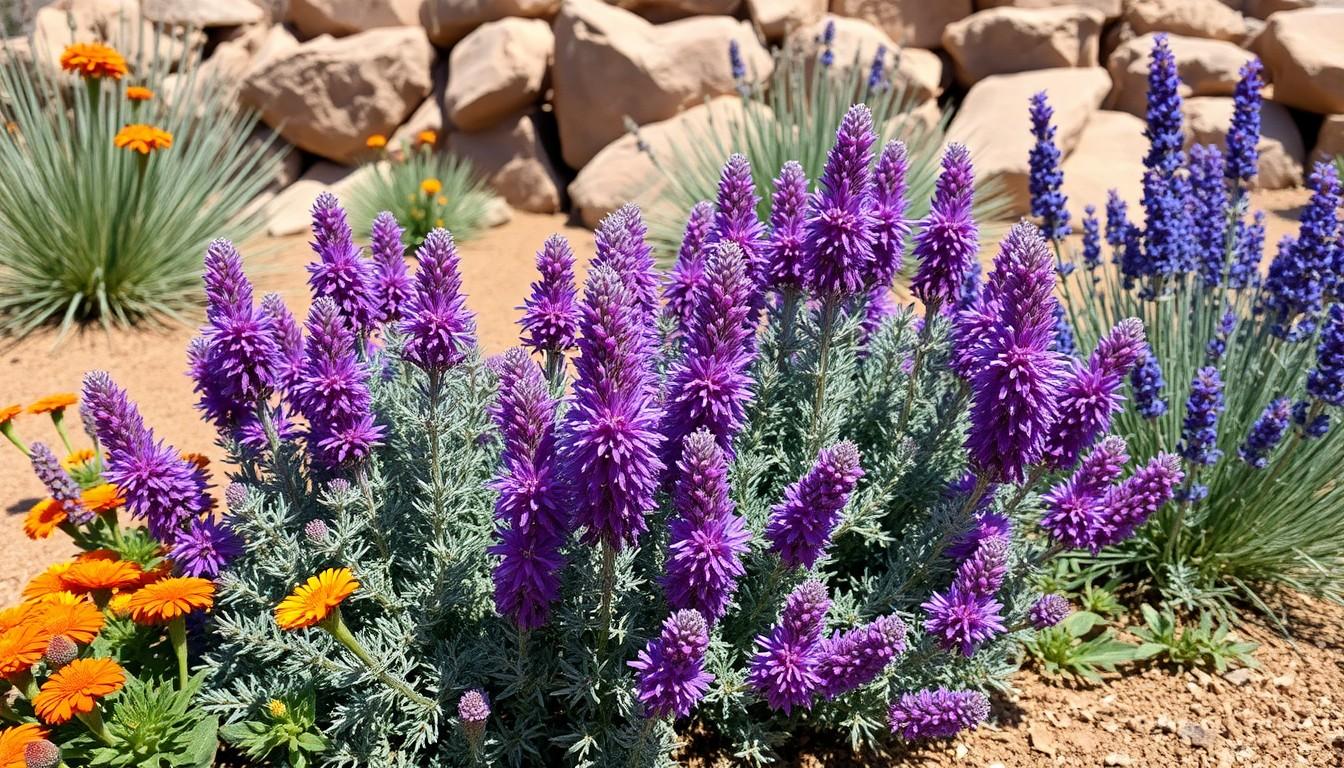
When it comes to landscaping in Texas, few plants can rival the charm and resilience of Texas sage. Known for its vibrant purple blooms and silvery foliage, this hardy shrub is like the rock star of the garden world—always ready to steal the show. Whether you’re looking to create a low-maintenance oasis or add a splash of color to your yard, Texas sage has got your back.
Table of Contents
ToggleTexas Sage Landscaping Ideas
Texas sage complements a variety of landscaping styles, enhancing gardens with its vibrant colors. Create definitions of spaces with varying plant heights; this strategy adds visual interest and depth. Incorporating Texas sage alongside rock gardens showcases the plant’s silvery foliage effectively.
Consider using Texas sage as a border plant. Planted in clusters, it draws attention and provides a lush appearance. Place it near walkways to fill spaces with color and scent, attracting pollinators like bees and butterflies.
Combine Texas sage with other drought-resistant plants. Such pairings minimize water usage while creating diverse textures and dynamic landscapes. Lavender and desert marigolds work well when planted adjacent to Texas sage, providing contrasting colors and attracting beneficial insects.
Design a centerpiece featuring Texas sage surrounded by decorative rocks. The combination creates an eye-catching focal point, while the rocks help retain moisture in the soil. Using mulch around the base can further enhance moisture retention and suppress weeds.
Utilize Texas sage in patio planters for added greenery. This placement allows for easier maintenance while still delivering its beautiful blooms. Create an outdoor seating area where the fragrance can elevate the atmosphere.
Incorporate lighting to showcase Texas sage during the evening. Pathway lights or spotlights can highlight its beauty, making gardens inviting after dark. Colorful blooms against the backdrop of moonlight generate a magical ambiance.
Plan seasonal blooms by interspersing perennials with Texas sage. This strategy ensures visual appeal throughout different times of the year, maintaining garden interest regardless of bloom cycles. Diversifying plant selections makes this strategy particularly effective in creating a vibrant garden landscape.
Benefits Of Texas Sage In Landscaping
Texas sage offers numerous advantages for enhancing outdoor environments. Its adaptability makes it a favorite among landscape designers.
Drought Resistance
Drought resistance defines Texas sage’s primary benefit. This plant thrives in arid conditions, requiring minimal water once established. Resilient growth supports environmental sustainability, particularly in regions prone to water scarcity. During summer, it remains vibrant while other plants struggle. Gardeners favor Texas sage for its ability to survive harsh climates, reducing the need for irrigation. Less water usage translates into lower utility bills, making it an economical choice.
Aesthetic Appeal
Aesthetic appeal enhances the allure of Texas sage in landscaping. Its striking purple blooms emerge during warmer months, creating a beautiful contrast against silvery foliage. Eye-catching displays attract pollinators, including bees and butterflies, promoting a thriving ecosystem. This plant fits well in various design schemes, from desert gardens to contemporary landscapes. Varied planting arrangements with Texas sage provide visual interest and texture. Utilizing it in borders or groupings showcases its full beauty, elevating the overall landscape design.
Design Ideas Incorporating Texas Sage
Designing with Texas sage offers endless possibilities for enhancing outdoor spaces. Its drought-resistant nature makes it a perfect fit for sustainable landscaping.
Xeriscaping Techniques
Xeriscaping with Texas sage maximizes water efficiency. Grouping plants together reduces water evaporation, while allowing for optimal sunlight exposure supports growth. Strategically place Texas sage among rocks or gravel to create a visually appealing, low-water landscape. Using mulch around the base helps retain moisture and suppresses weeds. This approach minimizes irrigation needs, making it both eco-friendly and cost-effective. Incorporate native grasses to blend seamlessly with Texas sage and enhance the overall aesthetic.
Companion Planting Ideas
Companion planting with Texas sage fosters healthy garden ecosystems. Pairing it with lavender creates a striking color palette while attracting pollinators. Planting desert marigolds alongside Texas sage introduces vibrant yellow blooms, enhancing visual interest. Consider using agave plants for dramatic texture contrasts, as their architectural form complements the softer foliage of Texas sage. Incorporating other drought-tolerant plants, such as yucca, further reinforces sustainability and reduces maintenance. This diverse planting strategy elevates landscapes while ensuring harmony between plants.
Maintenance Tips For Texas Sage
Texas sage thrives with minimal upkeep, but proper care ensures optimal growth and flowering. Following a few maintenance guidelines can enhance its appearance and longevity.
Watering Guidelines
Watering Texas sage requires attention to its drought-resistant nature. After establishing, watering once every two to four weeks suffices. Adjusting the schedule based on rainfall maintains optimal moisture levels. Early morning typically serves as the best time to water, allowing plants to absorb moisture before the sun heats the day. Monitor soil moisture, and if the top inch dries out, it’s time to water. Overwatering can lead to root rot, so this caution remains important.
Pruning Techniques
Pruning Texas sage contributes significantly to its health and shape. Removing dead or weak branches in early spring promotes new growth. Cut back one-third of the plant to encourage fuller blooms and maintain a tidy appearance. Use clean, sharp tools to prevent disease transmission and to ensure clean cuts. Explore different pruning times to achieve desired shapes; light pruning throughout the growing season can help control growth. Staying diligent with pruning not only supports aesthetic appeal but helps prevent pests and diseases.
Texas sage stands out as an exceptional choice for landscaping in Texas. Its vibrant blooms and silvery leaves not only enhance visual appeal but also promote sustainability through drought resistance. By integrating Texas sage with other drought-tolerant plants and employing thoughtful design techniques, gardeners can create stunning outdoor spaces that require minimal maintenance.
Whether used in borders, rock gardens, or patio planters, this versatile plant adds texture and color while supporting local ecosystems. With proper care and planning, Texas sage can thrive year-round, offering beauty and resilience. Embracing these landscaping ideas can transform any garden into a vibrant oasis, showcasing the best of Texas’s natural beauty.