
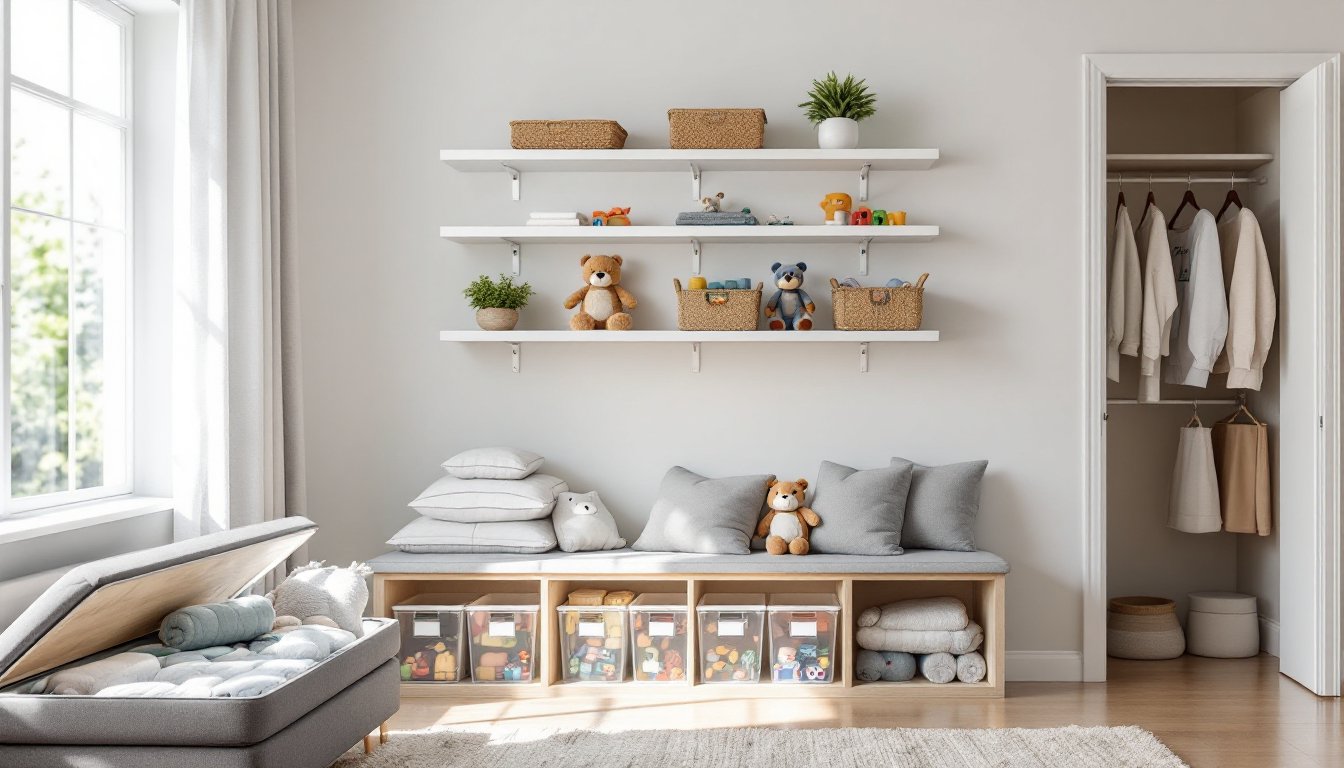
Toys have a way of colonizing every corner of a home, from under the couch to the hallway closet. If you’re tired of tripping over building blocks and drowning in plastic, hidden toy storage offers a practical solution that doesn’t require ripping out walls or hiring contractors. These smart storage strategies tuck playthings away while keeping them accessible, transforming cluttered living rooms into spaces that actually look intentional. Whether you’re working with a small apartment or a sprawling house, there’s a hidden toy storage solution that fits your layout and lifestyle. Let’s explore practical ideas that work with your existing furniture and rooms.
Table of Contents
ToggleKey Takeaways
- Hidden toy storage solutions like under-bed bins and ottomans keep playthings out of sight while maintaining accessibility without structural renovation.
- Wall-mounted shelves and floating displays maximize vertical space, turning toy organization into living room décor while making cleaning easier.
- Closet organization systems with adjustable shelves and hanging rods can store 50% more toys in the same footprint when combined strategically.
- Labeling bins and rotating toy inventory every 4-6 weeks keeps children engaged and prevents clutter accumulation in smaller spaces.
- Built-in storage solutions like window benches with cubbies and under-stair drawers provide permanent, architecturally integrated hidden toy storage that increases home value.
- Choosing dual-purpose furniture like ottomans with removable lids and upholstered benches combines seating with toy storage to maximize functionality without visual clutter.
Under-Bed Storage Solutions for Hard-to-Reach Spaces
The space beneath a child’s bed is prime real estate for hidden toy storage. Flat plastic bins slide easily under standard bed frames and keep toys out of sight while remaining accessible when playtime calls. Measure the clearance height carefully, most bed frames sit 8 to 12 inches above the floor, leaving just enough room for shallow storage containers.
Choose bins with wheels for easy access: models with built-in handles prevent you from having to crawl across the floor to retrieve items. Label each bin clearly so kids know what goes where without opening every container. Rolling drawers designed specifically for under-bed storage offer a more polished look than stacking plastic totes, though they cost more upfront.
Underlayment fabric or plywood sheets protect toys from dust and moisture if your home sits in a humid climate. Avoid storing soft toys in sealed containers, they trap moisture and create musty odors. Under-bed storage works best for building sets, action figures, vehicles, and board games: rotate inventory seasonally to keep the selection fresh and prevent boredom.
Ottoman and Bench Storage for Dual-Purpose Furniture
An ottoman with a removable lid serves double duty as a seating surface and a toy vault. These pieces look intentional in any living room, fitting naturally into your décor without screaming “toy storage.” Most ottomans feature hinged or lift-off lids with interior compartments that hold a surprising volume of soft toys, stuffed animals, and fabric items.
When selecting an ottoman, check that the lid closes securely, no accidental pinching of little fingers. Measure the interior dimensions: a standard ottoman might measure 30 inches wide by 18 inches deep by 16 inches tall, offering roughly 8 cubic feet of usable space. Upholstered benches at the foot of a bed function similarly, though you’ll need to ensure proper ventilation if storing items long-term.
Fill ottomans with soft items rather than hard plastic toys to avoid damaging the sides. Rolled blankets, cushions, and stuffed animals stack efficiently. If the ottoman sits in a high-traffic area, teach kids to use it as a quick toss-and-close solution rather than a rummaging spot. Modern toy storage for living rooms increasingly relies on dual-purpose pieces like these because they maximize functionality without adding visual clutter.
Wall-Mounted Shelves and Floating Displays
Wall-mounted shelves transform vertical space into organized toy storage while keeping items visible and accessible. Install floating shelves at least 36 inches wide and 10 inches deep using 3/8-inch thick solid wood or plywood fastened to wall studs with heavy-duty anchors rated for at least 25 pounds per shelf. Locate studs with a stud finder before marking anchor points, this prevents shelves from pulling loose under toy weight.
Space shelves 12 to 18 inches apart vertically to accommodate different item heights and allow kids to reach lower shelves independently. A typical living room might accommodate three shelves spanning 6 to 8 feet of wall space, providing roughly 20 cubic feet of visible storage. Use baskets or labeled bins on shelves to contain smaller items and prevent the shelves from looking chaotic.
Floating shelves work well for toy storage ideas in living rooms because they maintain sight lines and aesthetic appeal. Display action figures, building blocks, or lightweight collections while tucking board games and stuffed animals in bins beneath. Wall-mounted storage prevents toys from accumulating on floors and makes vacuuming a straightforward task. Ensure all shelving is installed level using a 2-foot bubble level, and avoid overloading shelves beyond their rated capacity.
Closet Organization Systems for Toys
A dedicated closet transforms into efficient toy storage with proper shelving and rod systems. Clear out winter clothes or seasonal decorations to make room, or partition an existing closet using a tension rod to separate toy zones from clothing.
Installing Shelving and Rods
Measure your closet dimensions precisely before purchasing shelving. Most standard closets run 24 to 30 inches deep and 6 to 8 feet wide. Install adjustable shelf brackets rated for at least 20 pounds per bracket, spacing them 12 inches apart vertically using a level to ensure shelves sit square. Screw brackets directly into studs when possible: use heavy-duty drywall anchors if hitting studs isn’t feasible.
Add a closet rod about 36 inches from the floor using a tension rod or permanently mounted rod brackets. Hang rolling toy organizers, clear shoe racks (which work beautifully for small toys), or canvas storage bags from the rod to maximize vertical space. The combination of shelves and hanging storage lets you store 50 percent more toys in the same footprint compared to shelves alone.
Labeling and Rotating Inventory
Label each shelf and bin with a laminated sticker showing what belongs there, action figures, building sets, vehicles, whatever makes sense for your collection. Kids can quickly identify where toys go when returning items, reducing the “where does this belong?” chaos. Photograph bin contents before applying labels as a reference guide for restocking.
Rotate toy inventory every 4 to 6 weeks by moving some stored items to the closet and rotating older toys back out. This strategy maintains engagement and makes the selection feel fresh without buying additional toys. Keep seasonal toys (outdoor gear, holiday decorations) on upper shelves where they won’t clutter active play areas.
Built-In Storage and Nooks
Built-in storage represents a permanent solution for homes where toys accumulate year after year. Constructed storage can be designed to fit specific wall dimensions and architectural features, blending seamlessly into your home’s style. A built-in bench with cubbies underneath uses the space beneath a window or along a wall, storing toys while providing seating.
Frame cubbies using 2×4 lumber spaced 12 to 16 inches apart, creating square openings approximately 14 inches on a side. Back each cubby with 3/4-inch plywood, add shelves or leave open depending on toy type and accessibility needs. Face the frame with trim that matches your room’s baseboard or custom paint a feature wall around the storage to make it architecturally intentional.
Under-stair storage presents another built-in opportunity. The triangular space beneath basement or attic stairs is often wasted, but installing shallow drawers or angled shelves captures valuable square footage. Custom fit drawers maximize depth while staying accessible, a 24-inch deep drawer works, but 18-inch drawers slide in and out with less effort. Structural considerations apply here: consult local building codes about stairway modifications, as improper installation affects fire safety and egress routes.
Built-in storage requires measuring, framing, and finishing work that most DIYers can handle, but permits may be required if modifications touch structural elements or electrical systems. The payoff is permanent, purpose-built storage that feels integrated rather than added-on. Finished built-ins also increase home resale value by demonstrating thoughtful storage solutions beyond standard shelving. Using toy storage ideas for living rooms like these shows buyers you’ve solved a universal problem: where kids’ belongings live.