
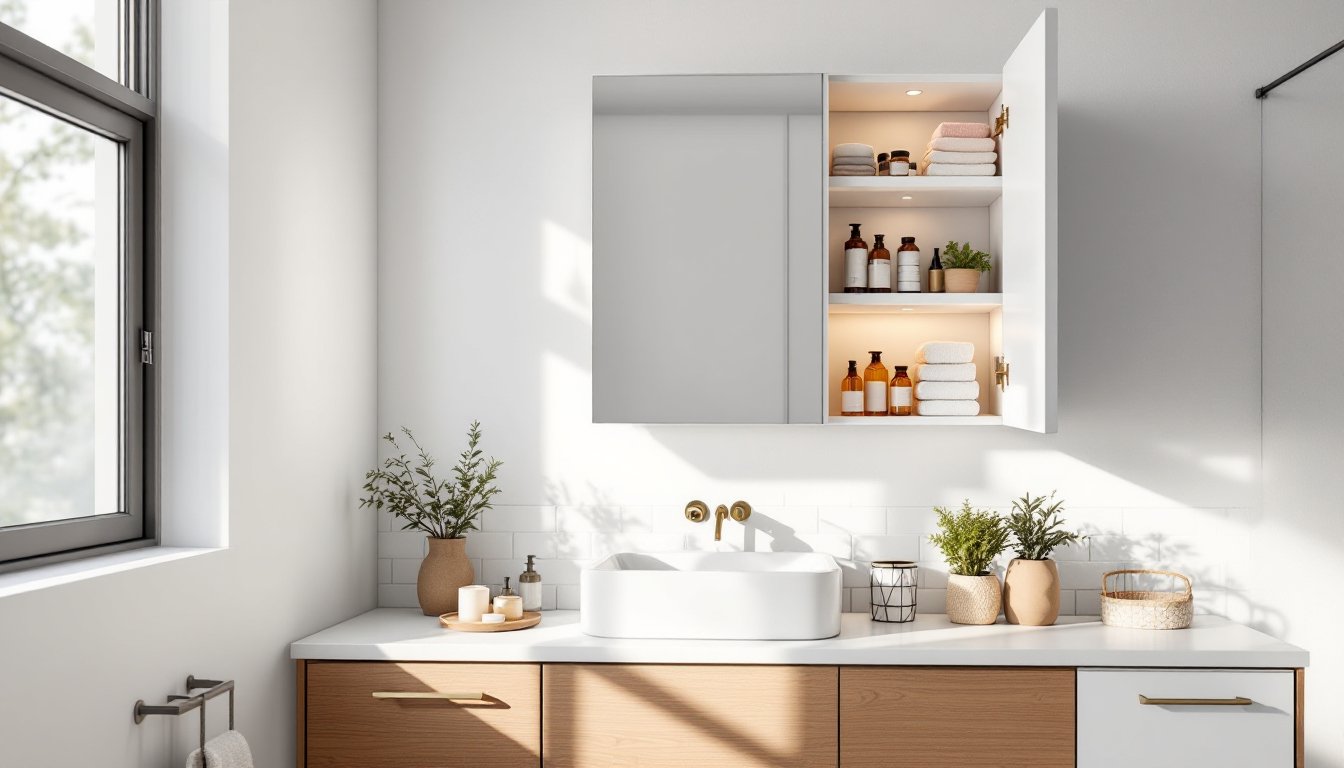
Clutter has a way of sneaking into every corner of a home, socks in the bathroom, tools in the hallway, seasonal decorations everywhere but the attic. Hidden storage cabinets solve this problem by offering smart, inconspicuous places to stash the things you need without the visual noise. Unlike open shelving that demands constant styling, a well-placed hidden storage cabinet blends seamlessly into walls and doorways, keeping essentials within arm’s reach while maintaining a clean, uncluttered look. Whether you’re dealing with a small apartment or a sprawling house, these clever solutions work harder than obvious alternatives and cost far less than a full renovation.
Table of Contents
ToggleKey Takeaways
- Hidden storage cabinets maximize usable space while maintaining a clean aesthetic by keeping clutter out of sight without eating into a room’s layout or sightlines.
- Recessed and flush-fit hidden storage cabinet designs sit between wall studs for a seamless look, while wall-mounted options offer faster installation without drywall modification.
- Popular installation locations include bathrooms for medicine and toiletries, kitchens for oils and appliances, bedrooms for seasonal items, and mudrooms for shoes and outdoor gear.
- Custom built-in cabinets deliver the highest aesthetic payoff but cost $500–$2,000+, while pre-made recessed or wall-mounted options range from $100–$600.
- Proper installation requires locating studs with a stud finder, using a level for accurate placement, securing with appropriate fasteners (wood screws for studs, toggle bolts for drywall), and finishing with paint and caulk for a seamless appearance.
- Start with a simple bathroom cabinet project to build confidence before tackling more complex hidden storage solutions in other rooms.
Why Hidden Storage Cabinets Are a Game-Changer for Your Home
Hidden storage cabinets maximize usable floor and wall space without eating into a room’s layout or sightlines. A standard cabinet taking up square footage on a wall forces you to work around it, move furniture, rethink traffic flow, or live with visual bulk. A recessed or flush-fit cabinet does the opposite: it works with existing architecture, often filling awkward dead zones that don’t serve any other purpose.
The second advantage is aesthetic control. Open shelving demands you maintain display-worthy organization. Hidden cabinets let you close the door on chaos. If your kids’ art supplies are organized chaos or your home office paperwork isn’t Instagram-ready, a hidden cabinet keeps it private without guilt.
There’s also the practicality factor: protection from dust, moisture, and damage. Medicine cabinets, for example, keep medications away from humidity in bathrooms. Kitchen cabinets hide appliances and oils from splatter zones. In laundry rooms or mudrooms, closed storage protects cleaning supplies and seasonal gear. When exploring options to store your everyday items effectively, hidden storage cabinet solutions combine aesthetics with function in ways open storage never can.
Popular Types of Hidden Storage Cabinets to Consider
Wall-Mounted and Flush-Fit Designs
Flush-fit cabinets sit recessed into the wall between studs, with the door surface nearly level with the drywall. This style works especially well in bathrooms, where a 12-inch or 16-inch wide recessed medicine cabinet slides perfectly between standard 16-inch stud spacing. The cabinet frame screws directly to studs, and trim or bezel covers the gap. They’re shallow, typically 4 to 6 inches deep, so they don’t steal much space, but they hold plenty of small items.
Wall-mounted cabinets sit outside the wall. A cabinet mounted above a toilet tank or behind a bedroom door uses vertical space without any cutting or framing. These cabinets arrive ready-made and mount with heavy-duty brackets and wall anchors (or into studs for heavier loads). Installation is faster and requires no drywall repair, but they protrude further than recessed options.
Built-In Cabinets and Custom Solutions
Built-in cabinets are permanent fixtures tailored to a specific space. Think of a cabinet that fills an awkward under-stair alcove, a false-front panel in a hallway that hides a flat-screen TV and media equipment, or a kitchen cabinet disguised as a pantry door. These require more planning and often involve framing, but they deliver the highest aesthetic payoff because they look like part of the home’s original design.
Custom cabinetry can follow simple or elaborate designs. Free woodworking plans exist for straightforward hidden cabinets if you have basic carpentry skills. More complex builds, hidden desk drawers, rotating shelving, or cabinets faced with wallpaper that matches a room’s décor, justify hiring a carpenter or cabinet maker. Budget accordingly: custom work typically runs $500 to $2,000+ per cabinet depending on size and finish, while pre-made recessed or wall-mounted options run $100 to $600.
Where to Install Hidden Storage Cabinets in Your Home
Bathrooms are the classic location. A recessed medicine cabinet between studs keeps medications, first-aid supplies, and toiletries out of sight and moisture-protected behind a closed door. If wall space is limited, a cabinet mounted above the toilet tank (secured with bracket supports into wall studs) works just as well.
Kitchens often have wasted wall space. A gap between the fridge and a wall, or an awkward corner beside a doorframe, becomes prime hidden-storage real estate. Some homeowners install a thin cabinet that looks like a pantry door but opens into a narrow space perfect for oils, vinegars, and small appliances. This look pairs well with cabinet faces that match your existing finishes.
Bedrooms and hallways hide seasonal items, off-season clothing, or guest bedding in a low-profile cabinet tucked into a corner or disguised behind artwork or a false panel. A bedroom closet can also accommodate a small recessed safe or document cabinet if you frame out a section of wall.
Mudrooms and entryways benefit from a tall, narrow hidden cabinet for shoes, coats, and outdoor gear. A wooden-door cabinet that matches the existing trim disappears into the wall, keeping the entry feeling open while storing what would otherwise pile up.
Before choosing a location, consider moisture (avoid bathrooms for electronics), traffic flow (don’t block doorways), and framing (wall studs must exist if you’re recessing, or anchors must support weight if mounting on drywall). When planning garage storage solutions, hidden cabinets work especially well in temperature-controlled garages where you can safely store paint, tools, and supplies away from visible clutter.
DIY Installation Tips and Best Practices
Measure twice, cut once. Verify wall thickness, stud location, and available depth before buying or building a cabinet. If installing a recessed unit, use a stud finder to confirm where the studs sit. Standard spacing is 16 inches on center, but older homes and some additions vary. Measure the height and width you have to work with: cabinets must fit between existing studs unless you’re prepared to relocate them (structural work best left to professionals).
For recessed installations: Frame the rough opening with 2×4 lumber, install the cabinet box, and secure it to studs with 2.5-inch wood screws, one per side, minimum. Use shims to keep the cabinet perfectly level and plumb. Cut and fit drywall around the cabinet, tape and mud the seams, sand smooth, and paint or prime. The result looks built-in, not retrofitted.
For surface-mounted cabinets: Locate studs and install 3/8-inch toggle bolts or lag screws if mounting into studs, or heavy-duty drywall anchors rated for the cabinet’s weight. Heavy cabinets (over 30 pounds) must go into studs: anchors alone can fail. Use a level to confirm the cabinet is straight before tightening fasteners fully.
Safety and prep:
- Wear safety glasses and a dust mask when cutting drywall or framing.
- Shut off power to any outlets or switches in the wall before cutting.
- If you encounter plumbing or electrical while framing, stop and consult a professional.
- Ensure the cabinet door opens freely and doesn’t catch on trim or frames.
Finishing touches: Paint or stain to match existing trim. Add soft-close hinges if budget allows, they’re quieter and last longer than standard hinges. Apply caulk where the cabinet meets the wall for a seamless look. For inspiration and detailed step-by-step projects, woodworking tutorials and beginner furniture guides offer solid reference points if you’re new to cabinet work.
Conclusion
Hidden storage cabinets deliver function without sacrificing aesthetics. Whether you choose a simple recessed medicine cabinet or a custom built-in, the key is matching the cabinet type to your space, measuring carefully, and taking time with finish work. Start small, a single bathroom cabinet is a confidence-building first project, then expand to other rooms as your skills grow.