
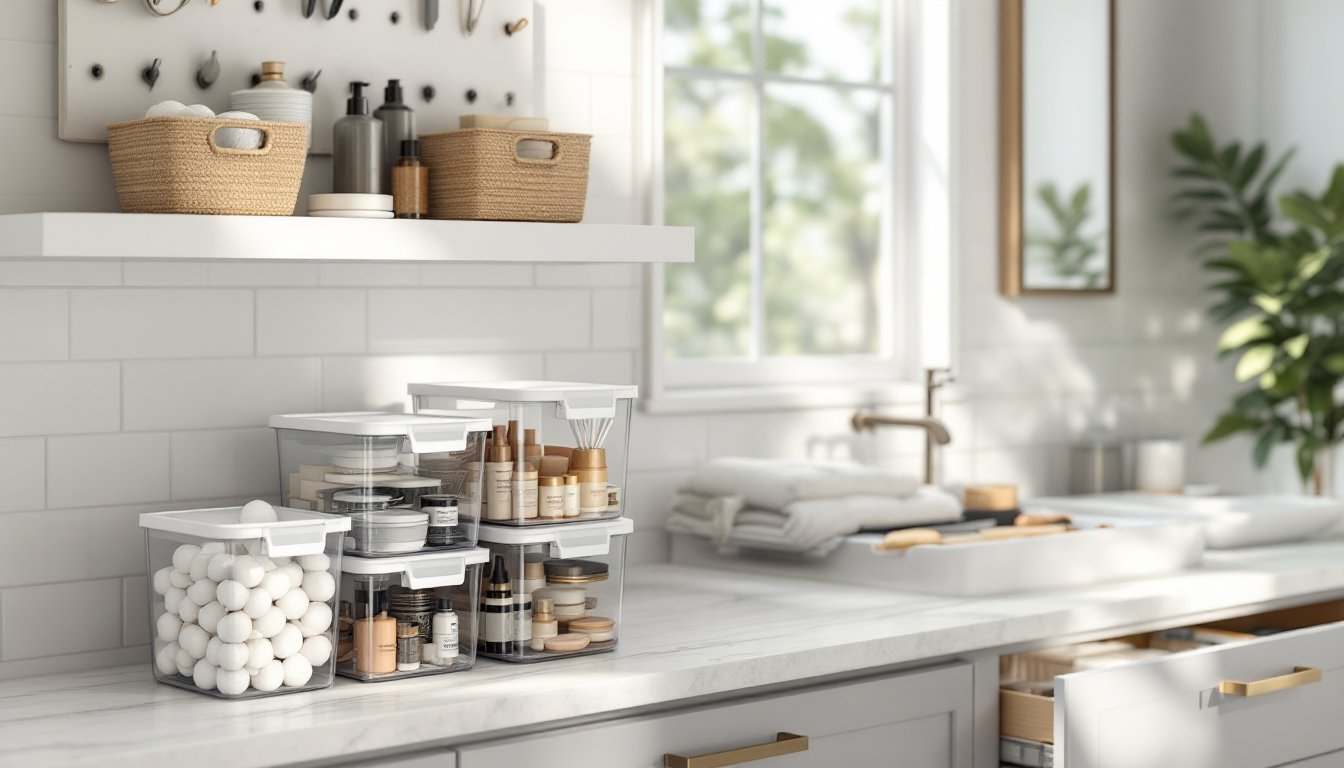
A cluttered bathroom isn’t just unsightly, it wastes time, hides essentials, and makes daily routines harder. Bathroom storage containers are the practical fix that transforms a chaotic vanity or medicine cabinet into an organized space where everything has its place. Whether you’re working with a tiny apartment bathroom or a sprawling master suite, the right containers solve the problem without requiring structural changes or a contractor’s help. This guide walks through seven proven storage solutions, from clear acrylic organizers to under-sink cabinets, so you can pick what fits your space and lifestyle.
Table of Contents
ToggleKey Takeaways
- Bathroom storage containers transform cluttered vanities into organized spaces by keeping essentials accessible while protecting items from humidity and reducing wasted money on duplicate products.
- Clear acrylic containers offer visibility and durability, allowing you to see exactly what’s inside and easily spot when items need restocking without opening drawers or cabinets.
- Wall-mounted shelves and pegboards maximize vertical space in small bathrooms by pulling storage off counters and floors, instantly freeing up usable surface area.
- Drawer dividers prevent tangled products and endless searching by compartmentalizing items, making morning routines faster and protecting contents from breaking when retrieved.
- Woven baskets and metal-frame organizers add aesthetic appeal while hiding clutter, offering flexibility to adapt your storage system as your routine and seasonal needs change.
- Under-sink cabinets require moisture-resistant materials and careful planning around plumbing, making them ideal for storing cleaning supplies and backup products but not medications or temperature-sensitive cosmetics.
Why Bathroom Storage Matters
A bathroom serves double duty: it’s a utilitarian space and a personal retreat. When bottles, jars, and products scatter across surfaces, that dual purpose falls apart. Clutter hides items you actually need, creates safety hazards on wet counters, and makes cleaning harder. Poor organization also wastes money, you’ll buy duplicate products because you can’t find what you already have.
Effective bathroom storage keeps moisture-prone items like cotton swabs, skincare products, and medications in dedicated spots where humidity can’t compromise them. It also prevents kids from accessing dangerous substances and makes it easier to carry out a regular cleaning routine. Beyond the practical benefits, an organized bathroom simply feels better to use every morning and night. When storage is intentional rather than haphazard, the whole space works harder for you.
Clear Acrylic Containers for Visible Organization
Clear acrylic containers strike the sweet spot between function and aesthetic. You can see exactly what’s inside and how much product remains without opening drawers or cabinets. These containers come in standard sizes, typically 1-quart, 2-quart, and 4-quart capacity, and stack efficiently on shelves or inside cabinets.
Look for acrylic containers with secure lids that won’t tip over easily on a bathroom countertop. The material resists moisture better than cheaper plastics and won’t yellow or become brittle over time. Size matters: measure your shelf space before buying, since nominal dimensions can vary between brands. A 3-inch-wide container fits comfortably in most vanity drawers alongside a toothbrush holder.
Fill these containers with hair accessories, cotton balls, Q-tips, makeup brushes, or small bottles of lotions and serums. The beauty is that you can instantly spot when something’s running low or needs restocking. Use labels on the lids or sides for roommates and family members who need to find things quickly. One practical tip: acrylic can scratch if stacked carelessly, so place a thin cloth or shelf liner between layers if you’re stacking multiple units.
Wall-Mounted Solutions to Maximize Vertical Space
Wall space is wasted real estate in most bathrooms. Wall-mounted shelves, pegboards, and floating organizers pull storage off the floor and counter, instantly freeing up usable surface area. This approach works especially well in small bathrooms where floor space is at a premium.
Floating shelves require basic installation: find the wall studs using a stud finder, drill pilot holes, and anchor brackets securely. Most bathrooms have drywall between studs, so use hollow-wall anchors (like toggle bolts or molly bolts) if you can’t hit a stud. Shelves typically support 25 to 50 pounds per bracket, depending on the bracket quality and stud attachment.
Pegboards offer flexible organization since you can rearrange hooks and baskets as needs change. Mount pegboard on studs using 1.5-inch wood screws spaced 16 inches apart vertically, which is standard stud spacing. Adhesive-backed wall organizers and hanging shelves exist for renters, though they’re less stable for heavy items. Moisture is the main enemy here, ensure proper ventilation and avoid mounting storage directly above the toilet or tub where constant spray causes damage.
Drawer Dividers and Stackable Organizers
Drawer dividers are the unsung heroes of bathroom organization. They prevent the endless rummage through tangled cords, loose hair ties, and scattered makeup, everything stays compartmentalized and accessible. Dividers come in several forms: rigid plastic inserts, expandable bamboo or wood frames, and fabric compartments.
Rigid dividers work best for standard-sized drawers and won’t shift when you tug items out. Expandable dividers adjust to fit your exact drawer width, typically ranging from 10 to 20 inches wide. Measure your drawer interior before buying to ensure a snug fit without gaps. Stackable organizers add vertical organization within drawers, creating multiple levels for skincare bottles, brushes, and small tools.
Start by removing everything from the drawer and assessing what you actually use. Group similar items: hair tools together, skincare products in one section, medications in another. Dividers prevent products from tipping or breaking, and they make it far faster to find what you need when you’re rushing through a morning routine. One practical detail: plastic dividers resist moisture better than untreated wood, which can warp in a humid bathroom.
Basket and Woven Storage for Aesthetic Appeal
Baskets and woven storage containers add warmth and texture while hiding clutter effectively. They’re ideal for grouping similar items, one basket for hair care, another for bath products, a third for cleaning supplies. Woven materials like rattan, seagrass, and water hyacinth tolerate bathroom humidity reasonably well, though they’ll eventually show wear in very steamy environments.
Size your baskets to fit your shelves or floor space. A 12-inch-diameter round basket suits a shelf next to the sink, while rectangular baskets fit snugly in under-sink cabinets or on open shelving. Look for baskets with sturdy handles for easy retrieval, especially if you’re storing heavier bottles. Moisture is the concern here, allow baskets to air dry if they get splashed, and place a waterproof liner inside if storing damp items like wet washcloths.
Metal-frame baskets offer another aesthetic option and resist moisture better than pure woven materials. Labeling baskets with small tags or chalkboard stickers helps family members return items to the right spot. The key advantage of baskets over hard plastic containers is that they soften the look of a bathroom while still delivering serious organizational function. Rotate seasonal items in and out of baskets as needed, they’re flexible enough to adapt as your routine changes.
Under-Sink Cabinets and Hidden Storage Options
The area beneath a bathroom sink is prime real estate for hidden storage, yet most people squander it. The P-trap plumbing (the curved pipe under the drain) takes up some space, but there’s usually room for pull-out drawers, sliding shelves, or stackable organizers around it.
Under-sink cabinets are naturally humid since the sink sits directly above. Use moisture-resistant materials, plastic, coated wood, or metal, rather than untreated plywood. Store only items that tolerate moisture well: cleaning supplies, extra toilet paper, backup bottles of lotion, and tools. Never store medications or cosmetics under the sink unless they’re in waterproof containers: humidity degrades many products and paper labels.
A pull-out drawer organizer maximizes the space and makes it easier to reach items in the back without contorting yourself. Install it using simple slides and bracket hardware, no permanent modifications needed for renters. Tiered shelving units designed for under-sink storage cost under $20 and add significant capacity. Keep the area under the sink clear of standing water by immediately drying any spills or condensation. If you notice persistent wetness, check the P-trap connection: a slow leak will eventually damage the cabinet and whatever’s stored inside.
Tips for Choosing the Right Containers
Selecting bathroom storage containers isn’t a one-size-fits-all decision. Start by assessing what you’re storing, hairbrushes, medications, skincare products, and cleaning supplies each have different requirements. Medications need opaque, cool, dry conditions, so dark plastic containers or a medicine cabinet work better than clear acrylic on a sunny windowsill. Skincare and cosmetics prefer consistent humidity and temperature, making a dresser drawer or closed cabinet ideal.
Measure your available space before shopping. Jot down shelf dimensions, drawer depths, and the height between shelves. Note moisture exposure, the area above or near the sink faces constant humidity, while a linen closet or bedroom dresser is dry. Material matters: acrylic and glass containers resist moisture but can break: plastic is durable but may off-gas chemicals in hot bathrooms: wood looks nice but needs sealing in humid environments.
Budget realistically. Quality containers last years and eventually pay for themselves through reduced product waste and time savings. A set of clear acrylic containers runs $25 to $50, wall shelves cost $30 to $100 depending on material and installation, and woven baskets range from $15 to $60 each. Don’t overbuy, start with one or two solutions, see how they work, then expand. Finally, involve your household: if you’re organizing a shared bathroom, containers only work if everyone understands the system and maintains it consistently.