
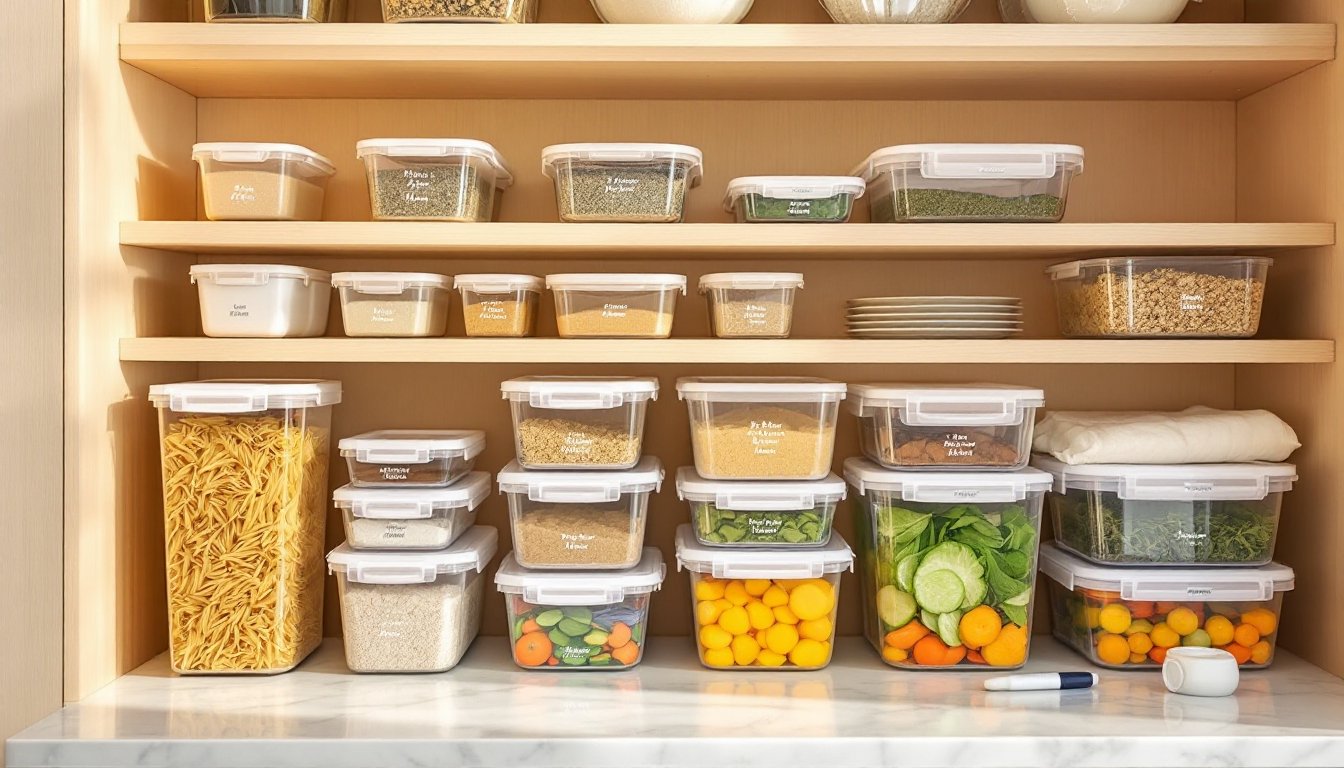
Clutter in the kitchen doesn’t just waste space, it wastes time. Every morning you’re hunting for that one lid, every meal prep session you’re sorting through mismatched containers, and every grocery trip you’re guessing whether you have room to bring anything home. Kitchen storage containers are the backbone of an organized, functional kitchen. They’re not just about looking neat: proper containers keep food fresh longer, make your pantry and fridge work harder for you, and help you actually see what you have. Whether you’re storing dry pasta, prepped vegetables, or last night’s leftovers, the right containers transform chaos into a system that works. This guide walks you through the types, features, and strategies to choose containers that fit your kitchen and your life.
Table of Contents
ToggleKey Takeaways
- Quality storage containers for kitchen organization reduce food waste, save time during meal prep, and extend the shelf life of pantry staples by weeks or months.
- Choose airtight containers with reliable snap-lock or gasket seals, clear visibility for contents, and graduated sizes (1-cup to 8-cup) to cover most household storage needs efficiently.
- Polypropylene (#5 plastic) and glass are the best materials for food storage containers due to durability, temperature resistance, and their ability to maintain fresh food quality in both refrigerator and freezer.
- Stack containers vertically, group similar items together, and label everything with contents and dates to maximize kitchen space and prevent forgotten leftovers from spoiling.
- Test seal quality before purchasing and confirm that containers are dishwasher-safe, microwave-safe, and freezer-safe to ensure they fit seamlessly into your daily cooking and meal prep routine.
Why Kitchen Storage Containers Matter For Organization
A well-organized kitchen isn’t just aesthetically pleasing, it saves money, reduces waste, and makes cooking faster. When food is visible and properly stored, you use what you have before it spoils. When containers stack neatly and take up less space, your cabinets and refrigerator suddenly feel bigger. The difference between grabbing five mismatched containers every time you pack lunch and pulling two matching ones is the difference between five minutes and thirty seconds.
Food storage containers also protect your investment. Proper airtight containers keep pantry staples fresher longer, extending shelf life for flour, sugar, cereal, and spices by weeks or months. In the refrigerator, they prevent odor transfer, keep moisture levels balanced, and make it impossible to forget that chicken in the back corner because it’s visible in a clear container. Over time, this prevents waste, which means lower grocery bills and less guilt about throwing away food. Freezer containers prevent freezer burn on meat and vegetables, which means better quality meals when you’re ready to cook.
Types Of Storage Containers To Consider
Airtight And Dry Goods Containers
Airtight containers are the workhorse of kitchen storage. They come in a range of sizes, from small containers for spices and coffee grounds (around 8 ounces) to large ones for flour or sugar (up to 5 quarts). The key feature is the seal: a gasket or snap-lock mechanism that creates an airtight barrier, keeping moisture and pests out while locking in freshness.
For dry goods specifically, look for containers with locking tabs or silicone gaskets. These are what hold a true seal: simple lids that just sit on top aren’t airtight and won’t extend shelf life the way sealed containers do. Glass containers with airtight lids are popular because they’re durable, don’t stain, and let you see contents at a glance. Plastic containers (typically polypropylene, labeled #5) are lighter, shatterproof, and often cheaper, though they may absorb odors over time. A set with graduated sizes, like a 4-piece or 6-piece set, typically costs $20 to $40 and covers most pantry needs.
For overflow storage or bulk items, large transparent containers work well in pantries and cabinets. They stack efficiently and make inventory management simple. Avoid opaque containers for everyday dry goods unless you’re okay with labeling everything or having a separate inventory list.
Refrigerator And Freezer Containers
Refrigerator and freezer containers have different demands than pantry storage. They need to withstand temperature swings, prevent moisture loss, and ideally be dishwasher-safe for easy cleanup. Polypropylene or polypropylene (#5 plastic) containers are standard here because they’re freezer-safe down to 0°F and won’t crack from temperature changes.
Clear containers with tightly sealing lids are essential. When meal prepping or storing leftovers, you need to know what’s inside without opening the lid, and whether it’s actually getting old. Square or rectangular containers stack more efficiently in tight fridge spaces than round ones. Containers with a 3- to 5-cup capacity work best for most household meal prep: anything larger becomes awkward to handle, and anything smaller means too many containers taking up shelf space.
For freezer storage specifically, some people use dedicated freezer containers with measurement marks on the side (handy for soups and sauces), while others use standard refrigerator containers that happen to be freezer-safe. Just confirm the label says freezer-safe: not all plastic containers tolerate sub-zero temperatures. Glass containers with snap-lock lids also work in freezers and are particularly good if you’re reheating in a microwave or oven, though they take up more space.
Key Features To Look For When Choosing Containers
Start with seal quality. Whether it’s a snap-lock mechanism, a sliding gasket, or a latch system, test it in the store if possible. A good seal should feel firm but not require the strength of an athlete to close. Poor seals are the #1 reason people ditch container sets within a year, if the lid doesn’t click or lock properly, you’ll stop using them.
Next, consider stackability. Your containers will live stacked in a cabinet or fridge, so flat-bottomed, vertical-sided designs stack more efficiently than rounded ones. Some brands design containers with slightly recessed lids that nest into the next container: this saves significant space. Measure your cabinet or shelf before buying and check container dimensions, many sets list stack height.
Durability and material matter for longevity. Glass is nearly indestructible and won’t absorb odors, but it’s heavier and can break. Polypropylene (#5 plastic) is the standard for food storage: it resists staining and remains microwave-safe at normal temperatures. BPA-free is now standard across reputable brands, so that’s worth confirming. Silicone gaskets in lids outlast rubber and tend to maintain a better seal over time.
For everyday convenience, clear plastic or glass lets you see what’s inside without opening the lid. Opaque containers work for dry goods if you’re willing to label them clearly, a label maker is worth the $15 investment if you’re going opaque. Check whether lids and containers are microwave and dishwasher safe: this matters more than you’d think for actual daily use. Many tested kitchen storage containers from sources like Real Simple’s kitchen storage container reviews emphasize both sealing performance and ease of cleaning.
Finally, sizing. A set with graduated sizes (like 1-cup, 2-cup, 4-cup, and 8-cup containers) covers most needs better than a set of all identical sizes. Single-use large containers are tempting but often go unused. For a household of 2-4 people, a mid-range set of 8-12 pieces typically provides enough flexibility without creating cabinet overflow.
How To Maximize Your Kitchen Storage Space
Start with an honest audit of what you actually store. Open your pantry and note what lives in there: cooking oils, flour, sugar, pasta, cereals, spices, snacks. Count how many containers each item needs, then buy your set accordingly. Don’t buy a 12-piece set if you only store four types of dry goods. Overbuying containers leads to the exact clutter you’re trying to avoid.
Vertical storage changes everything in a small kitchen. Stack containers in cabinets rather than spreading them out. Use cabinet risers or tiered shelf organizers to create two levels in a single shelf. In the refrigerator, tall narrow containers take up less footprint than wide shallow ones for the same volume. This simple shift often doubles usable fridge space.
For the freezer, organize by category (meats, vegetables, prepared meals) and use containers or clear freezer bags as dividers. Freezer containers with flat sides pack much more efficiently than round ones. Label everything with a permanent marker or label maker and include the date: it’s the only way to prevent mystery packages from becoming garbage months later.
In the pantry, store frequently used items at eye level and arm’s reach: store occasional-use items higher or lower. Group similar containers together (all pasta containers in one spot, all baking supplies in another). This reduces the hunt time and makes it obvious when you’re running low on something. Many people organizing small kitchens find that resources from The Kitchn offer practical solutions for maximizing tight spaces.
Consider using labels consistently. A simple label on each container with contents and purchase date prevents the “Is this still good?” question and stops you from buying duplicates when you can’t remember what you already have. If you’re meal prepping, batch your containers, use the same container size for all your prepared proteins, for example, so they stack like a deck of cards. This reduces container variety in your fridge and makes the space feel intentional, not chaotic.
For long-term storage, check your containers seasonally. Lose a lid? Replace just the lid from the manufacturer if possible, rather than retiring the entire container. Most quality brands sell replacement lids. If you’re rotating containers based on seasonality (switching from fresh cooking to more frozen prepared meals), having extra empties on hand means you’re not hunting for clean containers at peak cooking times.
Conclusion
Kitchen storage containers aren’t an afterthought, they’re a foundational tool that directly impacts how efficiently your kitchen functions and how well your food stays fresh. The right containers reduce waste, save time during meal prep and cooking, and actually make you want to keep your kitchen organized. Start with clear, airtight containers in graduated sizes, ensure they have reliable seals and stack well, and choose materials that suit your use. Whether you’re storing pantry staples, prepped vegetables, or leftovers, matching containers to purpose pays off in daily convenience. Your future self, the one standing in front of the fridge trying to remember if there’s room for grocery shopping, will thank you for the system you build today.