
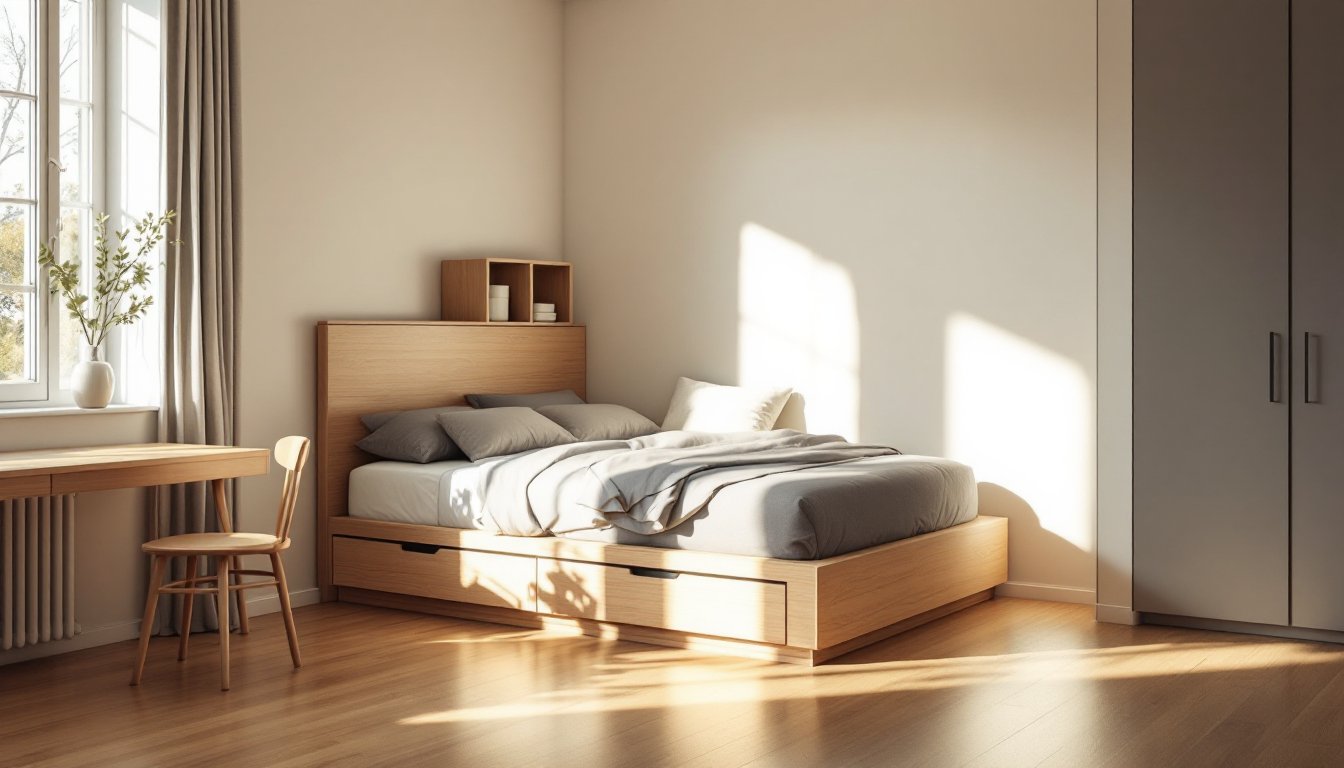
Small bedrooms demand smart furniture choices, and a corner storage bed is exactly that, a practical solution that makes every square foot count. Unlike a standard bed frame, a corner storage bed tucks into the room’s unused corner, freeing up floor space while providing built-in storage for pillows, linens, seasonal clothing, or whatever you need within arm’s reach. Whether you’re working with a cramped apartment, a guest room, or a child’s bedroom, this dual-purpose piece solves two problems at once: giving you a comfortable place to sleep and eliminating clutter. In 2026, as homeowners prioritize both functionality and smart design, corner storage beds have become essential furniture for anyone serious about maximizing their bedroom layout.
Table of Contents
ToggleKey Takeaways
- A corner storage bed maximizes small bedroom layouts by tucking into unused corners, freeing up 20–30 square feet of usable floor space compared to standard bed frames.
- Corner storage beds eliminate the need for a separate dresser, cutting furniture costs by consolidating a bed frame and storage cabinet into one dual-purpose piece priced between $400–$1,000.
- Platform-style designs with solid bases eliminate the need for a box spring, reduce maintenance requirements, and distribute mattress weight evenly for longer durability.
- Measure your bedroom corner carefully before purchasing—account for 2–3 feet of extension into the room—and prioritize hardwood frames with ball-bearing drawer slides over cheaper particleboard for long-term reliability.
- Choose your corner storage bed style based on access frequency: drawers for rarely-used items like seasonal decorations, and open shelving for daily essentials like extra pillows and blankets.
What Is a Corner Storage Bed?
A corner storage bed is a bed frame designed to fit snugly into the corner of a room, with built-in storage compartments integrated into the frame or platform. Unlike traditional beds that sit in the middle of a room or against a single wall, a corner storage bed uses two walls simultaneously, tucking into the junction where they meet.
The storage components vary by design. Some models feature drawers built into the bed’s base, offering pull-out storage for bedding or clothing. Others incorporate shelving units or cubbies along the headboard or sides. A full size corner bed with storage, for instance, typically measures around 54 inches wide by 75 inches long (the standard full mattress size), but the footprint extends deeper into the corner than a conventional bed because of the integrated cabinetry.
Corner platform beds with storage often forgo a traditional box spring in favor of a solid platform base, slats or plywood that support the mattress directly. This design is cleaner, requires no box spring, and the platform itself can double as additional storage space or a surface for organization.
Key Design Features and Benefits
Corner storage beds combine several practical features that make them stand out from standard frames. Most designs include at least one of the following: lower-drawer storage that slides out smoothly (using ball-bearing slides to reduce friction and wear), open shelving for easy access to frequently used items, or enclosed cabinet space for a cleaner look.
The platform base is another hallmark. Because it eliminates the need for a separate box spring, you save money upfront and create a lower overall profile, especially useful in rooms with low ceilings. The solid platform also distributes weight more evenly than a slatted base, which means your mattress lasts longer and your back stays happier.
Headboards on these beds often feature additional cubbies or shelves, turning dead wall space into functional storage. A corner storage bed queen-size model might include 2–4 large drawers plus shelf space in the headboard, giving you room for everything from extra pillows to board games to seasonal décor.
Durability is built in too. Quality corner storage beds use hardwood frames or engineered wood, with joinery reinforced at stress points, the corners where the frame meets the platform, and where drawers attach. This prevents wobbling and sagging over time, even with regular use.
Why Choose a Corner Storage Bed for Your Space?
Space Efficiency and Small Room Optimization
The biggest reason homeowners choose corner storage beds is footprint reduction. When you push a bed into the corner instead of floating it in the middle of the room, you reclaim up to 20–30 square feet of usable floor space, space you can use for a desk, a reading chair, or simply to keep the room from feeling cramped.
This is especially valuable in apartments, condos, or older homes where square footage is at a premium. A small bedroom with a standard bed feels tight: the same bedroom with a corner storage bed suddenly feels open. Home storage cabinets offer similar efficiency gains elsewhere in the home, but a corner bed tackles the bedroom, often the single largest furniture item in a room, so the impact is immediate.
Children’s rooms benefit enormously. A full size corner bed with storage gives a kid a cozy sleeping nook, keeps their toys organized in drawers below, and leaves room in the center for play. As they grow, the bed adapts to their needs, storing school supplies, sports equipment, or extra bedding without requiring a furniture swap.
Budget-Friendly Storage Solutions
When you buy a corner storage bed, you’re replacing two separate purchases: a bed frame and a dresser or storage cabinet. This combination approach cuts costs compared to buying both pieces separately. A quality corner platform bed with storage typically costs between $400–$1,000 depending on size and materials, while a decent dresser runs $300–$700 on its own. You’re consolidating functionality, which means less money spent overall.
Maintenance costs are lower too. A single integrated piece of furniture requires fewer connections, fasteners, and moving parts than two separate items, so there’s less to repair or replace over time. When building or buying a corner storage bed, confirm that hardware uses quality ball-bearing drawer slides and hardwood-reinforced joinery, this adds a bit to the upfront cost but saves money on replacements.
Popular Corner Storage Bed Styles and Options
Corner storage beds come in several common styles to match different bedrooms and budgets.
Platform-style beds have a solid base with drawers underneath and often a low headboard with shelving. They’re minimalist, easy to clean under, and work well in modern bedrooms. No box spring needed, and the platform itself acts as a giant storage surface if you add containers on top.
Bed with built-in cabinets features enclosed storage on both sides of the headboard, plus drawers in the platform base. This design offers more storage but takes up slightly more wall space. It’s ideal for cluttered rooms where you want to hide items behind closed doors.
Loft-style corner beds elevate the mattress higher, creating usable storage or workspace underneath. These are popular in dorm rooms and studio apartments. You can tuck a desk, shelving unit, or additional seating under the loft, maximizing every inch of vertical space.
Upholstered corner storage beds wrap the frame and headboard in fabric, giving a softer, more finished look. They’re easier to decorate around and feel more like traditional bedroom furniture. The trade-off is that upholstered pieces show dust and require occasional vacuuming.
Each style accommodates different mattress sizes. Twin, full, queen, and occasionally king corner storage beds exist, though king options are rare because corners simply can’t accommodate a 76-inch-wide mattress without dominating the entire room. Most commonly, you’ll find full and queen sizes, with the queen being the sweet spot for adult bedrooms.
How to Choose the Right Corner Storage Bed for Your Bedroom
Start with your mattress size. Measure your bedroom’s corner carefully, from the corner point outward along each wall, at least 8 feet in both directions. This tells you whether a full, queen, or smaller twin bed fits without blocking your door or making the room unusable. Remember that a full size corner bed with storage will extend 2–3 feet into the room from the corner point, so account for that in your layout.
Next, assess your storage needs. Do you need lots of drawer space for seasonal clothing, or are a few cubbies enough? How often will you access stored items? If you’re stashing rarely-used holiday decorations, drawers that slide all the way out are convenient. If you need daily access to extra pillows or blankets, open shelving in the headboard is faster. Be honest about how much stuff you actually need to store, oversizing a corner bed wastes money and still won’t reduce clutter if your storage habits need work.
Material quality matters. Hardwood frames (oak, cherry, walnut) cost more but last decades. Engineered wood or particleboard is cheaper and acceptable for temporary setups, but it won’t hold up well under weight or repeated drawer use. Check the joinery, look for mortise-and-tenon joints or heavy-duty dowels, not just wood glue and staples. Drawer slides should be full-extension ball-bearing units that glide smoothly, not cheap side-mount slides that stick.
Consider the headboard height. A tall headboard offers more storage but can make a small room feel boxed-in. A lower headboard keeps the space open while still providing some storage and a visual anchor for your bed. Ana White’s free furniture plans include several corner bed designs at different headboard heights if you’re interested in building one yourself.
Finally, match the style to your décor. A modern platform bed with clean lines looks out of place in a cottage bedroom, and a heavily upholstered, traditional bed overwhelms a minimalist space. Take photos of your room, consider your existing furniture, and choose a design that complements rather than fights your environment. The Handyman’s Daughter’s DIY furniture guides and Fix This Build That’s project plans offer inspiration and step-by-step instructions if you’re building a corner storage bed from scratch rather than buying ready-made.