
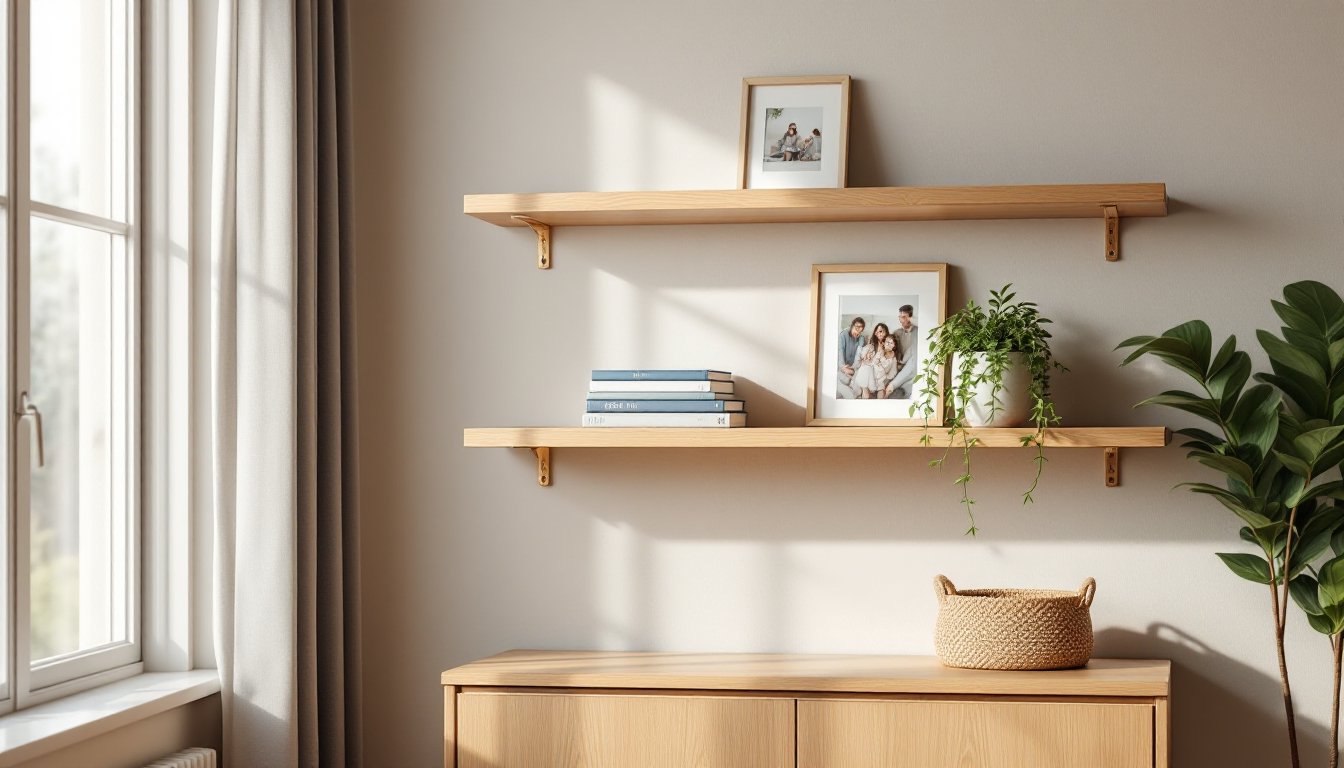
Clutter creeps into bedrooms silently, a few stray books, clothes that don’t fit the dresser, hobby supplies with nowhere to land. Before long, the bedroom stops feeling like a retreat and starts feeling like a storage problem. Bedroom storage shelves solve this quietly and affordably. They pull double duty: reclaiming vertical space that sits empty above desks and dressers, while adding visual interest to blank walls. Whether you’re working with a shoebox apartment or a sprawling master suite, the right shelving transforms unused air into functional real estate. This guide walks through shelf types, selection criteria, and installation steps so you can add storage that actually fits your space and style.
Table of Contents
ToggleKey Takeaways
- Storage shelves for bedroom reclaim vertical wall space without sacrificing floor area, adding 10–20 square feet of functional storage in even the smallest rooms.
- Wall-mounted shelves cost $50–$300 and work best for targeted storage, while freestanding units ($150–$500) offer flexibility for renters and can be moved in minutes.
- Solid wood shelves ($30–$100 per shelf) deliver superior durability and style compared to engineered wood or MDF, which sag under heavy loads like books.
- Proper installation requires locating studs with a stud finder, using 2.5-inch wood screws for studs and heavy-duty anchors for drywall, and ensuring all brackets are level before attaching shelves.
- Distribute weight evenly across shelves and secure tall freestanding units to walls with L-brackets or cable systems to prevent tipping, especially in homes with children or pets.
Why Bedroom Storage Shelves Are Essential for Small Spaces
Small bedrooms operate on a geometry problem: limited square footage, fixed walls, and nowhere to expand outward. Vertical storage answers that constraint by using wall space that would otherwise stay bare. A set of shelves above a nightstand or dresser instantly gains 10 to 20 square feet of storage without eating floor space, crucial when every inch counts.
Beyond the math, shelves improve bedroom function. They keep nightstands clear (books, glasses, phone chargers belong on nearby shelves, not crammed on a 2-foot-wide surface). They corral hobby items, seasonal decor, and display pieces that would otherwise scatter across surfaces. In shared bedrooms, shelves carve out personal zones, each person claims a shelf for their own books, photos, and keepsakes.
Shelves also cost far less than renovations. A wall-mounted unit runs $50 to $300 depending on material and size: a freestanding unit typically costs $150 to $500. Drywall anchors and basic hardware are cheap. Compare that to building a walk-in closet, which easily tops $3,000, and shelves look like an obvious win.
Types of Storage Shelves for Bedrooms
Wall-Mounted Shelves
Wall-mounted shelves attach directly to studs or use heavy-duty drywall anchors (for walls without studs in the right spots). They span anywhere from 12 to 48 inches wide and sit 8 to 12 inches from the wall, leaving enough clearance for decor and books. Floating shelves, which hide the bracket hardware behind the shelf itself, give a cleaner look, though they do sacrifice some weight capacity compared to visible brackets.
Wall-mounted shelves work best for targeted storage: above a desk, beside a bed, or in an awkward corner. They’re easier to install than freestanding units (one person can handle it) and adapt to odd spaces. Load capacity typically ranges from 25 to 75 pounds per shelf, depending on bracket strength and anchor method. If you’re storing books or heavy collectibles, verify the rated capacity before filling. Resources like free DIY shelf plans offer clear designs for those who’d rather build custom shelves to exact dimensions.
Freestanding Shelving Units
Freestanding units stand on their own against a wall, no fastening required, though tipping safety becomes a concern if they’re tall and narrow. These typically measure 4 to 6 feet tall and come in widths of 24 to 36 inches. Wood, metal, and engineered composite options abound. They’re ideal for renters (no wall damage) and for people who like flexibility (move them anywhere in minutes).
The trade-off: freestanding units eat 12 to 18 inches of floor space. In tight rooms, that footprint matters. They also shift and wobble if not level or weighted evenly. Most units include a wall-mounting kit for safety: even if you rent, securing a tall unit to the wall with damage-free strips or removable anchors prevents tips. Freestanding units typically hold 100 to 200 pounds total across all shelves, less per shelf than wall-mounted systems, but more than enough for books, plants, and decor.
How to Choose the Right Shelves for Your Bedroom
Start with the space itself. Measure the wall where you want shelves: length, height, and distance from other furniture (windows, doors, radiators). Mark stud locations with a stud finder, studs run 16 inches apart in modern homes and offer the strongest anchor points. If studs don’t align with your ideal shelf placement, you’ll rely on drywall anchors, which work fine for light to moderate loads but aren’t ideal for heavy books.
Next, define your load. Are you storing lightweight decor, books, or collectibles? Books weigh roughly 1 pound per inch of spine, so a shelf holding 12 books easily exceeds 50 pounds. Plants, framed photos, and boxes add weight fast. Base your shelf choice on your actual cargo, not on aesthetics alone.
Material matters for both function and style. Solid wood shelves ($30 to $100 per shelf) look rich and feel sturdy: they accept paint or stain to match bedroom decor. Engineered wood or MDF (medium-density fiberboard) costs less ($15 to $40) but sags under heavy loads and doesn’t tolerate moisture well, not ideal for bathrooms, but fine for bedrooms. Metal and glass shelves suit modern aesthetics but show fingerprints and dust. Solid wood remains the safest bet for durability and appearance.
Budget and aesthetics round out the choice. Do you want minimalist floating shelves, visible industrial brackets, or decorative corbels? Visible brackets run $10 to $50 a pair: floating shelf hardware costs $20 to $80. Websites like IKEA Hackers showcase budget-friendly options and creative modifications if you’re open to upcycling or tweaking ready-made pieces. The Handyman’s Daughter offers beginner-friendly building tutorials if you’d rather DIY the entire shelf from lumber.
Installation Tips and Best Practices
Prep is everything. Clear the wall, patch any holes, and sand rough spots. Use a level and a pencil to mark the shelf line, go light so pencil erases cleanly. Mark bracket or anchor positions, then locate studs with a stud finder. If mounting to a stud, use 2.5-inch wood screws (they grip the solid wood firmly). For drywall-only mounting, use toggle bolts or heavy-duty anchors rated for your shelf weight: avoid cheap plastic anchors if the shelf will hold books.
Install brackets first, making sure they’re level before attaching the shelf. Tighten fasteners fully, a loose bracket shifts under load, and shifted shelves spell disaster. For floating shelves, follow the manufacturer’s instructions exactly: the mounting rail inside the shelf must be fully engaged with the wall bracket.
Once the shelf is up, distribute weight evenly. Don’t stack all books on one end: spread them across the shelf and alternate heavier items with lighter ones. Leave some breathing room, overstuffed shelves look chaotic and make items hard to find.
Safety: Secure tall freestanding units to walls with L-brackets or cable systems, especially if children or pets live in the home. Wear safety goggles when drilling to protect eyes from debris. Use a dust mask if you’re cutting or sanding wood. Ear protection isn’t usually needed for shelf installation, but wear it if you’re drilling multiple holes. Never stand directly below a shelf while fastening it to the wall, a dropped tool or falling bracket is a real hazard.
Conclusion
Bedroom storage shelves transform wasted wall space into functional, visible storage, cheap, fast, and permanent enough to last years. Whether you choose wall-mounted floating shelves for a clean look or a freestanding unit for flexibility, measure carefully, pick materials that match your load, and install with attention to anchors and leveling. Done right, shelves disappear into the room, you stop noticing them and start noticing the clutter that finally has a home.