
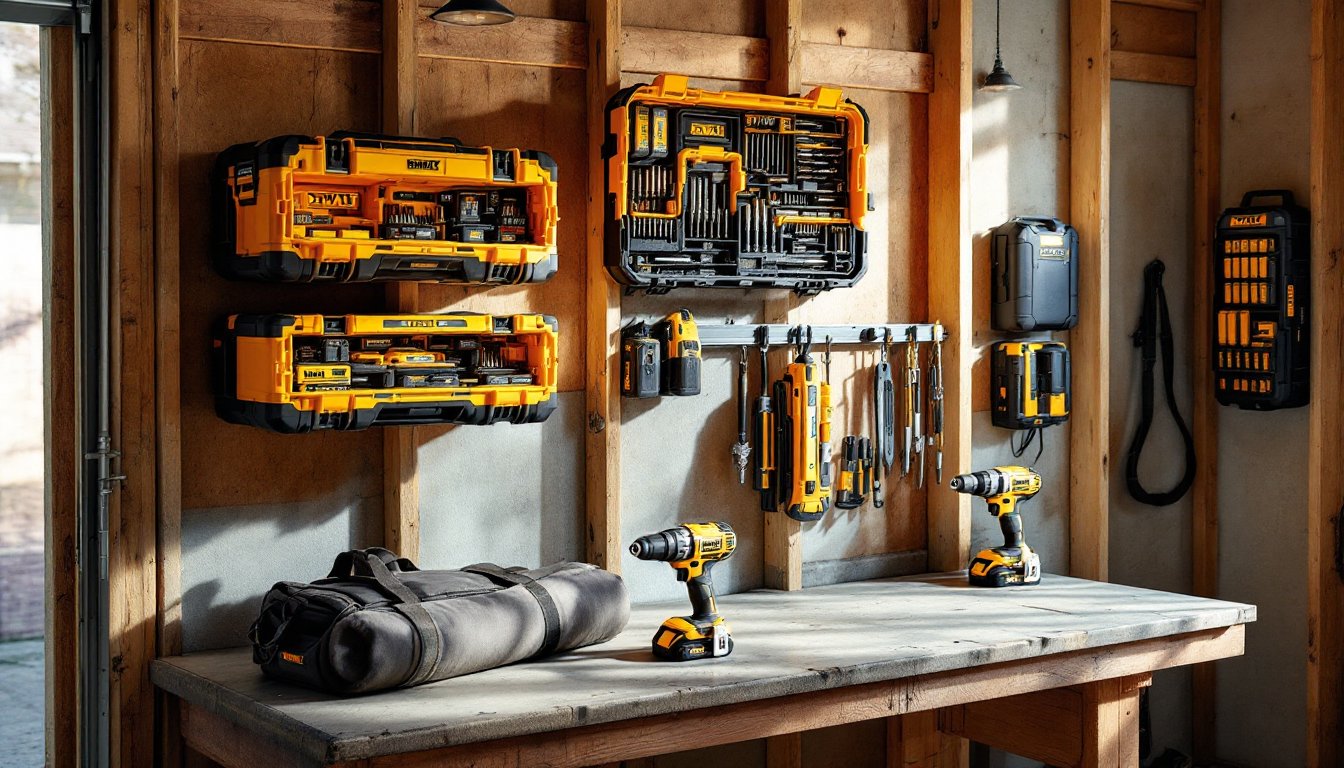
A well-organized workshop starts with proper DeWalt tool storage. Whether you’re a weekender tackling basement projects or a serious DIY enthusiast with a garage full of cordless drills and impact drivers, how you store your tools directly affects your productivity, and your safety. Thrown-together clutter leads to lost tools, damaged batteries, and frustrating project delays. This guide walks you through DeWalt’s storage system options and practical strategies to keep your tools accessible, protected, and ready to work whenever inspiration strikes.
Table of Contents
ToggleKey Takeaways
- Proper DeWalt tool storage protects expensive equipment from damage, extends battery lifespan, and prevents lost tools that disrupt project workflows.
- DeWalt’s ToughSystem modular cases offer cost-effective, scalable storage starting at $40–$100 per case, with wall-mounting options that maximize space efficiency without consuming floor area.
- Lithium-ion batteries require cool, dry storage between 50–80°F away from moisture and extreme temperatures to prevent rapid degradation and maintain performance.
- Vertical wall-mounted storage and compact canvas bags are ideal solutions for apartments and small garages, allowing complete tool organization in minimal space.
- Routine maintenance every 3–6 months—including battery inspections, dust removal, and rust prevention with steel wool and oil—significantly extends tool longevity and reliability.
Why Proper Tool Storage Matters
Tool storage isn’t just about neatness, it’s about workflow and protection. A disorganized shop forces you to hunt for the right impact driver or battery when you should be cutting, drilling, or fastening. That wasted time adds up fast.
DeWalt tools, especially battery-powered models, need climate-controlled storage away from extreme heat, cold, and moisture. Lithium-ion batteries degrade quickly in harsh conditions, and metal tools rust without proper protection. When your expensive cordless drill sits exposed on a shelf next to a damp basement wall, you’re shortening its lifespan by years.
Secondary benefit: a tidy storage system lets you see what you have at a glance. No more buying a second drill because you forgot where the first one was. This awareness also makes you a safer builder, you won’t grab the wrong tool out of frustration or grab it unsafely from a tangled pile.
DeWalt’s Storage System Options
ToughSystem and Modular Combinations
DeWalt’s ToughSystem is the flagship modular storage line. The basic unit is a stackable plastic case with reinforced corners, latches, and foam inserts. The real power comes from mixing and matching. Stack cases on top of each other, lock them together, and build a tower sized exactly for your needs. Many models feature removable foam trays: you carve out custom shapes for specific tools or leave them plain and drop in batteries, fasteners, or accessories.
The ToughSystem 2.0 (newer generation) improved durability and added a rail system so you can mount cases on walls or mobile bases. This is where the modular system shines: a wall-mounted tower keeps your most-used tools at arm’s reach without eating floor space. The plastic is heavy-duty but not military-spec: it’ll handle workshop bumps but won’t survive a drop from a roof.
Cost runs from about $40–$100 per case, depending on size and inserts. Building a complete wall-mounted system for a typical garage shop might run $300–$600 in cases alone, but you’re spreading that investment and only buying what you need.
Tool Bags and Carrying Cases
Not every tool lives in a stationary case. DeWalt canvas and ballistic nylon tool bags are the working option: you toss in a cordless drill, a level, a tape measure, and carry it to a job or between rooms. Many bags feature a stiff base so they stand upright on a workbench, and exterior pockets keep fasteners or bits from rattling loose inside.
Hard-sided carrying cases (molded plastic with foam inserts) protect sensitive tools like laser levels or circular saws during transport and storage. They cost more upfront, typically $50–$200 depending on size, but they’re genuinely worth it if you’re moving tools to different job sites or storing power tools long-term. The foam isolates tools and batteries from bumps and moisture.
Organizing Your DeWalt Tools at Home
Start by categorizing your tools: cordless drills and drivers, saws, sanders, batteries, chargers, and accessories (bits, blades, fasteners). Group like items together. A typical approach is to dedicate one ToughSystem case to batteries and chargers, another to bits and blades, and a third to frequently grabbed tools like a drill/driver and impact wrench.
Batteries are the crown jewel of your collection, protect them accordingly. Store lithium-ion batteries in a cool, dry space (50–80°F is ideal: avoid garages in extreme climates). Some tools come with battery organizers that clip to walls: these work fine if your garage stays climate-controlled. Otherwise, a dedicated case inside a climate-controlled closet or storage room is smarter.
Arrange your cases so the ones you use daily are at eye level and within arm’s reach. Reserve higher shelves for seasonal tools or backup equipment. Label each case on the front with a waterproof marker or printed label, don’t assume you’ll remember what’s in every box once you’ve got four or five stacked together.
If you use tools across multiple rooms (a drill for hanging shelves, a sander for refinishing furniture), a quality canvas bag stays packed and ready to move. This approach beats hunting for individual tools scattered throughout the house.
Maximizing Small Spaces
Apartment dwellers, urban homeowners, and anyone with a tight garage know the squeeze: where do you fit a complete tool collection without turning your space into a metal jungle?
The answer is vertical storage. A wall-mounted ToughSystem rail system bolts to studs in a garage, basement corner, or laundry room. Stack cases 2–3 high, and you’ve created a compact tower that occupies maybe 3 feet of wall space but holds as much as a large shelving unit. No floor footprint, and everything’s visible and accessible.
Slim canvas tool bags and compact cases are your friends in tight quarters. DeWalt offers smaller-format bags and cases that hold your most-used items, a cordless drill, impact driver, level, and tape measure, without sprawling. A single compact case tucked into a closet shelf or under a workbench beats scattered tools everywhere.
Another approach: use the space above or below a workbench. Wall-mounted pegboards paired with smaller ToughSystem cases or hooks let you hang frequently used tools while storing cases on shelves below. This stacks storage without consuming extra square footage. The Popular Mechanics team has published thoughtful workshop organization strategies that pair storage tactics with workspace layout, so check those out if you’re redesigning a room.
Maintenance and Longevity Tips
Proper storage protects your investment. Every three to six months, open your cases and inspect. Batteries should show no bloating or corrosion on contacts. Brush off dust, and wipe metal tool surfaces with a dry cloth. Rust spots on chisels or saw blades? A quick pass with 0000 steel wool and a thin coat of machine oil prevents deep pitting.
Keep your tool cases clean and dry. If a case gets wet (say, from a garage leak), open it fully and let it air-dry for a day before storing tools again. Trapped moisture breeds rust and mold. If your garage temperature swings wildly, consider a small battery-powered dehumidifier in winter months, it’s cheap insurance against corrosion.
Rotate batteries in and out of rotation. Don’t let one battery sit unused for six months while another gets hammered weekly. Lithium-ion cells degrade whether you use them or not, but steady, moderate use keeps them healthier than being parked in storage. If you own multiple batteries, use them in sequence.
Check latches and hinges on cases once a year. A broken latch means your case pops open mid-carry, spilling tools everywhere. Replace worn foam inserts if they’re compressing flat, good foam keeps tools separated and protected. A DIY storage cabinet project can also extend your organization capabilities if you’re handy enough to build a dedicated tool cabinet, and Instructables has step-by-step guides for custom workshop storage if you want to build rather than buy.