
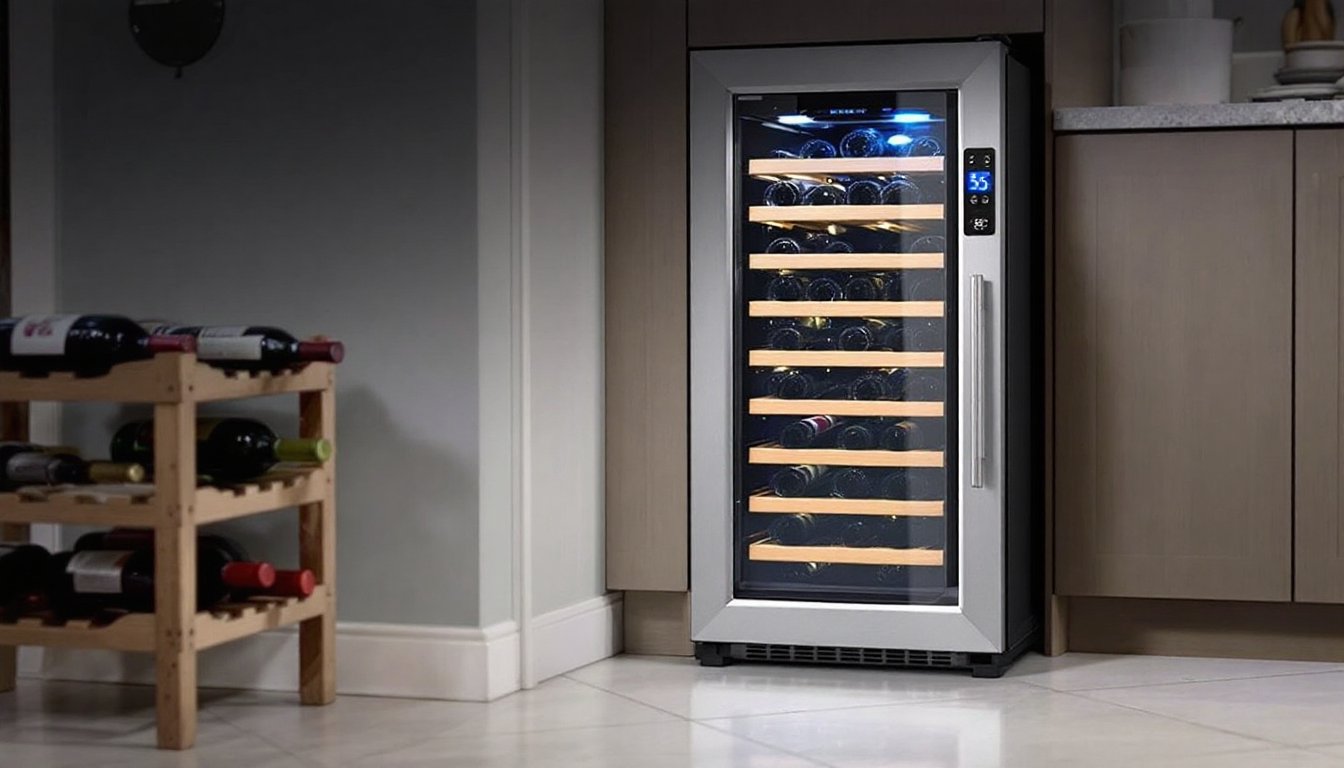
A regular kitchen refrigerator isn’t built for wine. The constant temperature fluctuations, vibrations from the compressor, and dry interior air can spoil bottles faster than you’d think. A dedicated wine storage refrigerator maintains stable conditions, steady temperatures, proper humidity, and UV protection, that keep wine tasting as intended, whether you’re storing a dozen bottles or building a serious collection. This guide walks you through what makes a wine fridge work, what features matter most, and how to set one up so your investment in quality wine actually pays off.
Table of Contents
ToggleKey Takeaways
- A dedicated wine storage refrigerator maintains stable temperatures within ±2°F and proper humidity levels (50-80%), preventing cork failure and oxidation that regular kitchen fridges cause.
- Choose a dual-zone wine refrigerator if you store both red and white wines, as reds require around 55°F while whites perform best at 45°F.
- Proper placement away from direct sunlight, heat sources, and with 3-4 inches of clearance on all sides is essential for optimal performance and compressor longevity.
- UV-filtered tempered glass doors and sealed construction protect wine from light degradation and maintain humidity control over time.
- Regular maintenance, including monthly interior cleaning, quarterly gasket checks, and annual coil inspections, ensures your wine refrigerator operates reliably for years.
- Allow new wine coolers 24 hours of upright acclimatization before powering on to prevent compressor damage and ensure proper refrigerant settling.
Why You Need a Dedicated Wine Refrigerator
Wine is sensitive. Temperature swings, even small ones, cause the liquid inside to expand and contract, pushing cork seals open and letting air in. That oxidation kills the wine’s intended flavor profile. A kitchen fridge cycles on and off, swinging 10-15 degrees Fahrenheit between cycles. A wine refrigerator holds temperatures within 1-2 degrees of your set point, around 45-65°F depending on the wine type.
The humidity matters too. Cork-sealed bottles need steady 50-80% humidity: too dry, and the cork shrinks and fails. A standard fridge’s low humidity, typically 30-40%, dries corks out in weeks. Vibrations from your fridge’s compressor also stress wine, disturbing the sediment and agitation inside the bottle. Wine cooling units are either thermoelectric (silent, no vibration) or compressor-based with better insulation and quieter operation than household fridges.
If you own bottles worth more than the fridge itself, a dedicated unit is non-negotiable. Even casual collectors who buy a few quality bottles each month benefit from proper storage conditions that preserve flavor and value.
Key Features to Look For in a Wine Storage Refrigerator
Temperature Control and Stability
Look for refrigerators with a dual-zone option if you store both red and white wines. Reds sit best around 55°F, whites closer to 45°F. Single-zone units default to 50-55°F, a compromise temperature that works reasonably well for mixed collections, though not ideal for either style. Digital controls with LED readouts let you monitor and adjust easily: mechanical dials are cheaper but less precise.
Temperature stability is measured by variance, the industry standard is ±2°F or better. Check the specs before buying. Thermoelectric coolers are vibration-free but can struggle in warm rooms: compressor-based units handle ambient heat better and offer stronger cooling power. A compressor unit rated for your climate will maintain set temperature more reliably.
Humidity and UV Protection
Humidity control is trickier. Most wine fridges achieve it passively, sealed interiors and good insulation maintain whatever moisture you introduce. Some models include humidity trays or water reservoirs. Keep humidity between 50-80%: you can measure it with a cheap hygrometer ($10-20) placed inside.
UV light degrades wine over time, breaking down compounds and causing premature aging. All glass doors filter some UV, but tempered or tinted glass is better. Solid doors with an interior light offer maximum protection. Wooden door frames also block light edges better than metal. Quality models include both tempered glass and proper door seals to block light leakage.
Best Placement and Installation Tips
Location affects performance and longevity. Install your wine fridge away from direct sunlight and heat sources, windows, ovens, and radiators will force the cooling system to work harder and shorten its lifespan. A kitchen corner or wine closet is ideal: basement placement works if humidity and temperature are controlled.
Air circulation around the unit matters. Leave at least 3-4 inches of clearance on the sides, back, and top. Don’t shove it into a tight cabinet space, trapped heat makes the compressor cycle constantly, driving up energy use and shortening the unit’s life. If you’re building a wine closet or bar area, plan for ventilation.
Door swing direction is worth thinking through. A door that opens toward your traffic flow is more convenient than one that blocks the fridge. Some models offer reversible hinges, giving you flexibility. Placement on a level floor prevents the door from drifting open and helps maintain an even internal temperature.
Electrical outlet placement should be stable, away from water sources. Don’t use an extension cord long-term if avoidable: a dedicated outlet is cleanest. Vibration isolation, placing the fridge on a rubber mat or isolation pads, reduces noise transmission to surrounding floors and walls, especially important if your wine storage borders a living area.
Maintenance and Care for Long-Term Performance
Start with acclimatization before filling the fridge. New units need 24 hours sitting upright before powering on, especially if they were transported on their side. This allows refrigerant and oils to settle. Skipping this step risks compressor damage.
Clean the interior monthly with a damp cloth, no harsh cleaners or solvents that can damage seals. Wipe down the glass door weekly if it gets dusty: clarity matters both for showing off bottles and for seal integrity. Check the door gasket quarterly: clean it gently with a damp cloth and make sure it seats flush all around. A failing gasket lets warm, dry air in and wastes energy.
Temperature fluctuations suggest a problem. If variance exceeds ±3°F regularly, the thermostat may be failing or the compressor struggling. A sudden spike or drop warrants inspection, faulty seals, clogged vents, or refrigerant leaks are common culprits. Have a service tech check it rather than guessing: DIY refrigerant work isn’t safe or legal without certification.
Coils collect dust over time. Check the front-facing vents every six months: vacuum gently if needed. For rear or side coils, unplug the fridge and use a long brush or coil-cleaning tool ($15-30). Dirty coils force the compressor to work harder, consuming more electricity and generating heat that can affect performance. Industry experts recommend annual professional servicing for compressor-based units.
Conclusion
A wine refrigerator protects your bottles and lets you build a collection with confidence. The right unit matches your climate, budget, and space constraints, not every collector needs a 100-bottle showpiece, and a quality 12-20 bottle fridge works just fine for casual enthusiasts. Focus on temperature stability, sealed construction, and proper placement, and your wine will taste exactly as the winemaker intended when you open it.