
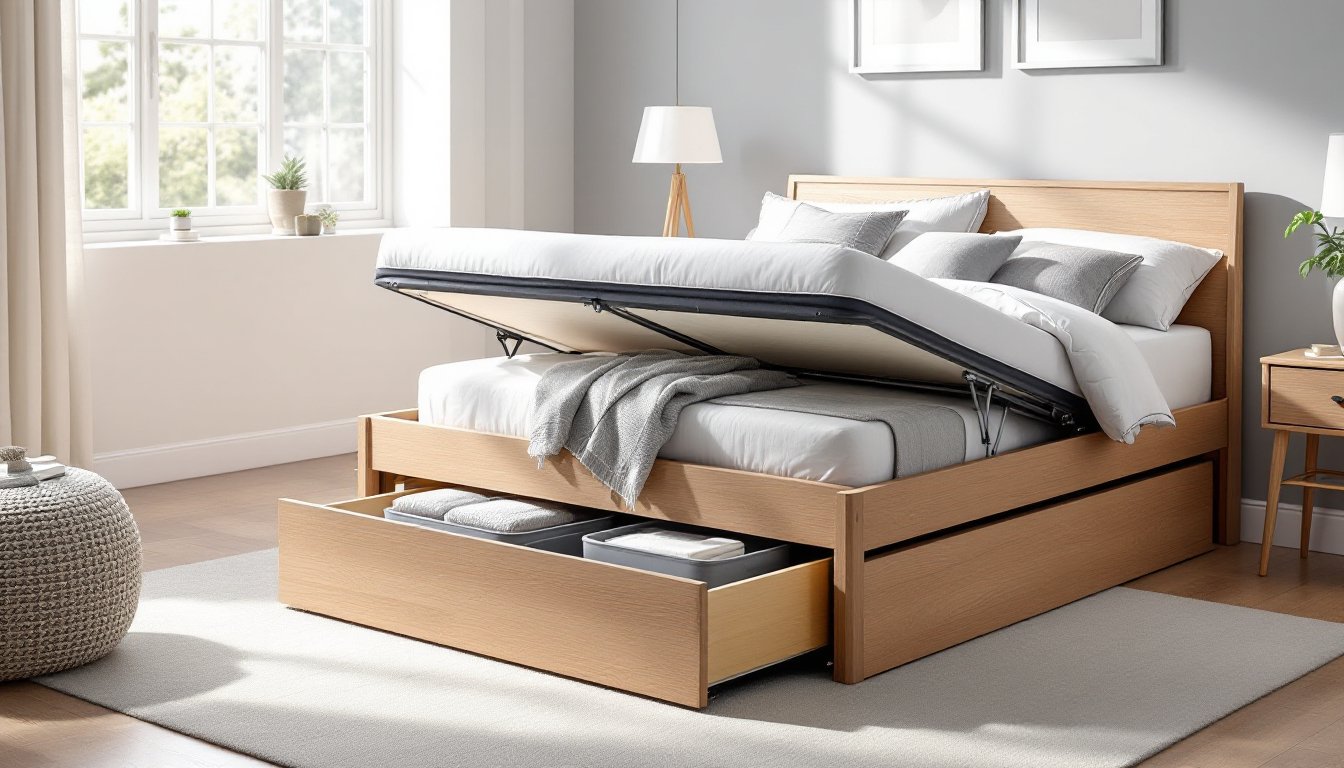
A full-size storage bed frame is one of the smartest investments a homeowner can make when bedroom real estate is tight. Instead of a bed that just sleeps you, a storage bed frame adds valuable drawer space, shelving, or underbed storage that works as hard as you do. Whether you’re furnishing a guest room, downsizing, or simply maximizing a smaller master bedroom, a storage bed frame delivers both functionality and style. This guide walks you through what these frames are, why they matter, and how to pick the right one for your space and needs.
Table of Contents
ToggleKey Takeaways
- A storage bed frame full-size combines sleeping space with integrated drawer or shelving storage, saving bedroom real estate by eliminating the need for separate dressers and storage furniture.
- Storage bed frames come in multiple styles—drawer-based, open shelving, hydraulic lift, and DIY builds—allowing you to match your storage needs and room aesthetics.
- Quality construction matters: solid wood or plywood frames last 10+ years, while particle board alternatives fail faster; aim for frames with at least 500-pound weight capacity.
- Before purchasing, measure your doorway, hallway, and ceiling height to ensure the bed (typically 54″ wide × 75″ long × 30–40″ high) fits your space and delivery route.
- Regular maintenance—monthly vacuuming of drawers, twice-yearly lubrication of slides, and periodic bolt checks—keeps your storage bed functioning smoothly for years.
- A quality full-size storage bed costs $300–$800 and provides 20–30 cubic feet of storage, making it more budget-friendly than buying a separate bed plus multiple storage furniture pieces.
What Is A Storage Bed Frame?
A storage bed frame is a bed structure with integrated storage built directly into its design. Unlike a standard frame that sits on legs or a simple platform, a storage bed uses the space underneath or alongside the mattress for drawers, shelves, or cubbies. Most full-size storage beds feature one or more pull-out drawers on casters (roller wheels) positioned at the foot of the bed, though some designs include side compartments or open shelving.
They come in several construction styles. Platform storage beds sit flat on a solid base with drawers built into the frame itself. Pedestal-style frames have a center column supporting the mattress, with storage compartments flanking both sides. Drawer-under designs feature shallow or deep drawers that slide out from beneath the mattress platform. Each style maximizes different amounts of usable storage while maintaining a standard full mattress footprint (54 inches wide by 75 inches long).
Storage beds are available in wood, metal, upholstered, or hybrid materials. Wood options range from budget-friendly particle board to solid hardwood or plywood construction. Metal frames tend to be lighter and more affordable, while upholstered versions add a softer aesthetic to the bedroom. The key is matching the construction quality and material to your household’s weight demands and decor.
Key Benefits Of Choosing A Full-Size Storage Bed
Maximizing Bedroom Space
The primary appeal of a full-size storage bed is reclaiming otherwise wasted floor space. A typical bedroom doesn’t have spare square footage, so a storage bed eliminates the need for a separate dresser, filing cabinet, or closet extension. Those drawers hold seasonal clothing, extra bedding, pillows, or items you need accessible but not on display. A full-size frame with two deep drawers stores 20–30 cubic feet of items, equivalent to a small filing cabinet plus a clothing hamper.
You avoid the cramped, cluttered feeling that comes from stacking boxes under a regular bed or jamming items into closets. Everything stays organized, visible when you open the drawers, and protected from dust or damage.
Cost-Effective Storage Solutions
Compared to buying a separate bed and storage furniture (nightstands, dressers, or shelving units), a storage bed is a budget-friendly consolidation. A quality full-size storage bed with drawers typically costs $300–$800, depending on material and construction. A separate dresser, nightstand, and underbed storage containers could easily exceed that total. You’re not paying for extra legs, frames, or assembly labor on multiple pieces, just one unified structure.
Over time, the durability of well-made storage beds also saves money. A solid wood or quality plywood frame lasts 10+ years with normal use, while cheaper alternatives may sag or show wear after 3–5 years. Investing upfront in decent construction prevents the false economy of replacing a sagging frame too soon.
Types Of Storage Bed Frames For Full Beds
Drawer Storage Beds are the most common. They feature one or more large drawers mounted on casters that slide smoothly under the bed platform. Depths range from shallow (12 inches) to deep (20+ inches), letting you choose based on what you’re storing. Most drawer beds have two drawers, one on each side, but some designs offer four shallow drawers or a single long drawer spanning the width. The drawers typically support 50–100 pounds each, so check load ratings if you’re storing dense items like books or winter boots.
Shelving or Open Cubbies offer a different aesthetic. Instead of concealed drawers, these frames have open shelves or compartments built into the base or sides. They’re ideal if you want to display decor, baskets, or frequently used items. But, they expose contents to dust, so this style works best for homes without pets or excessive airborne particles. Open storage also requires neater organization since everything is visible.
Hydraulic Lift or Upholstered Beds represent the premium tier. These frames feature a motorized or spring-assisted platform that lifts to reveal a huge storage cavity underneath, essentially the entire underbed space becomes accessible. They’re pricier ($1,200–$3,000+) but perfect for small apartments or homes where every square inch matters. Upholstered versions add fabric covering for a finished, bedroom-suite appearance.
DIY or Custom Builds are an option if you enjoy woodworking. Free plans exist online, such as farmhouse storage bed designs with drawers, that guide you through building a sturdy frame from 2×10 or 2×12 lumber. This route gives you full customization and often costs less in materials ($150–$400) than a finished product, though it demands basic carpentry skills and proper tools.
How To Choose The Right Storage Bed Frame
Start with your storage needs. Do you need daily-access drawers, or is this seasonal off-season storage? Deep drawers work for bulky items: shallow drawers suit shoes or small items. Open shelving suits decor-conscious rooms: closed drawers hide clutter. Measure what you plan to store and choose drawer depth accordingly.
Check the construction and weight capacity. A full-size mattress plus bedding and a sleeping person weighs 200–400 pounds depending on mattress type and occupant. The frame must support this without sagging. Look for solid wood, plywood, or high-quality engineered wood construction. Avoid particle board or MDF for anything supporting daily weight: these materials fail under sustained load. The label should state weight capacity, aim for at least 500 pounds to ensure durability.
Measure your doorway and staircase. This is easy to forget but critical. A full-size storage bed is large. Verify it fits through your bedroom door and any hallways or stairwells on the delivery route. Most full beds are roughly 54″ wide × 75″ long × 30–40″ high depending on design. If delivery is tight, confirm the retailer can disassemble and reassemble, or budget for professional delivery services.
Consider bedroom height and aesthetics. Storage beds sit higher than standard frames due to the drawer mechanisms or storage compartments, often 18–24 inches off the ground. This can make the room feel less spacious visually. In low-ceiling rooms or minimalist decor, this extra height matters. Conversely, higher frames make cleaning under the bed easier and can feel more open.
Material and finish. Solid wood frames look upscale and last longest but cost more. Metal frames are affordable and durable but may feel institutional. Upholstered frames add luxury but require fabric care (vacuuming, spot-cleaning). Woodworking project tutorials can help if you want to refinish or customize a frame you find used.
Budget and return policy. Factory defects happen. Ensure the retailer offers a 30-day return or exchange window and check if assembly is included. Shipping heavy furniture is expensive: some retailers waive shipping on orders over a certain amount.
Maintenance And Care Tips
Keeping your storage bed functioning smoothly is straightforward. Vacuum or sweep inside the drawers monthly to prevent dust and debris from clogging the casters. A quick pass with a handheld vac or broom keeps things clean and prevents drawer sticking.
Lubricate drawer slides twice a year with a silicone-based lubricant spray (never WD-40, which attracts dust). Spray lightly on the metal slides, then open and close the drawer a few times to distribute the lubricant. This keeps gliding smooth and prevents squeaks.
Don’t overload drawers. Most rated drawers hold 50–100 pounds. Distribute weight evenly, don’t pile everything in one corner. An overloaded drawer derails easily and can bend the slides or casters. If your stored items feel heavy, use two drawers instead of one.
Check for wobbling or movement every 6–12 months. Tighten bolts and screws at the frame joints if they loosen from use. A sturdy bed frame should not shift when you sit on the edge or push against the headboard. If it does, the connection points need reinforcement.
Protect the wood or finish. Dust the frame regularly with a soft cloth. For wood frames, use furniture polish or a wood cleaner appropriate to the finish (lacquer, stain, veneer, etc.). For upholstered frames, vacuum with an upholstery attachment and address spills immediately with a damp cloth and mild soap. Protect from direct sunlight to prevent fading or warping.
Store items sensibly. Use bins or dividers inside drawers to keep contents organized and prevent shifting during movement. Avoid storing anything damp or prone to off-gassing (wet clothes, new plastic items with strong odors) in enclosed drawers, ventilation is limited. Building a workshop and understanding tool storage applies equally to organizing bedroom storage: proper containment prevents damage.