
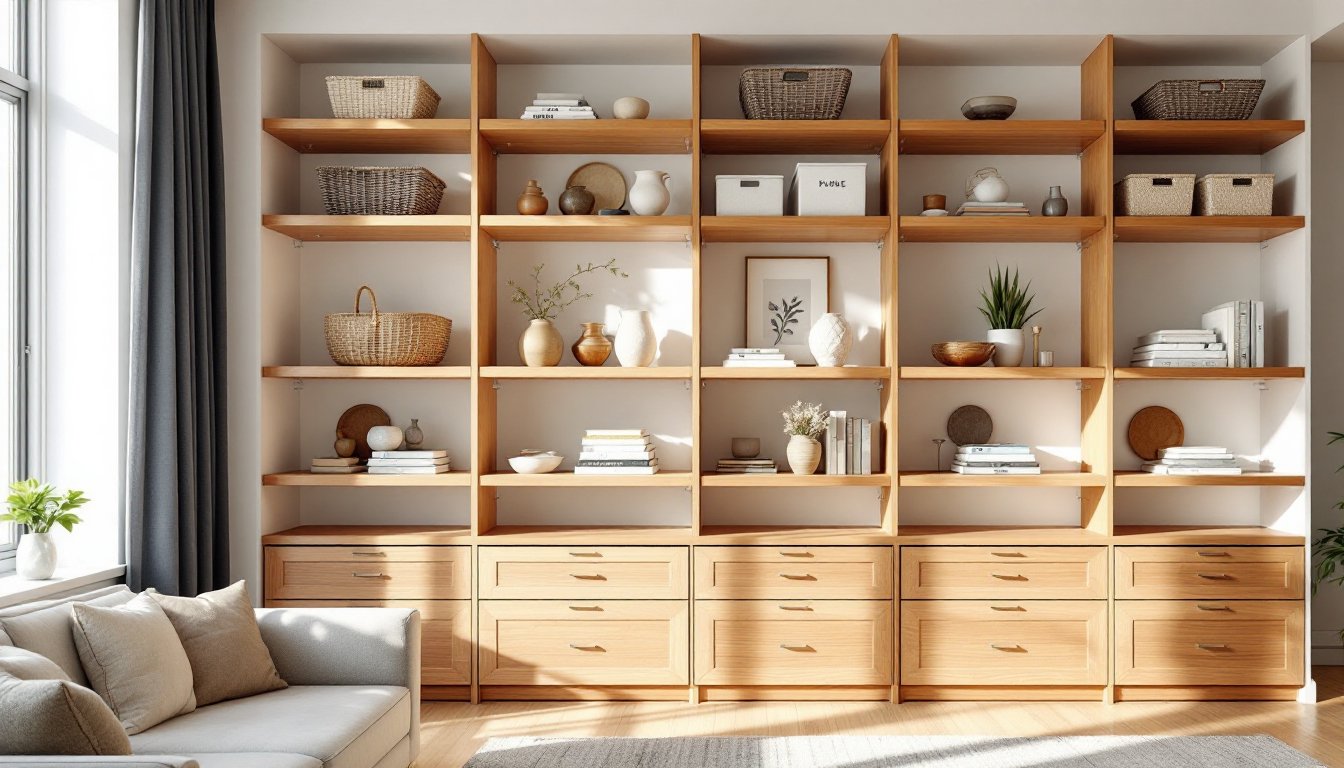
Built-in storage is one of the smartest investments a homeowner can make, combining functionality with long-term home value. Unlike freestanding furniture that eats floor space and limits design flexibility, built-in storage solutions integrate seamlessly into your walls, niches, and underused corners, making every square inch count. Whether you’re tackling a kitchen pantry, bedroom closet, or living room shelving project, built-in storage addresses the real challenge most homes face: clutter without purpose. This guide walks you through why built-ins matter, where they work best, and how to execute projects that actually fit your lifestyle and budget.
Table of Contents
ToggleKey Takeaways
- Built-in storage maximizes usable space, adds measurable resale value, and integrates seamlessly into walls and corners without consuming floor space.
- Kitchen pantries work best with adjustable shelving spaced 12 to 14 inches apart, while frequently accessed items should sit at shoulder height (48 to 60 inches from the floor).
- Bedroom built-ins like window seats, under-bed storage, and walk-in closets with double-hang rods transform small spaces by eliminating the need for freestanding furniture.
- DIY floating shelves and basic cabinet projects cost $300–$800 in materials compared to $2,000+ for professional installation, but load-bearing walls and electrical relocation require professional assessment.
- Design your built-in storage around your actual belongings—measure stacked items, appliances, and collections—rather than aesthetic inspiration to ensure functionality matches form.
- Combine open and closed storage sections, use contrasting finishes or paint colors, and add adjustable shelving to keep your built-ins flexible as your lifestyle changes.
Why Built-In Storage Is a Game-Changer for Modern Homes
Built-in storage solves two problems simultaneously: maximizing usable space and anchoring a room’s design. A floating bookcase or wall-mounted shelving system looks cleaner and makes small rooms feel larger than heavy cabinets pushed against walls. They also add measurable resale value, potential buyers see smart design and intentional layout, not improvised clutter management.
Beyond aesthetics, built-ins reduce maintenance headaches. Dust doesn’t accumulate underneath shelves the way it does with furniture legs. They’re also safer in homes with kids and pets since they’re anchored directly to studs and won’t tip if climbed on. From a practical standpoint, built-in storage lets you customize depth, height, and compartments to match actual items, shoes, linens, canned goods, art supplies, instead of forcing possessions into standard furniture sizes.
The third win is longevity. A solid wood built-in shelf or cabinet can outlast several generations of particleboard bookcases. You’re investing in your home’s infrastructure, not renting temporary storage space.
Popular Built-In Storage Ideas for Every Room
Kitchen and Pantry Solutions
Kitchen storage sets the tone for functionality and flow. The most effective built-in solution is a walk-in or reach-in pantry with adjustable shelving installed 12 to 14 inches apart vertically, standard spacing that accommodates cereal boxes, canned goods, and small appliances without wasted height. If you lack dedicated pantry space, consider a shallow (10- to 12-inch-deep) cabinet tower flanking your refrigerator or tucked beside the stove.
Drawer dividers and pull-out baskets transform dead pantry corners into accessible zones. Vertical spice racks or deep drawer inserts keep frequently used items visible and reachable. For islands or kitchen ends, closed-bottom cabinets hide small appliances and bulk storage, while open shelving above displays cookbooks or everyday dishes. Kitchen design ideas often prioritize accessibility, so ensure frequently grabbed items sit at shoulder height (around 48 to 60 inches from the floor).
Bedroom and Closet Designs
Bedroom built-ins typically focus on closets, but also consider window seats with storage cubbies beneath, they’re functional and add architectural character. Standard closet shelving runs 12 inches deep: double-hang rods (upper and lower rails) maximize vertical space in narrow closets. Walk-in designs benefit from a central island with shelving or drawers, flanked by hanging rods on both sides.
Under-bed storage solutions are underrated: a low platform with drawers or roll-out bins captures dead space. Built-in nightstands or headboard shelving eliminates the need for separate furniture and cleans up the room visually. Many small space living solutions rely on strategic bedroom storage to free up floor area and create breathing room in tight quarters.
DIY Built-In Storage Projects for Budget-Conscious Renovators
Simple shelving is the best starting point. Floating shelves mounted to wall studs are achievable with basic tools: a stud finder, level, drill, and 2.5-inch lag bolts or heavy-duty shelf brackets. Locate studs, mark mounting points, drill pilot holes, and secure brackets with appropriate hardware, concrete or drywall anchors work for non-load-bearing walls, but studs provide superior strength.
For cabinet bases, standard plywood (¾-inch) with a 1×2 face frame offers rigidity and a finished look. Cut shelves to size, secure with wood screws or pocket hole joinery (a Kreg jig makes this easier), and add adjustable shelf pins or dados for repositioning. If your drywall isn’t perfectly level, and it rarely is, shim the frame as you install it.
Box closet organizers are next-level beginner projects: build basic 2×4 frames, clad them with plywood sides, add a clothes rod and shelves inside, and finish with paint or wood stain. You’ll need a circular saw or miter saw (miter saws deliver cleaner cuts on repetitive angles), a drill-driver, and a level. Most DIY closet systems cost $300–$800 in materials versus $2,000+ for professional installation.
Be honest about scope. Load-bearing walls, plumbing or electrical relocation, and built-ins deeper than 24 inches often require permits or a professional assessment. Check with your local building department before starting: the fee ($50–$150) beats the cost of tearing down improper work.
Design Tips for Maximizing Your Built-In Storage Impact
Start by auditing what you actually store. Don’t design around Pinterest photos: design around your belongings. Measure the height of stacked sweaters, the width of your printer, the depth of your board game collection. Built-ins fail when they’re aesthetically stunning but functionally awkward.
Finish matters more than you’d expect. Paint built-in shelves the same color as walls to visually expand the room, or contrast them for focal-point drama. Stain unfinished wood to match existing trim or cabinetry. Creative built-in storage solutions often layer textures, pairing natural wood shelves with painted frames, metal hardware, or glass doors creates visual interest without clutter.
Ventilation and access are underrated. Leave gaps between stacked items for air circulation and easy retrieval. Avoid dark corners where items disappear: use baskets, labeled bins, or lighting strips to keep everything findable. Adjustable shelving beats fixed shelves, life changes, and your storage should flex accordingly.
Use baskets, boxes, or drawer fronts to hide less-attractive items. Open shelving works for cookbooks or decorative objects: closed cabinets contain the chaos of kids’ toys, tools, and seasonal gear. The visual balance between open and closed storage creates a polished, intentional look.
Conclusion
Built-in storage transforms how your home functions and feels. It reclaims wasted space, reduces visual clutter, and adds lasting value, qualities freestanding furniture simply can’t match. Start with one room, measure twice, and remember that solid planning beats rushing into installation. Whether DIY or professionally installed, built-ins are worth the effort.