
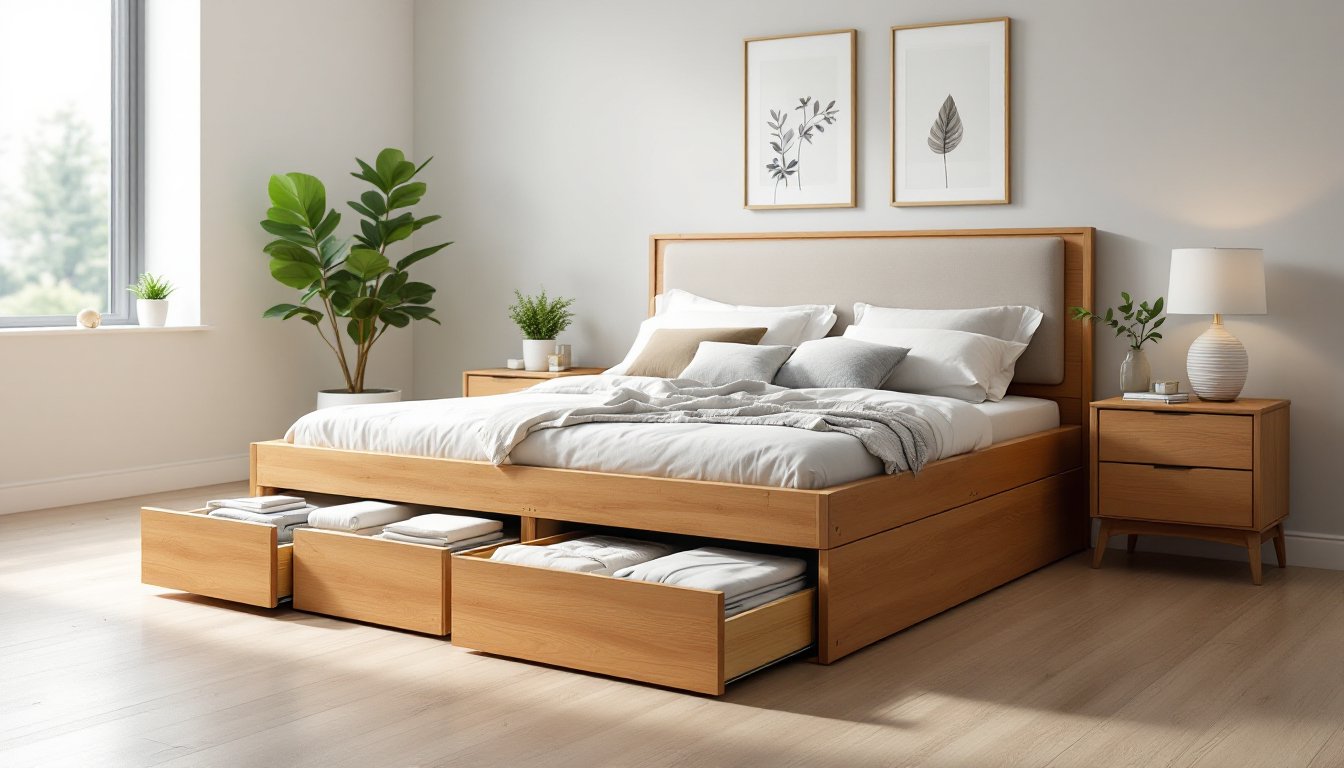
A captain’s bed with storage transforms a bedroom from cluttered to calm by combining sleeping and storage in one compact footprint. These platform-style beds sit lower than traditional frames and feature built-in drawers, shelves, or cubbies underneath, perfect for kids’ rooms, guest bedrooms, or smaller master suites where every square inch counts. Whether you’re furnishing a new home or refreshing a cramped bedroom, a captain’s bed delivers practical function without eating up floor space. This guide walks you through what makes these beds work, how to pick the right one, and what to know before bringing one home.
Table of Contents
ToggleKey Takeaways
- A captain’s bed with storage combines sleeping and sleeping surfaces in one compact footprint, offering 40 to 60 cubic feet of storage capacity equivalent to multiple dressers.
- Captain’s beds sit 12 to 18 inches off the floor, making rooms feel more spacious than traditional frames while reducing visual clutter and maximizing floor space.
- Quality construction matters: choose solid wood with full-extension ball-bearing drawer slides, mortise-and-tenon joinery, and a minimum weight capacity of 1,000 to 1,500 pounds for durability.
- Room dimensions and doorway measurements are critical before purchasing—measure carefully to ensure the bed fits through hallways and doesn’t dominate your visual space.
- Proper ventilation under the mattress prevents mold and moisture damage, especially in humid climates, while even weight distribution and desiccant packets keep stored items fresh and protected.
- Building your own captain’s bed with storage from quality woodworking plans costs $200 to $500 and takes a weekend, offering a budget-friendly alternative to ready-made furniture.
What Is a Captain’s Bed and How Does It Save Space
A captain’s bed is a platform bed frame, typically sitting 12 to 18 inches off the floor, with a low profile and integrated storage underneath. Unlike traditional beds with exposed legs and an open crawl space, captains beds use that void efficiently with drawers, shelves, or cabinets built right into the frame.
The height difference matters. A standard bed frame is usually 24 to 30 inches tall from floor to mattress top: a captain’s bed brings that down, making the room feel more spacious and less cluttered. The bed itself becomes visual negative space rather than a bulky furniture anchor.
Storage efficiency is the real win. A queen-size captain’s bed can tuck away 40 to 60 cubic feet of bedding, clothes, toys, or seasonal items, equivalent to a large dresser or two. In a 10-by-12-foot bedroom, that reclaimed floor space is the difference between cramped and livable. This is why captains beds are standard in military housing, college dorms, and small apartments.
Key Design Features That Make Storage Integration Work
The best captain’s bed designs balance accessibility with structural integrity. The frame sits on a plywood platform (not individual slats), which distributes weight evenly and prevents drawers from racking or binding over time. Look for mortise-and-tenon or pocket-hole joinery on the frame corners, this keeps the bed rigid when kids jump or drawers get yanked open repeatedly.
Drawer slides matter more than they sound. Full-extension ball-bearing slides cost a few dollars more but let you pull drawers all the way out and close them smoothly. Cheaper friction slides stick and jam, especially after six months of use. If you’re building or buying, drawer depth should never exceed 24 inches to avoid back strain when reaching deep items.
Ventilation is easy to forget but keeps your mattress dry. A captain’s bed frame should have small gaps or a slatted platform (not solid plywood) at the mattress interface. Without airflow, moisture gets trapped and promotes mold, particularly in humid climates or if water spills happen.
Popular Storage Options and Configurations
Drawers are the most common. A queen captain’s bed typically has four to six drawers (two to three per side). Standard drawer height is 8 to 10 inches, which holds linens, seasonal clothes, or toys. Deeper drawers (12 inches) work for bulkier items but require more elbow room to load and unload.
Shelving and cubbies offer open storage for books, decorative bins, or items you want to see at a glance. These take less depth than drawers and are easier to clean around. Shelves must support live load (not just weight sitting on them), each shelf should handle 50 pounds minimum without flex.
Headboard storage combines shelves or small cubbies behind the pillow area. This works well for small bedrooms where floor space is tight, though it reduces wall clearance and can feel claustrophobic if overstuffed.
Combination designs blend drawers and shelves or add a small desk on one end. These are pricier but maximize function in one footprint.
Best Captain’s Bed With Storage for Different Room Sizes
Room dimensions drive bed choice. A twin captain’s bed (39 inches wide, 75 inches long) fits snugly in a 10-by-12-foot room and leaves walking space along two walls. Twin beds typically have two to four drawers, giving 20 to 30 cubic feet of storage, enough for a child’s clothes and toys.
A full-size captain’s bed (54 inches wide, 75 inches long) works in a 12-by-14-foot bedroom or larger. Full beds usually have four to six drawers and work well for guests or adult sleepers who want more width than a twin. Storage capacity jumps to 40 to 50 cubic feet.
Queen captain’s beds (60 inches wide, 80 inches long) demand at least a 14-by-16-foot room to avoid feeling cramped. Queens have six to eight drawers and offer the most storage, ideal for master bedrooms or guest rooms doing double duty. But, assembly and placement are more involved: queen beds often need to be delivered in pieces.
Before buying, measure your doorways and hallways. A queen frame built as one unit may not fit through a narrow stairwell. Many quality captain’s beds come flat-packed or are assembled on-site for this reason.
Ceiling height also matters. A low captain’s bed under an 8-foot ceiling feels fine: under a 7-foot sloped attic room, it can feel oppressive. Check sightlines from the doorway and from inside the room, the bed shouldn’t dominate your visual space.
Material and Build Quality Considerations
Solid wood (oak, pine, or maple) beats particleboard for durability and resale value. A captain’s bed built from 1-inch solid pine or hardwood will last 15 to 20 years with normal use: particleboard frames often fail after 5 to 8 years due to screw creep (fasteners loosening over time) and edge swelling from moisture. That said, solid wood costs 50 to 100 percent more upfront.
Particleboard and MDF (medium-density fiberboard) are fine for guest rooms or kids’ beds with modest wear. They’re lighter (easier to move), cheaper, and come in many finishes. Just ensure the frame has a plywood core, not thin veneer over hollow space. Check the product spec sheet, it should list material grades and weight capacity.
Finish type affects maintenance. Solid wood needs occasional staining or sealing to prevent dents and water marks. Painted finishes hide wear but chip if knocked hard. Laminate finishes are durable and easy to wipe clean, practical for kids’ rooms.
Weight capacity and stability are critical. A quality captain’s bed should support 1,000 to 1,500 pounds total (bed plus mattress plus occupant plus contents). If you plan to stuff drawers with heavy items like books or winter coats, verify the manufacturer’s specs. Under-rated beds develop structural flex that stresses joinery and makes drawers bind.
Look at joinery details. Beds using pocket holes, mortise-and-tenon, or dowel joinery last longer than those screwed into thin particleboard. If assembly is required, look for projects with step-by-step instructions, many quality woodworkers share detailed plans on sites like Ana White.
How to Choose and Install Your Captain’s Bed
Start with three firm measurements: doorway and hallway width (so the bed actually fits in your room), floor-to-ceiling height, and existing ceiling slope if in an attic. Sketch a scale floor plan and mark the bed’s footprint to see traffic flow and sight lines. This prevents “I love the bed but can’t walk to the closet” regret.
Decide whether you’re buying ready-made or building. Ready-made captain’s beds from established furniture makers are faster and come with warranties. Building your own (using free plans from sources like The Handyman’s Daughter) is cheaper, $200 to $500 for materials, and lets you customize size and storage layout. Building takes a weekend if you have basic woodworking skills and a circular saw or miter saw.
Installation steps depend on whether the bed is delivered assembled or flat-packed. Assembled beds require two people minimum to position and level: use shims under the frame feet if your floor slopes. Check level in both directions with a 2-foot level, even slight tilts cause drawer drift and premature wear.
Flat-packed beds arrive in sections. Lay out all parts before assembly, read instructions twice, and use the correct fasteners (not substitutes). Pocket-hole screws and wood glue hold better than nails. Attach the plywood platform securely, it’s the backbone of the whole structure.
Once installed, avoid sliding the bed across hardwood floors: it damages both floor and frame feet. Use furniture sliders or enlist a helper. Don’t overload drawers: a fully-loaded drawer can weigh 40 to 60 pounds and stresses the slides. Distribute weight evenly front-to-back so drawers close smoothly.
If your room is humid, place desiccant packets or moisture-absorbing products inside storage compartments to prevent mildew on stored textiles. Ventilation and periodic air circulation (crack a window or run a fan) keep everything fresh. Many builders overlook this and it costs nothing to prevent.
Conclusion
A captain’s bed with storage is one of the smartest investments for a space-conscious bedroom. It lowers visual clutter, provides honest capacity for linens and clothes, and works across nearly every room size when you measure carefully and pick the right footprint. Whether you buy or build, focus on solid joinery, full-extension drawer slides, and adequate weight capacity, those details separate a bed that serves you well for years from one that disappoints in months. If you’re handy with basic tools, building your own from detailed woodworking plans saves money and delivers exactly the layout you want.