
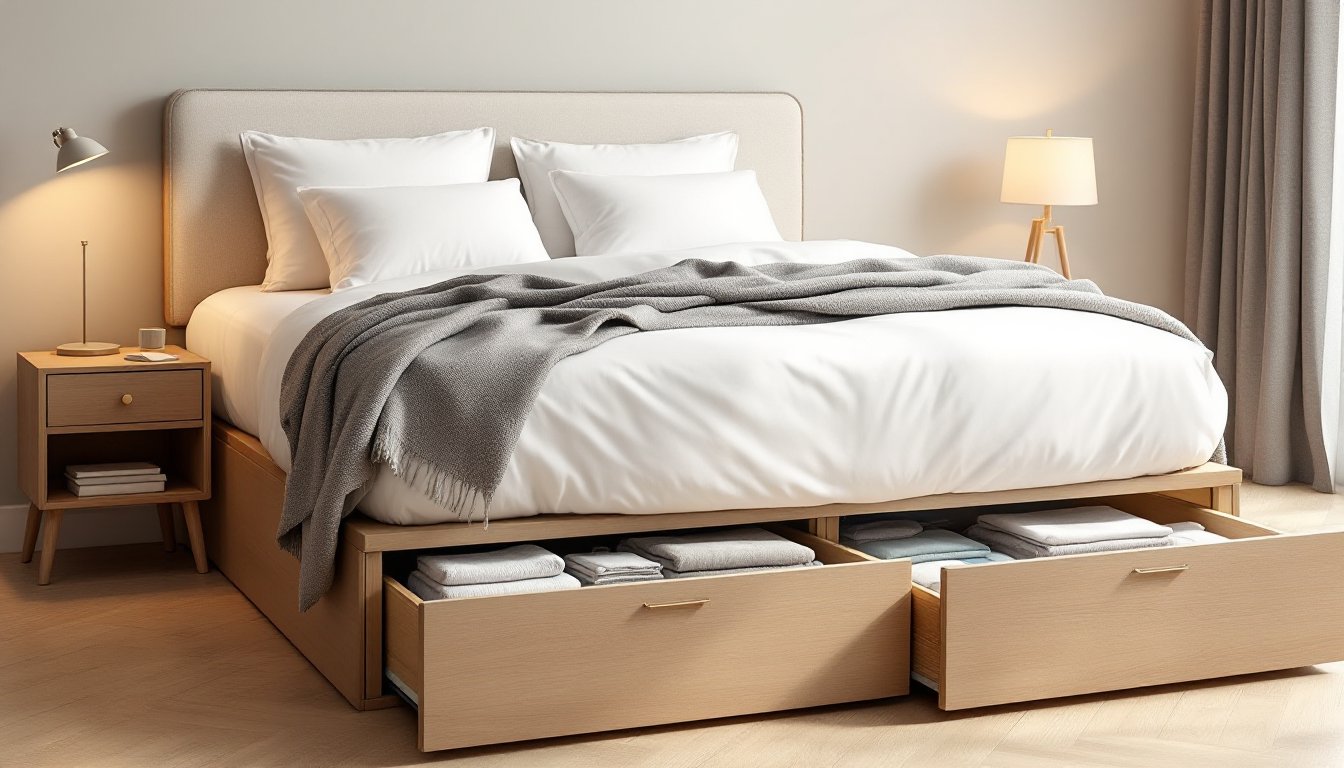
Bedroom space comes at a premium in most homes, and a full size bed with storage addresses one of the most common pain points: clutter creeping into sleeping quarters. Whether you’re furnishing a guest room, a child’s bedroom, or a master suite with limited square footage, a full bed with storage pulls double duty, providing a comfortable sleeping surface while maximizing storage capacity underneath. This practical approach keeps seasonal linens, spare pillows, and other household items out of sight without consuming closet real estate. From ready-made options to DIY builds, storage bed frames come in countless configurations to fit your budget and skill level.
Table of Contents
ToggleKey Takeaways
- A full size bed with storage solves bedroom space constraints by repurposing the area underneath the mattress, eliminating the need for separate nightstands, dressers, or storage chests.
- Drawer-based storage systems are the most common configuration, with full-extension slides and quality materials like solid wood or metal glides providing long-term durability and smooth operation.
- Headboard shelving and lift-up storage designs offer alternative options—open shelves add décor appeal while hidden compartments maximize volume, so choose based on accessibility and style preferences.
- Material and weight capacity matter significantly; hardwoods last decades, while engineered wood costs less but offers less durability, and frames should be rated for 800–1,200 pounds depending on your needs.
- DIY building of a full size bed with storage saves 30–50% compared to retail options and can be completed over a few weekends with basic carpentry skills and standard tools like a miter saw and pocket hole jig.
- Before selecting your storage bed, measure your bedroom carefully to ensure the 54″ × 75″ frame fits with adequate clearance for drawer opening and headroom.
Why Full Size Beds With Storage Are Game-Changers for Small Spaces
A full size bed with storage solves a genuine spatial constraint. Full mattresses measure 54 inches wide by 75 inches long, compact enough for smaller rooms yet still roomy for most adults. The addition of built-in storage reclaims dead space that would otherwise sit empty beneath the frame.
Consider a typical bedroom in a 1,000-square-foot apartment or a guest room in an older home: floor space is precious, and traditional nightstands or dressers eat up real estate. A storage bed frame replaces the gap underneath with functional compartments, drawers, or shelving. You’re not adding bulk to the room: you’re repurposing existing space.
The financial benefit stacks up too. Rather than buying a bed frame, a nightstand, and a storage chest, one multifunctional unit accomplishes all three roles. Homeowners and renters alike appreciate the consolidated footprint, especially in dorms, small apartments, or bedrooms shared by children. Beyond pure function, storage beds also reduce visual clutter, items stay hidden and organized rather than scattered across shelves or the floor.
Storage Options: Under-Bed Drawers, Built-In Shelves, and Headboard Solutions
Drawer-Based Storage Systems
Drawer-based storage is the most common configuration for a full bed with storage. Most drawer systems sit on rolling casters, making them easy to pull out and access without lifting the mattress. Typical full size storage bed frame designs include two to four drawers, each capable of holding 50–100 pounds depending on build quality and materials.
Drawers work best for items you don’t access daily: off-season clothing, extra bedding, or keepsakes. The downside is that retrieving something buried in the back requires pulling the entire drawer, a minor inconvenience but worth acknowledging. Materials vary widely: solid wood drawers are durable and attractive, while plywood or engineered wood options keep costs down. Metal drawer glides (ball-bearing or side-mount) determine smoothness and longevity. Budget models often skimp here, resulting in squeaky or sticky drawers within a year.
Better drawer systems feature full-extension slides, allowing the drawer to open completely without tilting or binding. This feature typically adds $100–$300 to the frame cost but pays dividends in usability and frustration avoided.
Headboard and Shelving Designs
Headboard shelving transforms storage from functional to elegant. A king storage bed or full-size variant with shelving built into the headboard provides open storage that doubles as décor. Shelves hold books, decorative objects, plants, or frequently used items like nighttime reading material and alarm clocks.
Headboard designs range from minimal (two narrow shelves) to comprehensive (wall-to-wall cabinetry). Open shelves look airy and accessible but require styling to avoid clutter. Closed cabinetry or shelves with baskets maintain a streamlined appearance while hiding the contents.
Another option is a lift up storage bed, a frame where the entire mattress platform raises on pneumatic hinges to reveal a single large compartment underneath. This design offers maximum storage volume but trades accessibility and convenience. Lifting requires some muscle, and you must fully raise the platform to reach items stored inside. The trade-off: no drawers to stick out into the walkway, and one continuous space rather than divided compartments. Homeowners often choose this style for master bedrooms where access happens infrequently.
Choosing the Right Full Size Bed With Storage for Your Needs
Selecting the right storage bed frame depends on your space, budget, and daily workflow. Start by measuring your bedroom: account for the bed footprint (54″ × 75″ for a full), clearance for opening drawers or panels, and headroom if you’re considering a bed with storage underneath that sits taller than a standard frame.
Budget tiers differ significantly. Particleboard or plywood-based full size bed frames with storage cost $300–$600 and work fine for light use, kids’ rooms, guest rooms, or temporary setups. Solid wood frames ($800–$1,500) last decades and handle heavier loads. Mid-range upholstered storage beds ($600–$1,200) add a finished, bedroom-suite appearance and often include a padded headboard as a bonus.
Material selection matters for durability. Hardwoods like oak, cherry, or walnut resist warping and support weight reliably over time. Softwoods require careful kiln-drying and slope slightly in cost. Engineered wood products are stable but less repairable if damaged. For an upholstered storage bed, inspect the fabric: natural fibers breathe better, while synthetics resist staining and wear longer.
Weight capacity is often overlooked. Check the frame’s rated load limit (typically 800–1,200 pounds for a full-size). If you’re a heavier sleeper or plan to share the bed regularly, opt for frames rated at the high end. Cheap frames cut corners on support legs and joinery, weak points that fail under sustained pressure.
Finally, consider drawer depth and accessibility. Shallow drawers (6–8 inches) fit under most beds but limit what you can store. Deeper drawers (12–18 inches) hold more but may sit lower to the ground, reducing clearance. Test a sample in a showroom if possible, or read reviews from owners who describe real-world usability.
DIY Projects: Building Your Own Storage Bed
Building a full bed with storage yourself saves 30–50% compared to retail options and customizes the design to your exact needs. If you’re comfortable with basic carpentry, cutting, fastening, and assembly, this project is achievable over a weekend.
Materials and Tools
For a simple drawer-based frame:
- 2×10 or 2×12 lumber (actual size ~1.5″ × 9.25″ or 11.25″) for side rails
- 2×6 lumber for cross-braces
- 3/4″ plywood for drawer bottoms and undercarriage
- Pocket hole screws (2.5″) and wood glue
- Drawer slides (full-extension, rated for 100 lbs)
- Finish (paint, stain, or polyurethane)
Tools needed: miter saw or circular saw, drill-driver, pocket hole jig (Kreg Jig is industry standard), measuring tape, square, sander, and clamps.
Assembly Steps
- Cut side rails to 54 inches and cross-braces to approximately 75 inches (accounting for the thickness of side rails).
- Assemble the perimeter frame using pocket holes at each joint, stronger and cleaner than butt joints or nails.
- Add support rails every 12–18 inches across the width to prevent sagging. These sit perpendicular to the side rails.
- Mount drawer slides on the underside of the frame, following the manufacturer’s spacing (typically 2–4 inches from the side edge).
- Build drawer boxes from 3/4″ plywood: cut sides, front, back, and bottom. The front piece can be solid wood for a finished appearance.
- Attach drawer fronts using pocket holes or figure-eight fasteners, the latter allows for wood movement.
- Sand all surfaces with 120-grit, then 150-grit sandpaper before finishing.
- Apply primer and paint or stain and polyurethane in thin coats, sanding lightly between coats.
Skill and Time Considerations
This project assumes you own or can borrow basic tools and have used a miter saw safely before. If not, rent tools or have cuts made at a local lumber yard (most charge $1–$3 per cut). Expect 15–20 hours of hands-on time spread across a few weekends.
Free plans are widely available from sites like Ana White, which offer step-by-step instructions and cut lists. The Handyman’s Daughter provides beginner-friendly tutorials with photo walkthroughs. Fix This Build That covers tool reviews and workshop setup if you’re new to woodworking.
Common Mistakes to Avoid
Skip the measurements at your peril. Measure twice, cut once, a full size bed frame with storage must fit a standard 54″ × 75″ mattress without gaps or binding. Account for the actual thickness of lumber (nominal 2×10 is really about 1.5″ thick). Use pocket holes rather than nails: they create stronger joints and won’t split the wood. Finally, install drawer slides level and parallel, or drawers will bind or fall short.
Conclusion
A full size bed with storage maximizes utility in any bedroom without sacrificing comfort or style. Whether you choose a ready-made frame, customize an upholstered option, or build one from scratch, the payoff is identical: more usable space and less visual clutter. Assess your room’s dimensions, your storage needs, and your skill level before committing. The right choice will serve your home for years.