
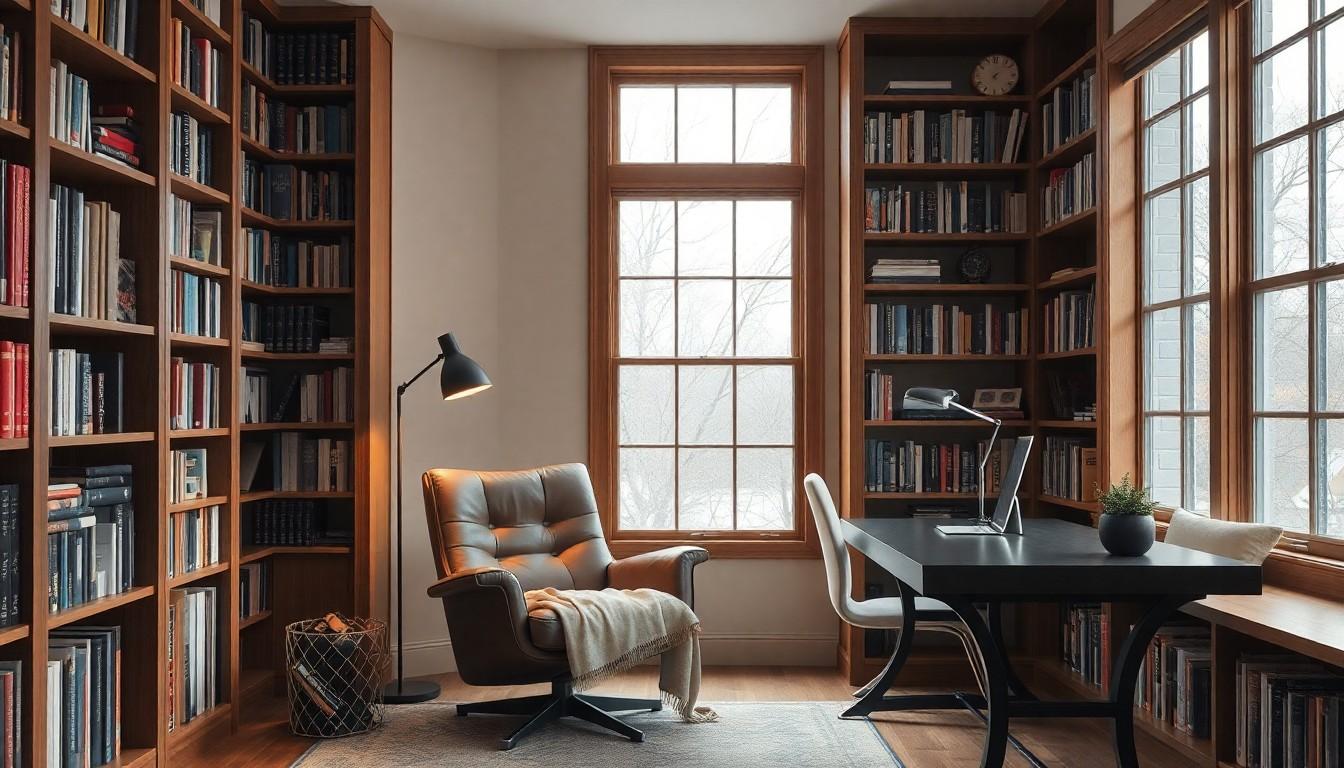
Imagine curling up in your own cozy nook, surrounded by shelves bursting with books that transport you to different worlds. A well-designed home library isn’t just a place to store books; it’s a sanctuary for the mind. With the right furniture, it can transform into a personal retreat where imagination knows no bounds.
From plush reading chairs that cradle you like a warm hug to stylish bookshelves that make your literary collection shine, the right pieces can elevate your space. Who knew that choosing the perfect desk could turn you into the next literary genius? Home library furniture isn’t just functional; it’s the secret ingredient to creating an inviting atmosphere that beckons you to dive into your next adventure. So, let’s explore how to make your reading haven as delightful as the stories within those pages.
Table of Contents
ToggleTypes of Home Library Furniture
Choosing the right furniture elevates a home library’s functionality and aesthetics. Various types of furniture cater to different needs and preferences.
Bookshelves
Bookshelves serve as the focal point of any library. They come in various styles, including built-in, modular, and freestanding designs. Modular bookshelves allow for flexibility, accommodating both standard and oversized books. Built-in options maximize space and integrate seamlessly into room architecture. Freestanding bookshelves create visual interest through diverse shapes and materials. For avid readers, open shelving promotes easy access, while closed-shelf units protect books from dust and damage.
Reading Chairs
Reading chairs offer comfort and style for avid readers. Styles range from wingback to recliner chairs, all designed for cozy seating. Wingback chairs provide support for long reading sessions, while recliners allow for adjustable relaxation. Upholstered chairs introduce warmth and softness, making the space inviting. Ergonomic designs enhance posture during those extended reading hours. Select chairs with soft fabric and good cushioning to ensure comfort during immersive literary adventures.
Desks and Workspace Solutions
Desks optimize the functionality of a home library. Options include writing desks, computer stations, and multifunctional furniture that combines both. Writing desks offer a dedicated space for notes and reflection. Computer stations facilitate research and online learning. Multi-purpose desks often incorporate bookshelves or drawers, enhancing organization. Ensure that workspace solutions include ample lighting and a comfortable chair to maintain productivity in a literary haven.
Material Considerations
Material selection plays a vital role in home library furniture. The right materials not only enhance durability but also affect the overall aesthetic.
Wood vs. Metal
Wood offers warmth and natural beauty, making it a classic choice for bookshelves and chairs. Many favor oak or maple for their durability and rich colors. Metal, on the other hand, provides a sleek, modern appearance. It’s often used in contemporary furniture designs, offering strength and a minimalist vibe. Corrosion-resistant materials, like stainless steel, work well in high-humidity areas. Both materials bring unique benefits, so choosing one often depends on personal style and functional needs.
Upholstery Options
Fabric options significantly impact comfort and style in seating. Leather tends to be a popular choice due to its elegance and easy maintenance. It withstands wear over time and adds a touch of sophistication. For a cozier feel, soft materials like cotton and linen offer increased comfort. These textile choices promote breathability, which is beneficial during long reading sessions. Patterns can add character, whereas solid colors provide versatility for various decor styles. Selecting the right upholstery contributes to both the visual appeal and comfort of the library.
Eco-Friendly Choices
Sustainable materials are increasingly preferred in home library furniture. Bamboo, known for its rapid growth and renewability, serves as an eco-friendly alternative to traditional woods. Recycled materials, like metals and reclaimed wood, contribute to environmental conservation. Options that incorporate low-VOC finishes also improve indoor air quality. Furniture manufactured with ethical practices and sustainable resources aligns well with a conscious lifestyle. Choosing eco-friendly options helps create a space that is both stylish and environmentally responsible.
Design Styles
Home library furniture encompasses various design styles that cater to personal taste and enhance the reading environment.
Modern Home Library Furniture
Modern home library furniture features clean lines and functional designs. It often incorporates innovative materials like metal and glass, appealing to contemporary aesthetics. Modular shelving systems provide flexibility, allowing for creative arrangements. Leather or microfiber reading chairs offer comfort while contributing a sleek look. This style thrives on minimalism, focusing on a less is more philosophy. Bright colors or natural hues can refresh the space, ensuring it feels open and inviting.
Traditional Home Library Furniture
Traditional home library furniture conveys elegance and timeless charm. Solid wood bookshelves often serve as centerpieces, displaying collections beautifully. Wingback chairs add a classic touch, offering comfort during long reading sessions. Rich upholstery, like velvet or brocade, complements the overall theme. Ornate details, such as carvings or intricate moldings, provide visual interest while enhancing the sophisticated atmosphere. This style embraces warmth and nostalgia, creating a welcoming retreat for book lovers.
Minimalist Approaches
Minimalist approaches emphasize simplicity and functionality in home library furniture. Clean, unobtrusive lines characterize this design style, promoting a clutter-free environment. Shelving units in neutral tones blend seamlessly with the surrounding decor. Lightweight, portable reading chairs maintain flexibility while ensuring comfort. Open layouts focus on ample space, allowing easy access to books and resources. Decorative elements remain sparse, letting the beauty of books take center stage, and reinforcing a serene, distraction-free zone for reading and reflection.
Functional Features
Functional features enhance the usability and appeal of home library furniture. Each element plays a crucial role in creating an optimal reading environment.
Storage Solutions
Optimal storage solutions keep books organized and accessible. Shelving units serve as essential components, available in various styles such as built-in, modular, and freestanding designs. Multi-functional furniture pieces, like ottomans or coffee tables with storage, provide space-efficient options. Additionally, wall-mounted shelves free up floor space while showcasing decorative items or select volumes. Incorporating drawer units or cabinets creates hidden storage for miscellaneous items, maintaining a tidy appearance.
Lighting Options
Effective lighting options significantly impact the reading experience. Task lighting, such as adjustable reading lamps, offers focused illumination for detailed tasks like reading or writing. Overhead fixtures can brighten the entire space, enhancing visibility and ambiance. Natural light from windows contributes to a pleasant atmosphere during the day. Layered lighting strategies, combining ambient and accent lights, improve functionality. Decorative fixtures can add a touch of style while ensuring that every corner gets adequate light.
Technology Integration
Seamless technology integration improves the functionality of home libraries. Electrical outlets conveniently placed near reading nooks allow for easy access to devices. Smart lighting systems enable users to control brightness through mobile apps or voice commands. Charging stations for tablets or e-readers prevent clutter and keep devices powered. Incorporating sound systems enhances the ambience by providing background music or audiobooks. Providing Wi-Fi access ensures that digital resources remain within reach for readers.
Creating a home library is more than just a place to store books; it’s about crafting a personal haven that invites exploration and relaxation. The right furniture choices play a pivotal role in shaping this experience. From stylish bookshelves to comfortable reading chairs and functional desks, each piece contributes to an atmosphere that fosters creativity and focus.
By considering materials and design styles that resonate with individual tastes, homeowners can achieve a balance between aesthetics and practicality. Whether opting for modern minimalism or traditional elegance, the key lies in selecting furniture that enhances both the space and the reading journey. Ultimately, a thoughtfully designed home library becomes a cherished retreat, encouraging readers to dive into their favorite literary worlds.