
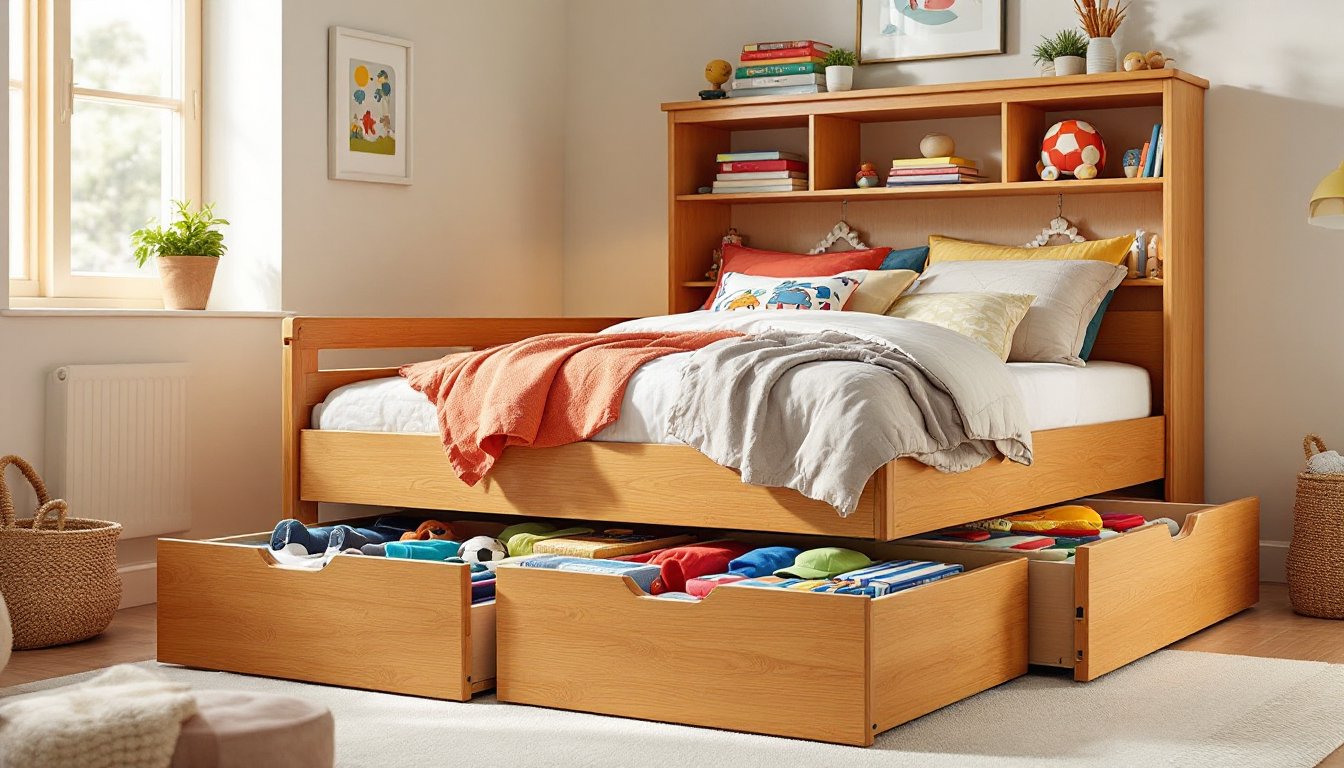
A kids’ bedroom rarely comes with extra square footage. Between toys, sports gear, school supplies, and growing clothing collections, storage quickly becomes the most valuable real estate in the room. A kids full bed with storage solves this problem by doing double duty: it provides a comfortable sleeping surface while offering built-in organization that eliminates the need for bulky dressers and separate storage units. Whether you’re redesigning a child’s room or maximizing space in a smaller home, a bed with integrated storage is both practical and efficient, and it doesn’t have to expensive or require advanced carpentry skills to find or build one.
Table of Contents
ToggleKey Takeaways
- A kids full bed with storage consolidates multiple furniture pieces into one, freeing up floor space and reducing the need for separate dressers or toy chests.
- Storage beds typically cost less than purchasing a quality mattress, frame, and dresser separately, making them a budget-friendly investment for kids’ rooms.
- Built-in drawers with ball-bearing slides, open shelving, and foot-end compartments are the most accessible storage configurations for children to use independently.
- Solid hardwood construction lasts 15+ years with proper maintenance, while engineered wood beds offer affordability and typically last 5 to 10 years with normal use.
- Room layout, weight capacity (600-800 lbs for most models), and your child’s organizational style should guide your selection of the right kids full bed with storage.
Why Kids Full Beds With Storage Are a Smart Investment
Storage beds aren’t just trendy furniture pieces: they address a real problem in most households. A full-size bed is ideal for kids aged 8 and up, it’s large enough to grow with them through the teenage years but not so enormous that it dominates a modest-sized bedroom. When storage is built in, you’re consolidating function without expanding the footprint.
The math is straightforward: removing a separate dresser, toy chest, or shelving unit and replacing it with a bed that includes drawers or compartments frees up floor space. This makes the room feel larger, creates safer pathways, and gives kids actual room to play or study. Beyond square footage, storage beds teach organizational habits early. When kids can quickly stash items in under-bed drawers or compartment shelves, they’re more likely to maintain tidiness.
From a cost perspective, a storage bed often costs less than buying a quality mattress, frame, and separate dresser separately. You’re paying for one piece of furniture that does the job of two or three. This is especially valuable when furnishing a child’s room on a modest budget or when preparing for transitions (like a sibling moving into a shared room).
Types of Storage Options Available
Storage beds come in several configurations, and understanding your options helps match the bed to your child’s actual needs and the room layout.
Under-Bed Drawers and Sliding Storage
The most common design uses rolling drawers or sliding storage boxes that fit beneath the frame. Most full-size beds sit about 14 to 18 inches off the ground, leaving plenty of vertical clearance for drawers with a depth of 12 to 15 inches. These drawers are ideal for storing seasonal clothing, extra bedding, shoes, or board games. Wooden drawers on ball-bearing slides open smoothly, while plastic storage bins offer a budget-friendly alternative and resist moisture better in humid climates.
Look for drawers with safety stops to prevent them from sliding all the way out unexpectedly. Some beds feature two or three drawers per side: others have a single drawer spanning the width of the bed. The trade-off: wider drawers hold more but require more strength to open when full. Drawers on the foot end are easier for kids to access independently, while side drawers require more dexterity.
Built-In Shelving and Compartments
Some storage beds integrate open shelves or cubbies into the headboard or footboard. A headboard with shelves serves triple duty: storage, décor display, and a place to set a lamp or alarm clock. This configuration works well for kids who need easy access to frequently used items, books, art supplies, or a tablet charging station. Built-in compartments on the sides of the frame or beneath the mattress platform provide segmented storage that naturally organizes different item categories.
One advantage of built-in shelving is durability. Shelves are fixed and don’t rely on drawer glides that can wear out over time. The downside: you can’t reposition shelves as a child’s storage needs evolve. Before committing to this style, think about how your child’s belongings will change over the next 3 to 5 years.
How to Choose the Right Bed for Your Child
Selecting a storage bed isn’t just about aesthetics, it requires considering your child’s age, the room dimensions, and your lifestyle.
Age and mattress compatibility matter first. A full-size bed mattress measures 54 inches wide by 75 inches long, which is standard across brands. Any full-size mattress will fit a full-size storage bed frame, so you won’t have trouble finding replacements as the mattress wears out. For kids under 8, consider whether a full is necessary: a twin with storage often suffices and occupies less space.
Room layout determines drawer placement. If the bed sits against a wall, side drawers may be difficult to access. In this case, an under-bed design or a drawer configuration at the foot of the bed works better. Measure your room and note windows, doors, and closet locations before shopping. A bed that blocks a window or prevents a door from opening fully creates frustration, not savings.
Weight capacity is often overlooked but important. Most full-size storage beds support between 600 to 800 pounds, which accommodates a child, a parent sitting on the edge, and the contents of drawers. If your child is particularly tall or heavy for their age, verify this spec before purchasing.
Consider your child’s organizational style, too. A highly organized kid who naturally groups similar items will thrive with divided compartments. A child who needs visual reminders might prefer open shelving over hidden drawers. Projects like free DIY furniture plans can help if you’re building a bed from scratch and want to customize compartment sizes and placements.
Popular Materials and Durability Considerations
Storage beds are built from solid wood, engineered wood, or metal frames, each with distinct advantages and lifespan expectations.
Solid hardwood beds (oak, pine, or maple) are the most durable and can last 15+ years if well-maintained. They’re heavier, more expensive upfront, but they resist warping and can be refinished or repaired. Solid pine is softer and dents more easily than oak but costs less. This is the choice if durability through multiple kids or resale value matters to you.
Engineered wood or plywood construction is lighter and more affordable. Most commercially manufactured storage beds use this approach. Quality matters significantly, look for beds with cabinet-grade plywood and reinforced joints. These beds typically last 5 to 10 years with normal use. They’re susceptible to moisture damage in damp climates, so avoid basements or rooms prone to humidity without dehumidifiers.
Metal frames (steel or aluminum) offer durability and won’t warp or splinter. They’re often paired with wood panels or upholstered headboards. Metal frames are ideal for damp environments and require minimal maintenance beyond occasional wiping.
Check drawer hardware closely. Ball-bearing slides are smoother and last longer than plastic gliders. If building or customizing, woodworking project plans from trusted sources ensure your slides are rated for the weight they’ll carry. Metal-on-metal hinges are more durable than plastic hinges on compartment lids.
Finish durability matters too. Lacquered or stained finishes resist scratches better than paint. Kids’ furniture takes a beating, so expect minor dings, choose a finish that hides them reasonably well. Lighter stains show dust and dirt more readily: darker finishes are more forgiving.
Conclusion
A kids full bed with storage is a practical investment that grows with your child, consolidates furniture, and teaches organizational skills. Whether you choose under-bed drawers, built-in shelving, or a combination, the key is matching the design to your child’s actual room and lifestyle. Solid construction and durable hardware matter more than trendy aesthetics, this bed will see years of daily use. Measure your space, understand your child’s needs, and don’t hesitate to explore furniture building tutorials if customizing a bed appeals to you. Done right, a storage bed becomes one of the smartest purchases in a child’s room.