
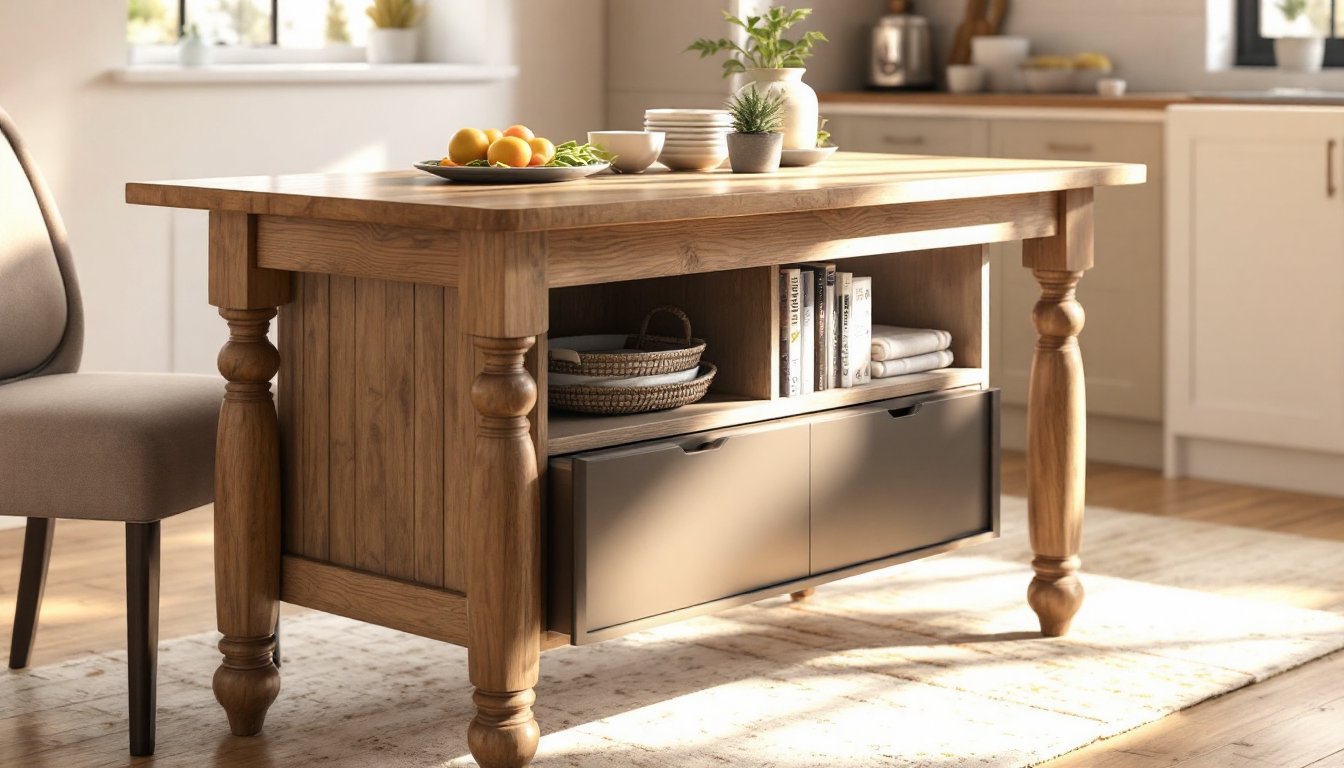
Kitchen space is precious real estate, especially in homes where square footage doesn’t come cheap. A standard dining table takes up room and does one job, holding dinner. But what if your kitchen table with storage could pull double duty? By combining a functional workspace with built-in drawers, shelves, or hidden compartments, a kitchen table with storage transforms wasted floor space into organized, accessible storage. This isn’t about cramming everything into one piece: it’s about smart design that works harder so your kitchen doesn’t feel squeezed. Whether you’re dealing with a compact apartment, a growing family, or just someone tired of clutter, these tables deliver genuine breathing room.
Table of Contents
ToggleKey Takeaways
- A kitchen table with storage solves two problems simultaneously—providing a dining surface and organized storage—while eliminating the need for extra furniture in space-constrained kitchens.
- Common storage types include drawer-and-shelf designs (best for linens and utensils), lift-top tables (ideal for hidden compartments and minimal aesthetics), and combination pieces that offer layered storage options.
- Measure clearance (at least 36 inches around the table), assess actual storage needs, and choose materials based on household durability—engineered wood for families with kids, solid wood for longevity.
- Quality hardware matters: verify drawer slides, hinge mechanisms, and shelf supports (minimum 25–30 pounds per shelf) to avoid premature failure and ensure your investment lasts.
- Maximize storage with organizational tools like drawer dividers, vertical shelf stacking with felt separators, and labeled drawers—plus regular maintenance like furniture wax and hardware tightening keeps your table functioning smoothly.
- Expect to invest $400–$1,200 for a quality kitchen table with storage; cheaper options often have weak joints and sticky drawers, making premium pieces a better long-term value.
Why Kitchen Tables With Storage Are a Game-Changer for Modern Homes
The math is simple: a kitchen table with storage solves two problems at once. You get a dining surface and a place to stash dishes, linens, cookbooks, or seasonal items without buying a separate cabinet or sideboard. In smaller kitchens, every square foot matters, and a combined table-and-storage piece eliminates the need for extra furniture that would only crowd the floor.
Beyond square footage, these tables keep your kitchen visually cleaner. Open shelving under a table hides pasta boxes and serving platters from sight, while drawers keep utensils, napkins, and takeout menus from cluttering your counter. The psychological effect is real, a less chaotic kitchen feels more functional and less stressful.
There’s also a durability angle. Built-in storage is harder to damage or move around than standalone cabinets. If you’ve got kids or pets, a solid table with integrated storage won’t tip, shift, or collect cobwebs behind it. You’re also paying once for a quality piece rather than gradually accumulating mismatched storage solutions.
Types of Storage Kitchen Tables to Consider
Tables With Drawers and Shelving
This is the most common design. Drawers sit under the table surface, and open shelving runs underneath or to the side. Solid wood or engineered wood tables with 2 to 4 drawers are standard: they’re sturdy and deep enough for linens, serving utensils, or bulk spices. The open shelf design keeps the piece from feeling heavy, and you can access items without opening and closing multiple drawer fronts.
Drawer depth matters. Shallow drawers (4 to 6 inches) work for flatware and napkins: deeper drawers (8 to 12 inches) hold serving dishes or mixing bowls. Shelves should support at least 25 to 30 pounds per shelf for practical use. Metal shelf supports or wooden blocks prevent sagging over time.
Material choice affects both aesthetics and maintenance. Solid wood (oak, maple, walnut) ages well and can be refinished, but requires occasional oiling or waxing. Engineered wood or veneer finishes are budget-friendly and easier to clean: they won’t dent as easily as solid wood in a busy kitchen.
Lift-Top and Hidden Storage Tables
Lift-top tables have a hinged surface that raises to reveal a hollow compartment, perfect for storing less-used items like fancy tablecloths, placemats, or seasonal décor. The top stays closed when not in use, creating a clean, uncluttered look. These work especially well in smaller kitchens where you need storage but don’t want visible clutter.
Hidden storage tables often combine a lift-top with drawers below, giving you layered storage options. The mechanism should have soft-close hinges to prevent slamming and damage. Spring-assisted tops make lifting easier on the wrists, especially if the table is made of solid wood and has substantial weight.
One trade-off: lift-top tables can leave the surface looking empty if you’re not using the table actively. They’re ideal for homes with secondary dining areas or kitchens where you prefer a minimal aesthetic. Inspect the hinge hardware before buying, cheap hinges will fail quickly under regular use.
How to Choose the Right Kitchen Table With Storage for Your Space
Start with measurements. Sketch your kitchen layout and mark the table’s intended spot. You need at least 36 inches of clearance around the table for chairs and foot traffic (more if the space is tight). Check doorway widths and staircase landings if you’re buying a solid wood table, once it’s in the room, it’s staying there unless you call movers.
Think about what you’ll actually store. If you’re stashing bulky serving platters, open shelving with a minimum shelf depth of 12 inches is essential. If you need drawer space for linens and utensils, calculate how many drawers you’ll realistically use. Three to four well-organized drawers beat five cramped ones.
Material durability depends on your household. Families with young kids benefit from engineered wood or sealed finishes that resist spills and stains. Solid wood tables with matte or satin finishes hide fingerprints better than glossy finishes. Budget also matters, expect to spend $400 to $1,200 for a quality table with storage: cheaper options often have weak joints or drawer slides that stick.
Height and proportion should match your kitchen. A 30-inch-tall table (standard dining height) feels right in most kitchens. Taller tables (36 inches) work in kitchens with high ceilings or if you prefer bar-height seating. Look at the leg design too, thick legs offer stability, while thin, tapered legs create a lighter visual feel in smaller spaces. Woodworking plans for kitchen islands with storage can help you understand construction quality when evaluating store-bought options.
DIY Tips for Maximizing Your Kitchen Table Storage
Organize with containers. Drawer dividers and small bins keep utensils, napkins, and flatware from sliding around. Lazy Susan turntables inside drawers make spice access easier. Clear containers for pasta and baking supplies let you see when you’re running low without opening every cabinet.
Use vertical space on shelves. Stack plates with felt dividers (thin plywood or cardboard strips) between them to prevent chipping and make grabbing one plate easier. Group similar items, serving pieces together, linens in a folded stack, cookbooks upright, so you know exactly where to find something in a pinch.
Label drawers. A simple label gun or waterproof stickers on drawer fronts save time and prevent the “Where did I put that?” moment. Kids can help maintain the system if labels tell them where things belong.
Weatherproof the table if it’s in a humid kitchen or near a sink. Solid wood tables benefit from kitchen organization strategies recommended by The Kitchn, which include annual re-finishing or refinishing every few years. Check drawer slides monthly, tighten screws if drawers start sticking, and apply a thin coat of furniture wax or silicone lubricant to metal slides.
For DIY builders, Fix This Build That offers detailed woodworking guides that break down table construction, including how to size and reinforce shelves to handle weight without sagging. If you’re building from scratch, use 1-inch-thick solid wood or 3/4-inch plywood for shelves holding more than 20 pounds. Support shelves with wooden cleats or metal brackets every 24 to 30 inches to prevent deflection.
Conclusion
A kitchen table with storage isn’t a luxury, it’s a practical solution for anyone tired of clutter or short on floor space. Whether you choose a drawer-and-shelf design, a lift-top table, or build one yourself, the key is matching the storage type to what you actually need to keep close. Measure your space, assess your storage habits, and invest in quality hardware and materials. Your kitchen will thank you.