
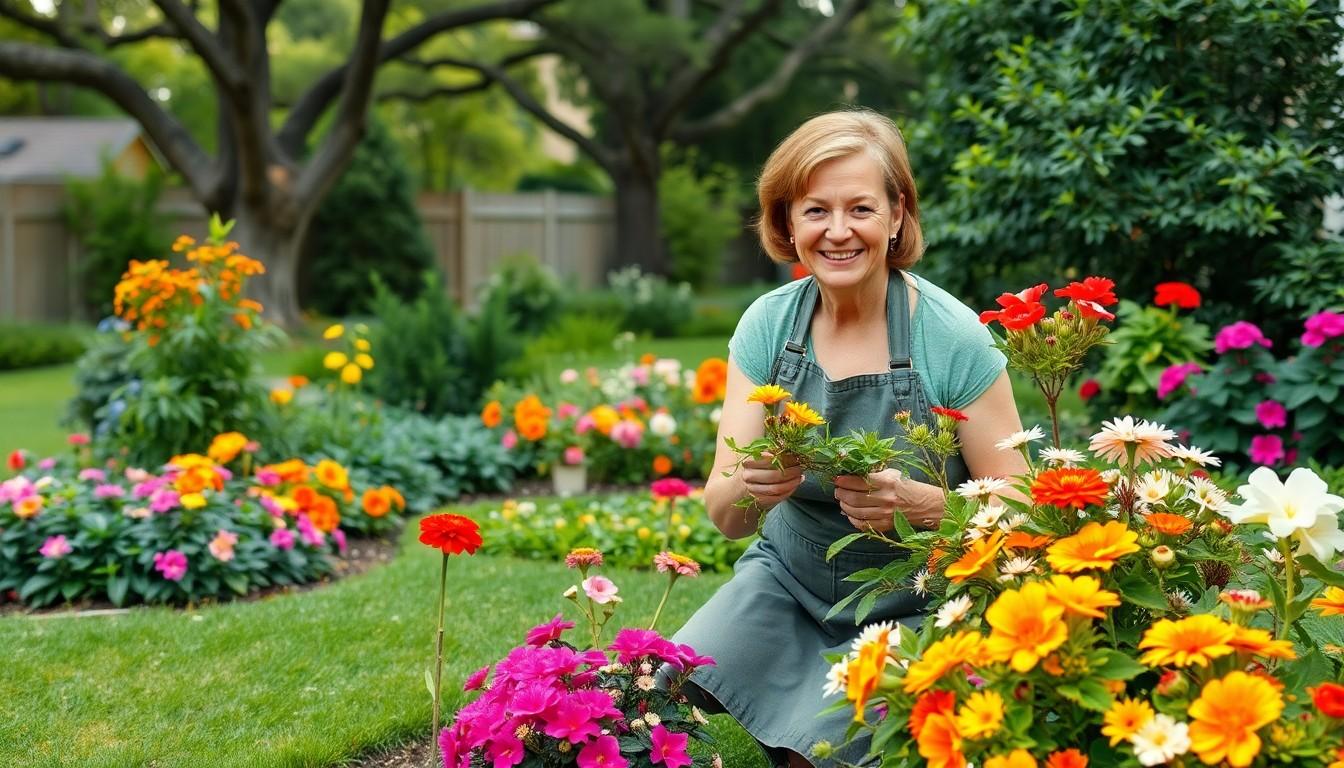
Imagine stepping into your backyard and feeling like you’ve just walked into a botanical wonderland. Plants for landscaping can transform any dull space into a vibrant oasis that even Mother Nature would envy. Whether you’re a seasoned gardener or just starting out, the right plants can elevate your outdoor aesthetics and boost your home’s curb appeal faster than you can say “green thumb.”
Table of Contents
ToggleOverview of Plants for Landscaping
Landscaping plants play a crucial role in beautifying outdoor spaces. Various types of plants, including trees, shrubs, flowers, and ground covers, contribute to the overall aesthetics and functionality of a landscape. When selecting plants, it’s essential to consider local climate, soil type, and maintenance requirements.
Trees provide shade and structure, making them valuable features in a landscape. Common choices include oaks, maples, and pines, which offer seasonal visual interest and support local wildlife. Shrubs like azaleas, hydrangeas, and boxwoods enhance borders and fill gaps, contributing to layered designs.
Flowers add vibrant colors, attracting pollinators and creating focal points. Perennials such as coneflowers, daylilies, and hostas return year after year, offering low-maintenance options for beauty. Annuals, such as petunias and marigolds, provide seasonal highlights but require replanting each year.
Ground covers, like clover, creeping thyme, and ivy, help suppress weeds and prevent soil erosion. These plants also enhance visual continuity, connecting different elements of the landscape. Incorporating hardscape features like pathways and patios alongside plants further enriches the outdoor experience.
Overall, the careful selection and arrangement of plants form the backbone of effective landscaping. Combining diverse plant types can lead to dynamic spaces with year-round interest. By choosing native species, homeowners promote biodiversity and reduce water usage, aligning with sustainable practices for landscaping.
Types of Plants for Landscaping
Selecting the right plants for landscaping enhances the beauty and functionality of outdoor spaces. Various types of plants, including trees, shrubs, and flowers, contribute uniquely to landscape design.
Trees
Trees provide essential structure to a landscape. Oaks and maples offer shade and can act as focal points in larger areas. Evergreen varieties, like pines and spruces, maintain greenery year-round and create privacy screens. The choice of trees should reflect the local climate, as some varieties thrive in specific environmental conditions. Root systems also play a role; deep roots prevent erosion and stabilize soil. Maintaining tree health involves regular pruning and monitoring for pests, ensuring these vital plants flourish for years.
Shrubs
Shrubs serve as versatile additions to any landscape. Varieties such as azaleas and hydrangeas add vibrant colors and textures. They work effectively as hedges, defining spaces and providing screening for privacy. Shrubby plants also enhance biodiversity by attracting pollinators like bees and butterflies. Selecting native shrubs can support local wildlife and promote sustainable landscaping practices. Regular trimming encourages bushy growth and improves aesthetics, making shrubs a practical choice for gardeners at any level.
Flowers
Flowers create vibrant focal points in landscaping. Perennials, like daisies and coneflowers, deliver lasting color year after year. Annuals, such as petunias and marigolds, contribute seasonal bursts of brightness, making them popular for summer gardens. Choosing a mix of flower types ensures continuous blooming throughout the year. Planting flowers in clusters attracts beneficial insects and enhances pollination opportunities. Maintenance involves deadheading spent blooms to encourage further flowering and to sustain a lively and engaging environment.
Selecting the Right Plants
Choosing the right plants involves careful consideration of multiple factors, including climate, soil type, and maintenance needs.
Climate Considerations
Climate plays a crucial role in plant selection. Local temperature ranges and rainfall patterns define suitability for various species. Warm climates support drought-resistant plants like succulents and cacti. Conversely, colder areas benefit from hardy perennials and deciduous trees. Factors like frost dates determine which plants thrive; knowing when to expect frosts helps gardeners choose appropriate varieties. Additionally, regional plant hardiness zones provide guidance for selecting plants that can withstand local conditions, promoting healthier landscapes.
Soil Types
Soil type directly impacts plant growth and health. Clay soil retains moisture but may drain poorly, while sandy soil drains quickly and may require additional watering. Loamy soil, often considered ideal, maintains moisture and nutrients well. Assessing pH levels in soil is important, too; some plants prefer acidic conditions while others thrive in alkaline soil. Poor soil quality can hinder growth, so improving it with organic matter or compost can foster a more productive garden environment.
Maintenance Requirements
Maintenance needs differ greatly among plant species. Low-maintenance plants, such as native grasses or drought-tolerant succulents, require minimal ongoing care and can be ideal for busy gardeners. On the other hand, extravagant blooms may necessitate regular deadheading, pruning, or pest management. Understanding specific needs helps prevent overwhelming upkeep. Seasonal evaluations foster a thriving garden, as appropriate care ensures vibrant growth and longevity for selected plants.
Popular Plants for Landscaping
Choosing the right plants can significantly enhance outdoor spaces. Several categories of plants, such as native and exotic species, cater to diverse landscaping needs.
Native Plants
Native plants adapt well to their local environment, requiring less water and maintenance. For example, coneflowers and black-eyed Susans thrive across various regions, offering vibrant colors and attracting pollinators. Local wildlife benefits from native shrubs like serviceberry and elderberry, providing food and shelter. Ecosystems gain balance with plants that evolved in harmony with local soil and climate, making these selections sustainable. Many gardeners prefer these options for their resilience and beauty.
Exotic Plants
Exotic plants introduce unique aesthetics to landscapes, making them stand out. Varieties like Japanese maple and bird of paradise add color and texture, enriching garden design. These plants often thrive in specific conditions, so it’s crucial to research their needs. Some, like hibiscus and bougainvillea, create tropical vibes in warmer climates. However, pest and disease management becomes essential when introducing non-native species. Gardeners appreciate the flair that exotic plants bring, elevating overall landscape appeal.
Innovative Landscaping Ideas
Incorporating plants in innovative designs can transform any outdoor space. Vertical gardens, for instance, allow for creative use of wall space. This technique maximizes area while providing a stunning visual effect. Adding climbing plants, such as ivy or wisteria, offers natural beauty and can create a living privacy screen.
Utilizing native grasses aids in creating low-maintenance landscapes. These plants require less water and sustain local wildlife. Ornamental grasses, like blue fescue and switchgrass, contribute texture and movement, enhancing visual interest. Grouping them in clusters creates a natural look that harmonizes with other plantings.
Integrating water features brings an element of tranquility. Surrounding ponds or fountains with moisture-loving plants, such as ferns or irises, ensures a cohesive landscape design. Such arrangements can attract beneficial wildlife like frogs and birds, enriching the ecosystem.
Employing raised garden beds adds both structure and accessibility. These beds can showcase colorful flowers, herbs, or vegetables while improving drainage. Using materials like wood or stone for the borders creates a clean, defined appearance.
Incorporating edible plants, such as berry bushes or fruit trees, merges beauty with functionality. This approach not only enhances aesthetics but also provides fresh produce. Sustainable practices foster healthier environments, encouraging biodiversity throughout the landscape.
Exploring layering techniques with shrubs and perennials enhances depth and dimension. This method involves placing taller plants in the back and shorter ones in front, creating visual layers. Using a mix of flowering species ensures seasonal blooms, promoting year-round interest.
Choosing the right plants for landscaping can truly elevate any outdoor space. By carefully selecting a mix of trees, shrubs, flowers, and ground covers, one can create a vibrant and inviting environment. Prioritizing local climate and soil conditions ensures that the chosen plants thrive, while also supporting local wildlife and promoting sustainability.
Incorporating innovative ideas like vertical gardens and raised beds adds both beauty and functionality. With a thoughtful approach to plant selection and maintenance, homeowners can enjoy a dynamic landscape that not only enhances curb appeal but also fosters a connection to nature. Embracing diverse plant types leads to a flourishing garden that stands out while being environmentally conscious.