
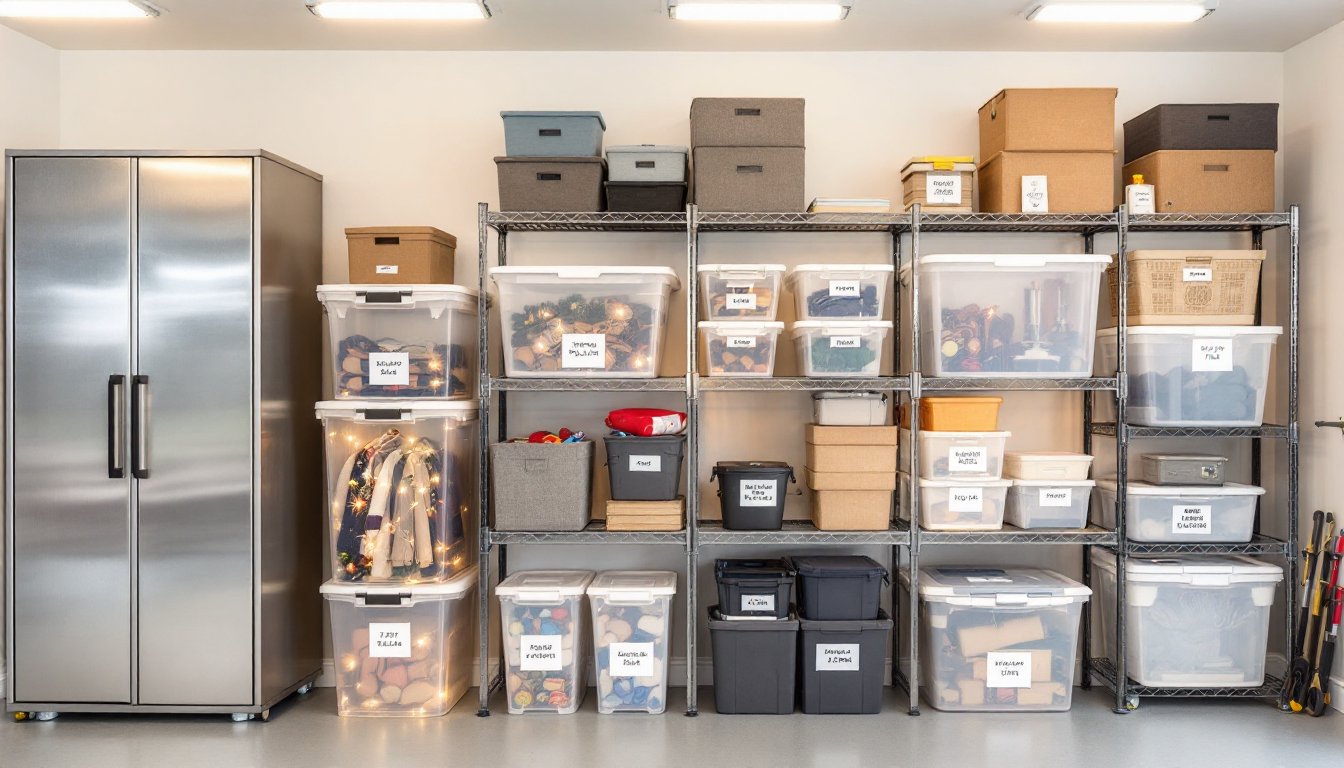
When closets overflow, basements become caves of forgotten items, and garage corners turn into clutter zones, storage bins become the practical solution that separates organized homes from chaotic ones. Storage bins at Lowes offer a straightforward way to reclaim space, protect seasonal items, and create a system that actually works. Whether you’re tackling a small bedroom project or reorganizing an entire basement, the right bins make the difference between a space that functions and one that frustrates you every time you open a door. This guide walks you through what’s available, how to choose what fits your needs, and how to set up a system that’ll stick around longer than your New Year’s resolution.
Table of Contents
ToggleKey Takeaways
- Storage bins at Lowes solve clutter by containing items in labeled zones, reducing decision fatigue and keeping spaces organized with minimal ongoing effort.
- Plastic storage bins come in multiple styles—clear for visibility, sealed with gaskets for moisture protection, and heavy-duty options for garages—so choosing the right type depends on what you’re storing and your climate conditions.
- Measure your space before purchasing storage bins, account for accessibility needs (how often you’ll reach items), and consider climate factors like basement humidity or outdoor UV exposure.
- Labeling bins with specific details like contents and dates is non-negotiable for long-term organization, preventing duplicate purchases and making retrieval intuitive.
- Metal cabinets and weatherproof bins from Lowes are worth the investment for damp basements, garages, or outdoor storage, while fabric boxes work best for dry interior spaces like closets and bedrooms.
- Stack bins strategically by placing heavier containers on lower shelves, leave breathing room between bins for easy access, and consider adding moisture-absorbing products in humid storage areas.
Why Storage Bins Matter for Your Home Organization
Storage bins solve a real problem: they contain chaos. Without them, items scatter across shelves, stack in corners, and migrate to places you forget they exist. A good bin system creates zones, one for holiday decorations, another for out-of-season clothes, another for kids’ toys or sports equipment.
Beyond visibility and access, bins protect what you own. Plastic containers shield items from dust, moisture, and pests. They stack efficiently, using vertical space that’d otherwise sit empty. And they make moving, cleaning, and renovating easier because everything’s already contained.
From a practical standpoint, bins also reduce decision fatigue. Instead of asking “Where does this go?” every time, you know the answer: it goes in the labeled bin. That consistency compounds over time, keeping your space organized without constant effort.
Lowes carries a wide range at competitive prices, from budget-friendly basics to premium options with better seals and durability. Knowing what types exist helps you match the right bin to the right job.
Types of Storage Bins Available at Lowes
Plastic Storage Bins and Containers
Plastic bins dominate the storage market, and Lowes stocks them in nearly every size and style. Clear plastic containers let you see what’s inside without opening the lid, which saves time when you’re hunting for something specific. Opaque options work better if you want a cleaner look on shelves or prefer not seeing the contents.
Bins come in standard stacking sizes, the most common being 10-gallon, 20-gallon, and 27-gallon capacities, though smaller desk organizers and larger under-bed models fill in the gaps. Look for reinforced handles if you’ll be moving bins frequently: cheap handles snap under load. Similarly, lids matter: hinged lids stay attached and don’t get lost, while snap-on lids are cheaper and easier to replace if they crack.
Seal quality varies significantly. Basic plastic bins let air circulate freely, fine for non-perishables and seasonal decor. Bins with gasket seals (rubber strips that create an airtight barrier) protect against moisture and pests, worth the extra cost if you’re storing in a damp basement or unfinished attic. High-end models with locking latches are overkill for most homes but essential if you need military-grade durability for a garage or workshop.
Metal and Fabric Storage Solutions
While plastic dominates, Lowes also carries metal shelving units and cabinets for garage and workshop storage. These hold heavier loads than plastic bins and resist moisture better in wet environments. A galvanized steel cabinet costs more upfront but lasts decades and handles tools, supplies, and hardware without fear of rust or collapse.
Fabric storage boxes appeal to those wanting a softer aesthetic in living spaces, bedrooms, closets, and nurseries. They’re lighter than plastic, fold flat when empty, and come in decorator colors. The trade-off: they’re less protective against moisture and pests, and they won’t stack safely under weight. Reserve fabric bins for dry, interior spaces where content won’t be disturbed frequently.
For larger storage needs, Lowes carries plastic deck boxes and weatherproof bins designed for outdoor use. These resist UV damage and rain, making them ideal for patio furniture cushions, garden tools, or pool supplies.
How to Choose the Right Storage Bins for Your Space
Start by measuring the space where bins will live. Width, depth, and height matter, a bin that looks right in the aisle won’t fit your closet shelf if you’ve miscalculated. Take photos of your space or use a phone app to record dimensions: it takes two minutes and prevents a return trip.
Next, think about what goes inside. Seasonal clothing needs protection from dust and light: a solid bin with a gasket seal is worth the investment. Holiday decorations or books? Clear plastic lets you identify contents quickly. Garden tools or workshop supplies? Opt for metal cabinets or heavy-duty plastic that can handle dents and won’t degrade if gasoline fumes or fertilizer sit nearby.
Consider how often you’ll access the bins. Items you grab monthly (like seasonal bedding or sports gear) need smooth rolling casters or sturdy handles. Items you access once a year (holiday decor) can sit in awkward corners: make them easy to label instead.
Climate matters too. Basements and uninsulated attics swing in humidity: sealed plastic bins with gaskets prevent moisture seeping in. Heated closets and interior storage spaces are forgiving, basic plastic works fine. Outdoor storage demands UV-resistant, weatherproof construction: don’t cheap out here.
Finally, think about your budget and timeline. A complete organizing overhaul might mean buying garage storage solutions from Home Depot or starting with a few key bins and expanding gradually. There’s no shame in starting small and building your system over time.
Practical Tips for Organizing With Storage Bins
Once bins arrive, resist the urge to just toss items in. Take 15 minutes to sort first. Create piles: keep, donate, and discard. You’ll end up with less to store, which means fewer bins and better use of space.
Labeling is non-negotiable. Use a label maker or tape and marker, it doesn’t matter, as long as every bin is clearly marked with what’s inside and, ideally, the date it was filled. Vague labels like “stuff” defeat the purpose. Be specific: “Winter Coats 2024” or “Holiday Lights (tested Dec 2025).” Over time, you’ll appreciate clarity.
Group similar items together. All seasonal decorations in one section, all out-of-season clothes in another, all craft supplies in a third. This mental map makes finding things intuitive and prevents buying duplicates when you forget what you already own.
Stack strategically. Heavier bins (tools, books) go on lower shelves: lighter ones (pillows, seasonal clothing) go up high. Distribute weight evenly on shelving units, don’t load all the weight on one side. If you’re stacking bins directly on each other, check that the lower bins’ edges are reinforced: some cheap plastic bins collapse under pressure.
Leave breathing room. Don’t pack shelves so tight that pulling one bin requires gymnastics. A little empty space makes the system work harder, not softer. Resources like Real Simple and Good Housekeeping offer deeper decluttering strategies if you’re overwhelmed by the process.
For basement or garage storage, consider adding moisture-absorbing products (silica packets or dehumidifiers) alongside sealed bins. Even the best seal isn’t perfect if humidity is already high. And if you’re storing items in an attic, inspect bins every few years, pests and age can compromise plastic over time.
Finally, rotate inventory mentally. Keep bins you actually use, holiday décor, seasonal clothes, tools, easily accessible. Items you’re storing “just in case” should be harder to reach, encouraging you to revisit whether you really need them. Martha Stewart’s organizing principles emphasize this intentionality: it’s the same thinking that applies to bin storage. You can also explore storage sheds from Home Depot for overflow needs that bins alone can’t solve.
Conclusion
Storage bins at Lowes are simple tools that solve a real problem: they make homes function better. Whether you choose clear plastic for visibility, sealed containers for protection, or fabric boxes for aesthetics, the key is matching the bin to the job. Measure your space, know what you’re storing, label everything, and organize with intention. Start today, and you’ll wonder why you didn’t do it sooner.