
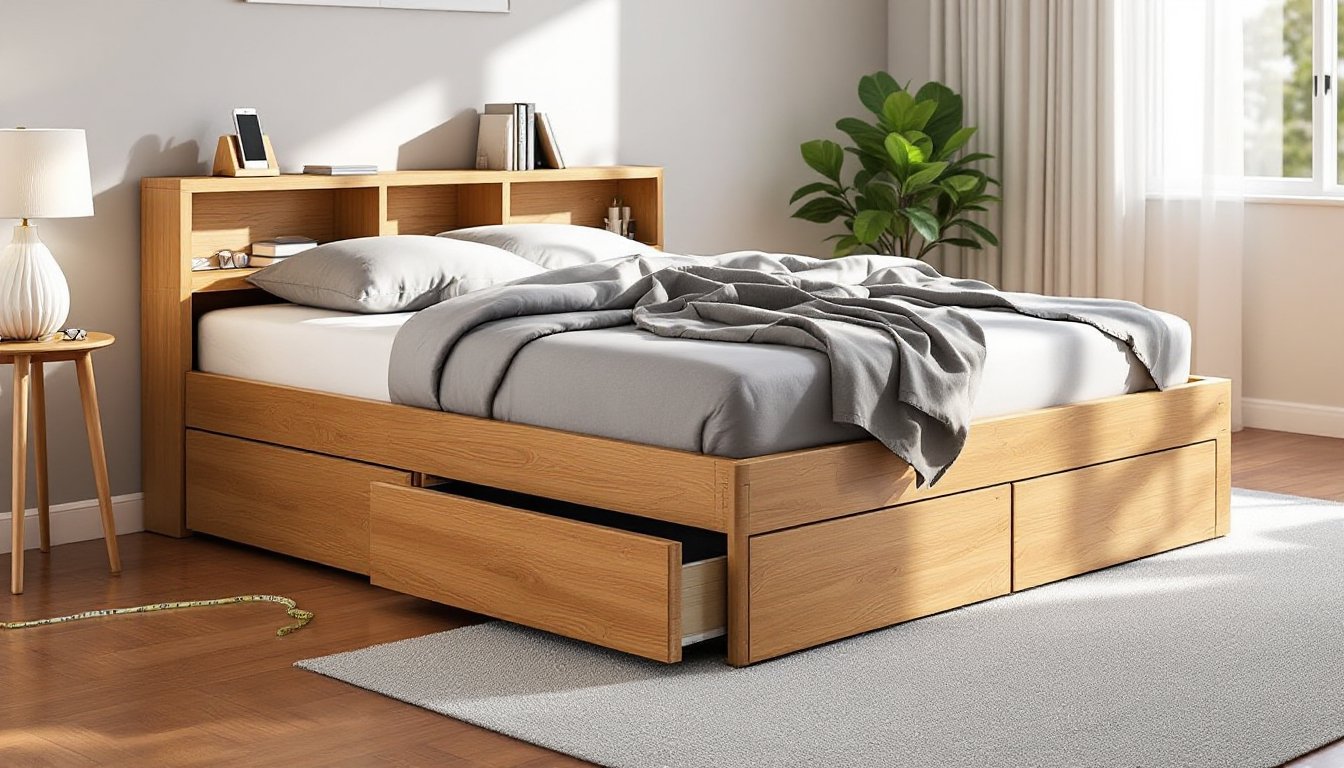
A twin XL bed frame with storage solves the universal bedroom problem: you need a place to sleep and a place to put everything else. Unlike a standard twin, the XL adds 5 extra inches of length, giving taller sleepers more legroom without sacrificing floor space. When storage is built into the frame itself, drawers, shelves, or cubbies, you’re not just buying a bed: you’re reclaiming valuable real estate in cramped dorms, guest rooms, and kids’ bedrooms. This guide walks through what makes a twin XL frame with storage practical, which storage styles work best, and what to inspect before you buy or build one yourself.
Table of Contents
ToggleKey Takeaways
- A twin XL bed frame with storage solves two problems at once by combining a sleeping surface with built-in drawers, shelves, or cubbies, eliminating the need for extra furniture in small bedrooms and dorms.
- Twin XL dimensions (38 × 80 inches) offer 5 extra inches of length compared to standard twins, providing more legroom for taller sleepers while maintaining a compact footprint.
- Storage options vary by style: under-bed drawers hold 20–40 cubic feet for off-season items, while headboard shelves work better for daily-use items like lamps and books that need frequent access.
- Inspect weight capacity (300–600 pounds), slat spacing (2 inches or closer for memory foam), material durability, and drawer hardware quality before purchasing to ensure long-term performance.
- Solid wood frames offer beauty and longevity but require more maintenance, while metal and MDF options provide affordability and lighter weight at the cost of durability over 3–7 years.
- Proper installation—leveling the floor, assembling on-site first, and checking mattress fit—prevents drawer jams, frame sagging, and long-term damage that shortens the life of your twin XL bed frame with storage.
Why Choose a Twin XL Bed Frame With Storage
A twin XL bed frame with storage tackles two problems at once: sleeping and storing. In small bedrooms, guest rooms, or dorms, floor space is precious. Built-in storage eliminates the need for an extra dresser, cabinet, or shelving unit, which means more breathing room and less clutter in sight lines.
The frame itself is also honest about what it holds. Under-bed drawers can store seasonal clothing, extra linens, or shoes without making you bend down to rummage through loose piles. Shelves or cubbies built into the headboard or footboard keep books, alarm clocks, and personal items within arm’s reach. For kids’ rooms especially, this arrangement teaches organization without requiring floor space for separate storage furniture.
A twin XL dimension (38 inches wide × 80 inches long) is also a Goldilocks size: it’s wider than a standard twin (38 × 75), giving a bit more shoulder room, but it doesn’t demand the floor footprint of a full or queen bed. That extra 5 inches of length matters for teenagers and adults who are tall or just like stretching out. The combination of reasonable size and integrated storage makes a twin XL frame an efficient choice for renters, downsizers, and anyone optimizing a tight layout.
Types of Storage Options Available
Storage-integrated bed frames come in three main flavors, each with different trade-offs for access, capacity, and ease of installation.
Under-Bed Drawers and Sliding Storage
Under-bed drawers are the most common storage option for twin XL frames. Typically, the frame sits 12–18 inches off the ground, creating a cavity where rolling drawers or flat storage boxes slide in and out. Some frames include two full-width drawers: others have four smaller drawers or modular bins. Rolling drawers with ball-bearing slides (which cost a bit more) glide smoothly even when packed: cheaper options may stick on carpet or uneven floors.
Sliding storage works best for off-season items, winter coats, holiday decorations, extra pillows, because access is less frequent. If you need to grab socks or underwear every morning, reaching down repeatedly gets old. The real advantage is capacity: under a twin XL, you can hide 20–40 cubic feet of stuff depending on bed height and drawer design. One caveat: under-bed storage collects dust, so choose drawers with fitted lids or fabric covers, not open shelves, unless you’re okay vacuuming monthly.
Built-In Shelving and Cubbies
Some twin XL frames incorporate shelves into the headboard or footboard, creating cubbies or open storage. These shine for items you access daily, a lamp, phone charger, book, eyeglasses, because everything is visible and within reach. Headboard shelves don’t eat floor space and often cost less to produce than frames with multiple drawers.
The downside is dust and visual clutter. Open shelves collect dust faster than drawers, so expect to wipe things down weekly if the bedroom isn’t super clean. Also, if you’re storing clothes or personal items you’d rather not display, open cubbies aren’t discreet. Built-in shelving works brilliantly in minimalist bedrooms where bedside items are few and intentional, or in kids’ rooms where the goal is keeping frequently used stuff accessible and teaching organizational habits.
For maximum function, some frames combine both: drawers underneath for bulk storage, shelves or cubbies on the headboard for daily-use items. This hybrid approach offers the best of both if the frame design supports it and your budget allows.
Key Features to Look For When Selecting a Frame
Before committing to a twin XL frame with storage, check these specifics.
Clearance and Room Dimensions: Measure your bedroom width, length, and door opening. A twin XL is 38 inches wide, but with nightstands or against walls, make sure you have walking space. If you’re building or moving into a dorm, verify the mattress orientation doesn’t block the door or window when it’s in place.
Weight Capacity and Slat Support: Most solid frames rate between 300 and 600 pounds distributed weight. Confirm the manufacturer’s spec sheet, especially if you’re tall or the frame will accommodate two sleepers occasionally. Slats (the horizontal supports running across the frame) should be no more than 2.75 inches apart: closer spacing prevents mattress sagging. If you’re using a memory foam or hybrid mattress, which are heavier than innerspring, aim for solid decking or slats 2 inches apart or closer.
Material and Durability: Wood frames (pine, oak, or plywood) are cheaper but prone to squeaking and warping if exposed to humidity or moisture. Metal frames (steel or aluminum) are quieter, more stable, and better for humid climates, though cheaper metal can feel flimsy. Medium-density fiberboard (MDF) is budget-friendly but won’t handle weight as well as solid wood or metal. Check reviews from owners in your climate.
Drawer Glides and Hardware: If the frame includes drawers, inspect the slides. Ball-bearing glides cost more but last longer and handle carpet well. Budget glides may jam on carpet, especially when loaded. Take a photo of the hardware type before you buy: replacement slides are cheap if you know the size.
Assembly and Tools Required: Some frames arrive partially assembled: others are flat-packed. Read the assembly instructions before buying. Most require a power drill or screwdriver, a level, and a wrench for bolts. If you’re in a dorm or small apartment without tools, factor in help or delivery assembly fees.
Popular Materials and Construction Styles
Twin XL frames with storage vary widely in material and aesthetic, so picking one that suits your space and skill level matters.
Solid Wood Frames: Hardwoods like oak or maple are beautiful and sturdy but heavy and pricey ($500–$1,500+). Softwood frames (pine) are lighter and cheaper ($200–$600) but may squeak and need bracing to stay rigid. Real wood accepts stain and finish changes if you want to update the look later. The trade-off is maintenance: wood near windows or in damp climates can swell or warp, and drawers may stick in humidity.
Metal Frames: Steel or aluminum frames are sturdy, quiet, and weigh less than wood. They’re also more stable on uneven floors, useful in old houses or dorms. Prices run $150–$500 depending on gauge (thickness) and finish. Metal frames rarely warp or squeak, but they can feel cold to the touch in winter and show fingerprints if brushed steel.
Hybrid and MDF Frames: Many affordable frames ($100–$400) use MDF or plywood box construction with metal hardware. They’re lightweight, often come with drawers and shelves, and assembly is quick. The weakness is that MDF compresses under pressure over time, especially near drawer edges or under weight concentration. These frames typically last 3–7 years before sagging noticeably.
DIY and Plan-Based Options: If you’re handy, custom-building a frame is realistic. Platforms like Ana White offer free twin XL storage bed plans with materials lists and step-by-step instructions. Instructables hosts community projects with photos and tool tips. Building from plans costs $150–$400 in materials and requires basic tools: a circular saw (or a store’s cutting service), drill, and a level. Homemade frames let you customize drawer depth, shelf placement, and wood species to suit your space exactly. The downside is time: expect 8–16 hours of building plus staining and finishing if you go that route. The Handyman’s Daughter walks beginners through furniture building with patience and practical troubleshooting, a useful reference if you’re uncertain about your skill level.
Installation and Maintenance Tips
Installing a twin XL frame with storage isn’t difficult, but skipping prep steps causes headaches later.
Prepare the Space: Before assembly, vacuum and level the floor. A frame sitting on carpet can shift and rack (twist out of square) over months, popping drawer fronts or making slats sag. If the floor slopes, use shims (thin wedges) under the frame feet until a level shows it’s true. Measure diagonals (corner to corner) on the frame top: both measurements should match within ¼ inch, confirming the frame is square.
Assemble on the Floor First: Lay out all parts and hardware before bolting anything. This spot-checks for missing pieces and prevents you from installing legs backward or upside-down, yes, it happens. Follow the manual step-by-step: don’t skip steps thinking you’ll fix it later. Tighten bolts snug but not strap-tight: over-tightening strips threads or cracks wood.
Check Mattress Fit: Slide the mattress on once the frame is level. It should sit evenly, not tilted toward any corner. If the mattress dips in the middle, slats may be too far apart or the frame is bowed. For memory foam mattresses, place a thin plywood sheet under them if slats are spaced more than 2 inches apart: foam sags into large gaps and feels unstable.
Drawer and Slide Maintenance: Periodically wipe drawer slides with a dry cloth to remove dust and hair. If drawers stick, a tiny bit of silicone spray on the slides helps (don’t oversaturate). On carpet, check that drawer wheels aren’t sinking into the nap: the frame height or wheel type may need adjusting.
Long-Term Care: Check bolt tightness every 6 months, especially on frames that see heavy or frequent use. Wooden frames benefit from a light sand and re-stain every few years if exposed to sun. If drawers warp or stick after a few seasons, it’s usually due to humidity: moving a dehumidifier nearby helps. Plan to replace drawer glides after 5+ years if they’ve seen heavy use: replacements are inexpensive and extend the frame’s life.