
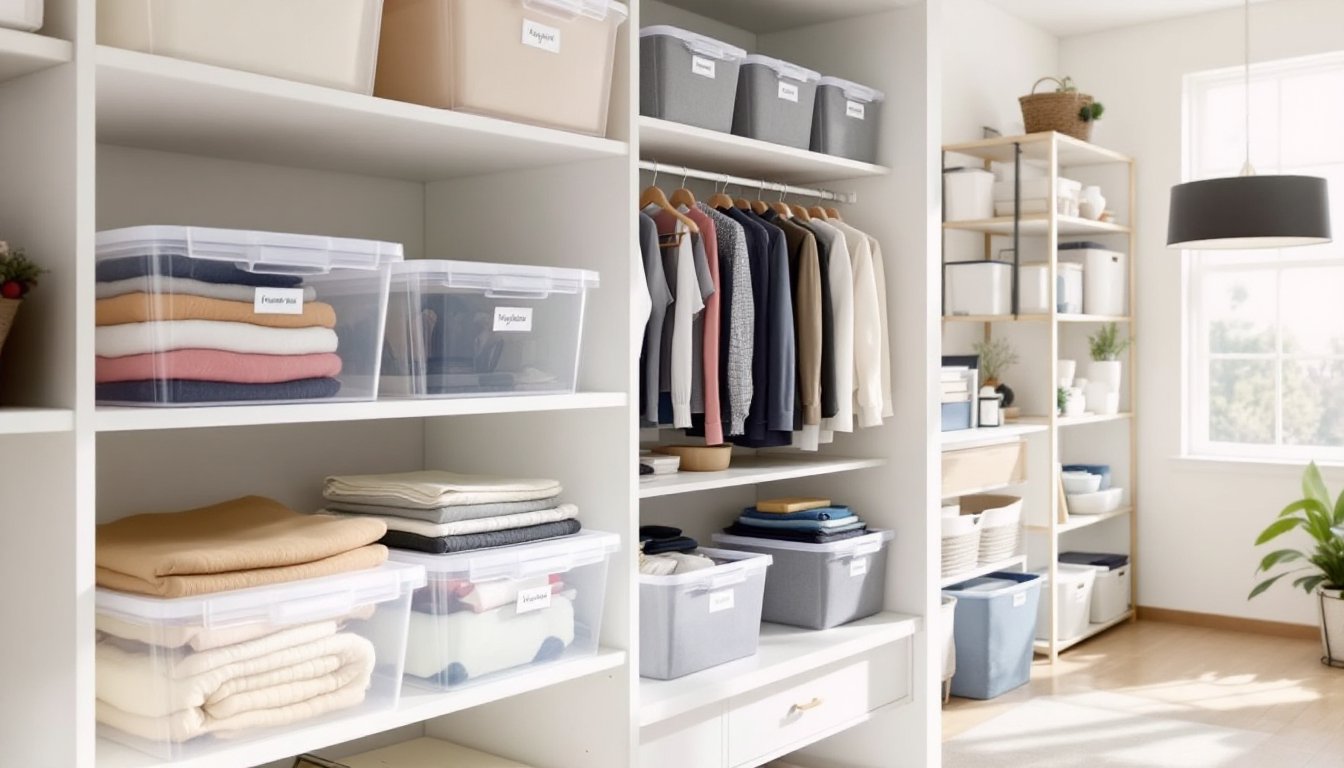
Whether you’re drowning in closet clutter, trying to corral garage chaos, or just need a better system for seasonal items, Walmart storage bins deliver practical, affordable solutions without the designer price tag. The range of walmart plastic storage bins and fabric options available today makes it easier than ever to reclaim your space and keep it organized. This guide walks you through finding the right bins for your needs, the materials that actually hold up, and real ways to use them throughout your home, plus budget-friendly strategies to maximize your investment.
Table of Contents
ToggleKey Takeaways
- Walmart storage bins offer durable, stackable, and affordable solutions for home organization without the designer price tag, with clear visibility and lockable lids that actually perform.
- Choose plastic bins for moisture-prone areas like basements and garages, or fabric bins for visible spaces in bedrooms and living rooms, depending on your environment and aesthetic needs.
- Select the right bin size by measuring your storage space first—30-50 quart bins work best for seasonal clothing, while 70+ quart models maximize under-bed and high-shelf storage.
- Label everything with a label maker to keep family members accountable and prevent the frustrating need to open every container to find items.
- Shop Walmart storage bins during seasonal sales in July-August and October-November when prices drop from $12 to $7-8, and start with 3-4 bins in your highest-stress area before scaling up.
- Mainstays and Great Value brand Walmart storage bins consistently outlast cheaper alternatives, making mid-range options a smarter investment than rock-bottom pricing.
Why Walmart Storage Bins Are a Game-Changer for Home Organization
Walmart storage bins work because they’re straightforward: durable, stackable, and priced so you don’t need a second mortgage just to organize a bedroom. Unlike boutique container brands that charge premium prices for labels and Instagram aesthetics, Walmart’s selection prioritizes function. You get clear visibility of contents (especially valuable when items are stacked), lockable lids to keep dust and pests out, and handles designed to actually grip.
The real advantage is availability. Walk into any Walmart and you’ll find options on the shelf, no waiting for delivery, no minimum order quantities. Storage bins walmart carries range from small tackle-box organizers under $10 to large under-bed models that hold a season’s worth of clothes. That means you can start small, test what works in your space, and scale up without overthinking the entire system.
Cost-effectiveness matters too, especially if you’re organizing multiple rooms. Buying 10 matching bins at $8 each beats spending $25 per container elsewhere. And because they’re affordable, you can actually retire bins that get damaged instead of enduring cracked corners and broken handles just to “make do.”
Top Storage Bin Styles and Materials at Walmart
Plastic Bins for Affordable, Durable Storage
Plastic storage containers dominate Walmart’s inventory, and for good reason. Heavy-duty plastic bins handle moisture, temperature swings, and rough handling, ideal for basements, garages, and attics. Most walmart plastic storage bins feature polypropylene construction, which resists cracks better than cheaper polyethylene. Look for bins with reinforced corners and snap or latch-lock lids: these prevent lid warping when stacked and keep contents secure.
Clear bins are the MVP here. You see what’s inside without opening every container, saving time and frustration. Translucent sides with opaque lids offer a middle ground, they look neater on a shelf while still letting you spot contents from above. Pro tip: if you’re storing in an unfinished basement, opt for bins with air vents: they prevent moisture buildup without sacrificing the seal against dust.
Size variety is substantial. Small 16–20 quart bins work for shoes, holiday ornaments, and toys. Medium 30–50 quart bins handle seasonal clothing or craft supplies. Large 70–100 quart under-bed models maximize vertical space in closets. Stack-friendly designs with recessed or interlocking lids mean you can pile them safely without crushing what’s underneath.
Fabric and Woven Options for Stylish Spaces
If plastic feels too utilitarian for visible spaces, Walmart carries fabric-sided bins in neutral grays, whites, and earth tones that work in bedrooms, living rooms, and home offices. These combine affordability with cleaner aesthetics, no plastic gleam competing with your décor. Materials range from felt-blend to canvas, all reinforced with cardboard or plastic frames that hold their shape.
Fabric bins breathe better than plastic, making them ideal for closets where musty odors are a concern. They’re also lightweight, so pulling items from a high shelf doesn’t require a wrestling match. Downside: they’re not moisture-proof, so skip fabric for damp environments like basements or under sinks. And if you have pets or kids prone to spills, plastic trumps fabric every time.
Many fabric models collapse when empty, which is honestly convenient if you need to store the bins themselves off-season. Others maintain their shape, which looks more polished but takes up more space.
How to Choose the Right Size and Capacity
Picking the correct bin size saves money and prevents the “too many small bins” trap that eats up shelf space. Start by measuring your storage area: closet shelves, under-bed clearance, cabinet interiors, garage wall studs. A deep closet might accommodate 16″ × 12″ × 12″ bins, while under-bed space demands flatter 10″ × 18″ × 6″ models. Measure twice, buy once.
Capacity matters more than you’d think. A 30-quart bin holds roughly one season’s worth of off-weather clothes, sweaters or t-shirts, not both. A 50-quart bin is your sweet spot for mixed seasonal items: bedding, winter coats, light blankets. If you’re storing bulky items like sleeping bags or pillows, jump to 70+ quart: you’ll save shelf space and handling trips.
Consider weight, too. Children and older adults shouldn’t need to grunt lifting a bin off a high shelf. Heavier items like books or tools go in smaller, more manageable containers placed at waist height. Lighter items, linens, stuffed animals, off-season décor, can go in larger bins up high.
One often-overlooked detail: stackability. Check that your chosen bin model actually interlock with its own lids or has feet that prevent the stack from sliding. Walmart’s stackable lines are labeled as such: non-stackable bins look sensible until you realize you can’t safely pile them without fear of collapse.
Practical Organization Ideas for Every Room
Bedrooms and Closets: Use clear 50-quart bins for off-season clothing on high shelves. Label each bin by season and clothing type (“Winter Coats” or “Summer Dresses”). Under-bed storage bins slide easily and keep dust off stored items: this is ideal for out-of-season comforters or extra pillows. Small 20-quart bins on shelves above clothes rods corral belts, scarves, and accessories.
Basements and Attics: Heavy-duty plastic bins with secure latches prevent moisture and pest entry. Stack strategically to avoid a floor maze, group like items and leave a center aisle for access. Holiday décor, seasonal sports equipment, and archived paperwork all benefit from clear labeling on bin sides and tops so you find what you need without pulling every container.
Garages: Pegboard-mounted small bins work for hardware, small tools, and fasteners: saves cabinet space and keeps items visible. Medium to large bins store paint, stain, rags, and lawn care chemicals, keep these away from living areas and at eye level or lower for safety. Tool-specific organizers work, but Walmart’s plain bins often handle the job at half the cost.
Kitchens and Pantries: Smaller fabric or plastic bins corral snack overflow, baking supplies, or rarely-used appliances. Transparent bins let you see when supplies are running low. Lazy Susan–style turntables under sinks pair well with smaller bins for cleaning supplies, rotates for easy access.
Playrooms and Kids’ Spaces: Durable plastic bins handle toys without worry. Younger kids benefit from larger bins with fewer small pieces to sort: older kids can manage labeled smaller bins for action figures, Lego, or art supplies. Rotating bins seasonally keeps clutter manageable.
Research from Apartment Therapy shows small-space dwellers see real benefits from unified bin systems, same color, same material, consistent sizing reduces visual chaos and makes finding items faster.
Budget-Friendly Tips for Maximizing Walmart Storage Solutions
Start small and expand gradually. Buy 3–4 bins for your highest-stress area first, usually a bedroom closet or garage corner, and test the system for a month. If it works, replicate the model elsewhere. This prevents the expensive mistake of buying 20 bins that don’t suit your actual workflow.
Shop seasonal sales. Walmart’s storage bins go on rollback during back-to-school season (July–August) and before holidays (October–November). Stock up when prices dip: a 30-quart bin drops from $12 to $7–8 during promotional windows. Subscribe to Walmart’s app notifications for clearance alerts.
Label everything. Spend $10 on a label maker and a roll of labels. Unlabeled bins force you to open each one, defeating organization entirely. Labels also help family members return items to the correct bin, kids are 10x more likely to put toys away if they know exactly where they go.
Max out vertical space. Floor storage wastes square footage. Wall-mounted shelving with stacked bins uses cubic inches most people ignore. Closet shelf dividers prevent bin stacks from toppling: a $6 divider prevents $100 in damaged belongings.
Use drawer dividers and bin inserts for tiny items. Small dividers create compartments inside bins, preventing the “junk drawer” effect where small items scatter. These cost $2–5 and multiply your organizational options without buying new bins.
Lists from Real Simple’s storage bin review confirm that durability over time beats rock-bottom pricing. Walmart’s mid-range lines (Mainstays and Great Value brands) consistently outlast cheaper alternatives, so avoid the temptation to buy the absolute cheapest option.
Don’t buy more bins than you have items. Over-binning creates waste and eats budget. Audit your actual stuff before purchasing, honestly discard broken, duplicate, or unused items. This cuts required bin count and leaves your wallet fatter.